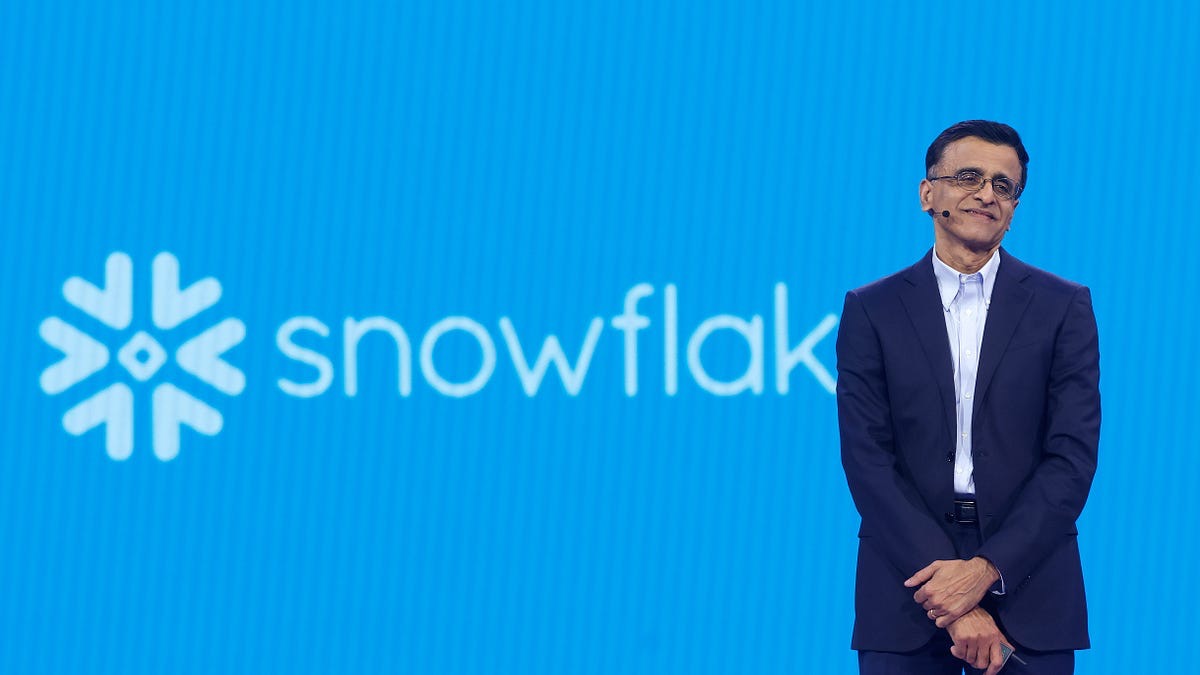
Cloud data platform leader Snowflake has announced a series of targeted layoffs, primarily affecting its technical writing and documentation teams, as part of a broader strategic shift toward artificial intelligence and operational efficiency. The move underscores a growing trend across the technology sector, where companies are restructuring their workforce to align with the increasing role of AI in business operations.
The layoffs, described internally as a “realignment,” are focused rather than widespread, signaling a deliberate effort to reshape specific functions within the organization. While the company has not disclosed the exact number of employees impacted, sources indicate that roles tied to documentation, content creation, and technical communication have been most affected. These areas, traditionally reliant on human expertise, are now being re-evaluated in light of advancements in generative AI and automation tools.
At the helm of this transformation is CEO Sridhar Ramaswamy, who has been steering Snowflake toward a more AI-centric future. Since taking over leadership, Ramaswamy has emphasized the importance of integrating artificial intelligence into the company’s core offerings while simultaneously improving internal efficiency. His strategy reflects a broader industry belief that AI will not only enhance products but also redefine how companies operate.
Snowflake’s decision comes at a time when AI technologies are rapidly evolving, enabling businesses to automate tasks that were once considered too complex for machines. Technical documentation, user manuals, and developer guides—key components of software ecosystems—are increasingly being generated and maintained by AI systems capable of producing high-quality content at scale. This shift is reducing the need for large, dedicated teams in certain areas while opening new opportunities in AI development and data science.

The company’s restructuring mirrors similar actions taken by other major players in the tech industry. Firms like Blockand Atlassian have also implemented targeted layoffs in recent months, particularly in roles where automation can deliver significant efficiencies. These moves collectively point to a broader transformation in workforce dynamics, as organizations prioritize agility and cost-effectiveness in an increasingly competitive environment.
For Snowflake, the shift is closely tied to its long-term growth strategy. The company has been investing heavily in AI-powered data solutions, aiming to help enterprises unlock deeper insights and drive smarter decision-making. By reallocating resources toward these high-impact areas, Snowflake is positioning itself to capitalize on the growing demand for intelligent data platforms.
However, the layoffs also highlight the challenges and trade-offs associated with technological progress. Technical writers and documentation specialists have long played a critical role in making complex software accessible to users. Their work ensures clarity, usability, and effective communication between developers and customers. As AI begins to take on these responsibilities, questions arise about the quality, accuracy, and contextual understanding of machine-generated content.
Industry experts suggest that while AI can handle routine documentation tasks, human oversight will remain essential for nuanced and highly specialized content. This evolving dynamic may lead to a redefinition of roles rather than their complete elimination, with professionals expected to collaborate with AI tools rather than compete against them.
For employees affected by the layoffs, the transition may be challenging, but it also reflects a broader shift in the job market. Skills related to AI, data analysis, and digital strategy are becoming increasingly valuable, prompting many professionals to upskill and adapt to new demands. The situation serves as a reminder of the need for continuous learning in an era of rapid technological change.

Snowflake has indicated that the cost savings from these targeted reductions will be reinvested into innovation, particularly in areas related to artificial intelligence and machine learning. This approach aligns with a wider industry pattern, where companies are channeling resources into technologies that promise long-term growth and competitive advantage.
The broader implications of Snowflake’s move extend beyond its own operations. It reflects a fundamental shift in how technology companies are structured, with efficiency and scalability taking center stage. AI is not only transforming products and services but also reshaping organizational models, influencing everything from hiring practices to team composition.
As the tech industry continues to evolve, the balance between human expertise and machine capabilities will remain a key consideration. Companies that can effectively integrate AI while preserving the value of human insight are likely to navigate this transition more successfully.
Snowflake’s targeted layoffs, while limited in scope, offer a glimpse into the future of work in the technology sector. They illustrate how AI is driving change not just in what companies build, but in how they operate. As businesses increasingly embrace automation, the workforce will continue to adapt, reflecting the ongoing transformation of the digital economy.
In this context, Snowflake’s strategic realignment is less about reduction and more about repositioning—an effort to stay ahead in a landscape where innovation and efficiency are inseparable.