Samsung Electronics employees in the company’s semiconductor division are set to receive an average bonus of nearly $340,000 after soaring artificial intelligence-driven profits pushed the technology giant to one of its strongest financial performances in recent years. The unprecedented payout follows a last-minute labor agreement between Samsung and its union, which successfully prevented an 18-day strike that could have disrupted global chip supplies at a critical moment for the industry.
The agreement unlocks a bonus pool estimated at $26.6 billion, underscoring the immense financial gains semiconductor companies are experiencing as demand for AI hardware continues to surge worldwide. Samsung’s semiconductor business, long considered one of the company’s core profit engines, has benefited heavily from the rapid expansion of AI technologies, cloud computing infrastructure, and advanced data centers.

The payouts are among the largest employee bonus distributions in South Korean corporate history and reflect the growing importance of chipmakers in the global economy. Employees working in memory chip manufacturing, research, engineering, and AI-related semiconductor development are expected to receive substantial rewards tied to the company’s recent earnings performance.
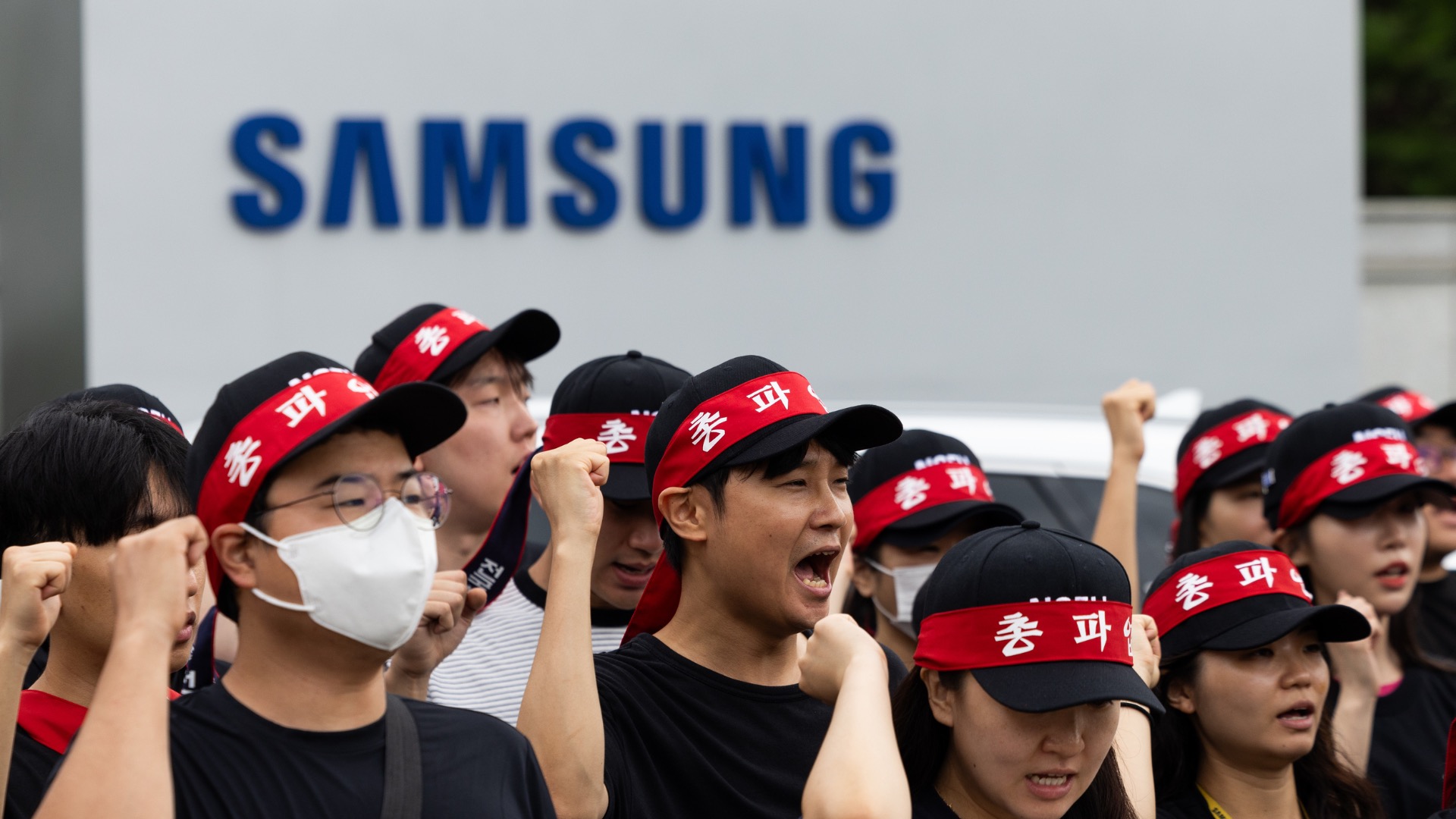
Samsung’s negotiations with its labor union became increasingly tense in recent weeks as workers demanded higher wages, improved working conditions, and a larger share of the profits generated by the semiconductor division. The National Samsung Electronics Union had warned that workers were prepared to begin an 18-day strike if an agreement was not reached.
The possibility of a strike raised concerns throughout the global technology sector, as Samsung remains one of the world’s largest producers of memory chips used in smartphones, AI servers, graphics processors, and advanced computing systems. Any disruption to production could have affected technology companies worldwide, many of which are already competing for limited supplies of advanced chips needed to power generative AI systems.
After intensive negotiations, Samsung management and union representatives reached a settlement that included wage increases, expanded benefits, and the massive performance-based bonuses tied to the company’s recent profitability. Union officials described the deal as a significant achievement for workers and a recognition of their role in helping Samsung capitalize on the AI-driven semiconductor boom.
The extraordinary bonuses highlight how artificial intelligence has transformed the semiconductor industry over the past two years. The explosive growth of generative AI platforms, including large language models and advanced AI assistants, has triggered a global race among technology companies to build powerful computing infrastructure capable of supporting AI workloads.
That race has dramatically increased demand for high-performance memory chips such as high-bandwidth memory (HBM) and advanced DRAM products, areas where Samsung has invested heavily. AI data centers require enormous amounts of memory and processing power, making semiconductor manufacturers central to the global AI ecosystem.
Samsung’s semiconductor business had previously faced challenges during a downturn in the memory chip market, when weak consumer electronics sales and falling prices hurt profitability. However, the rise of AI applications rapidly reversed those conditions. Memory chip prices rebounded sharply as demand from cloud providers, AI developers, and major technology firms accelerated faster than expected.
Industry analysts say Samsung’s strong earnings reflect a broader transformation occurring throughout the semiconductor sector. Companies producing advanced chips are now among the largest beneficiaries of the AI revolution, with profits rising significantly as governments and corporations increase investments in artificial intelligence infrastructure.
Samsung has also intensified competition with rivals such as SK hynix and Micron Technology, both of which are also racing to dominate the rapidly expanding AI memory market. The battle for leadership in high-performance AI chips has pushed companies to invest billions of dollars into manufacturing facilities, research, and next-generation semiconductor technologies.
The labor agreement is being viewed as an important moment in Samsung’s corporate history. For decades, the company maintained a reputation for tightly controlling labor relations and resisting union influence. However, organized labor has become increasingly powerful within South Korea’s technology sector, particularly as workers seek a greater share of rising corporate profits.
Experts say the size of the bonus payouts could influence future wage negotiations across the industry. Semiconductor engineers, AI specialists, and chip researchers are becoming some of the most sought-after professionals in the global workforce, and companies are under growing pressure to offer competitive compensation packages to attract and retain talent.
Investors responded positively to news that Samsung had avoided a strike, seeing the agreement as critical for maintaining stable chip production during a period of exceptional global demand. Market analysts noted that uninterrupted manufacturing is essential as AI-related orders continue to increase worldwide.

The broader economic implications of the agreement are also significant for South Korea, where semiconductor exports play a major role in national growth. Samsung’s success has strengthened confidence in the country’s position as one of the world’s leading technology and semiconductor hubs.
As artificial intelligence continues reshaping industries worldwide, semiconductor manufacturers are expected to remain at the center of technological and economic expansion. Samsung’s record bonus payouts illustrate not only the extraordinary profits being generated by the AI boom, but also the growing recognition that the workers behind advanced chip production are essential to powering the next era of global innovation.
With AI demand still rising and competition intensifying across the semiconductor market, Samsung’s agreement may become a model for how technology companies balance massive profits, labor expectations, and the pressures of an increasingly AI-driven global economy.