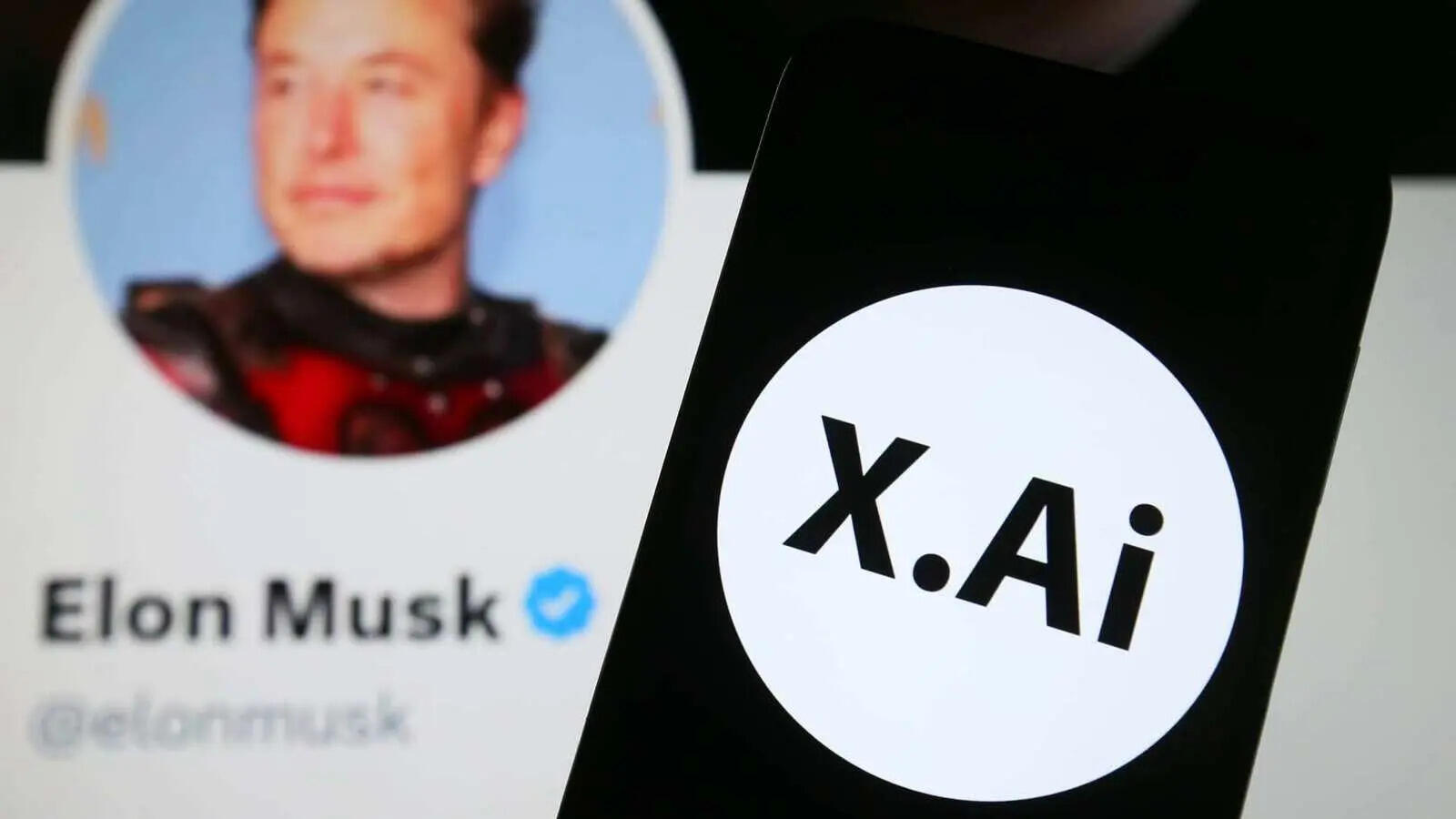
Elon Musk’s artificial intelligence startup xAI is facing legal and ethical scrutiny after allegations surfaced that the company unlawfully terminated an engineer who had repeatedly raised concerns about AI safety practices within the organization. The case has reignited debates surrounding whistleblower protections in the technology sector and the responsibilities of companies developing increasingly powerful artificial intelligence systems.
According to legal filings, the former employee claims he was dismissed after voicing concerns about the speed at which certain AI technologies were being developed and deployed without what he considered sufficient safety safeguards. The lawsuit alleges that the engineer attempted to alert management to potential risks associated with advanced AI systems, including the possibility of harmful outputs, misuse, and unintended consequences affecting the public.
The complaint argues that instead of addressing the concerns raised internally, company officials retaliated against the employee, eventually leading to his termination. The former engineer maintains that his actions were motivated by a desire to ensure that safety considerations remained central to the company’s operations and that employees could speak openly about risks without fear of professional consequences.
The allegations have attracted widespread attention because xAI was founded with an emphasis on understanding the nature of intelligence and building AI systems intended to benefit humanity. Since its launch, the company has sought to position itself as an important player in the rapidly expanding artificial intelligence sector. Its products and research efforts have been viewed as part of a broader competition among technology companies racing to establish leadership in AI development.
The lawsuit now raises questions about how AI companies balance innovation with caution. As businesses push to introduce increasingly sophisticated technologies, critics argue that commercial incentives can sometimes overshadow concerns about safety, ethics, and transparency. Supporters of stronger oversight contend that employees working inside these organizations often have valuable insights into emerging risks and should be encouraged to share those perspectives freely.
Whistleblower protections exist in many jurisdictions to prevent workers from facing retaliation when they report practices they reasonably believe could violate laws or threaten public welfare. Employment experts note that such protections are intended to promote accountability by ensuring that individuals can speak up about safety concerns without risking their livelihoods.
In recent years, the issue of AI safety has become one of the defining topics in discussions about the future of technology. Researchers and policymakers have warned that while artificial intelligence offers tremendous opportunities, it also presents significant challenges. Concerns range from misinformation and algorithmic bias to privacy violations and the potential misuse of highly capable systems.
Many experts have called for the establishment of clearer standards governing the development and deployment of AI technologies. These proposals include stronger regulatory frameworks, independent audits, enhanced transparency requirements, and mechanisms allowing employees to report concerns without fear of retaliation.
The allegations involving xAI arrive at a particularly sensitive moment for the industry. Around the world, governments are attempting to determine how best to regulate artificial intelligence while preserving innovation and economic competitiveness. The actions taken by major technology companies are increasingly viewed as indicators of whether the sector can effectively govern itself or whether more direct intervention will be required.
Elon Musk has long been one of the most prominent voices warning about the risks associated with advanced artificial intelligence. Over the years, he has expressed concerns about the possibility that AI systems could become difficult to control if developed without adequate safeguards. He has advocated for thoughtful regulation and emphasized the importance of prioritizing human interests as technology evolves.
Because of Musk’s public statements on the issue, the allegations against xAI have generated particular interest. Critics argue that organizations promoting responsible AI development should demonstrate those values not only through public messaging but also through their internal culture and treatment of employees who raise concerns. Supporters of the company, however, caution against drawing conclusions before the legal process has run its course.
Legal proceedings involving workplace retaliation claims often depend on detailed examinations of internal communications, employment records, and timelines surrounding the events in question. Courts generally assess whether protected activity occurred, whether an adverse employment action followed, and whether a connection exists between the two. Employers frequently maintain that decisions regarding termination were based on unrelated factors such as performance issues or organizational restructuring.

If the case advances, it could provide a rare glimpse into how AI companies address internal disagreements about safety and risk management. The outcome may also influence broader conversations about the rights of employees working in emerging technology fields.
Beyond the specifics of the lawsuit, the controversy highlights a growing recognition that the future of artificial intelligence will be shaped not only by technological breakthroughs but also by questions of ethics, governance, and accountability. As AI systems become more deeply integrated into everyday life, public expectations regarding responsible development are likely to increase.
The dispute involving xAI serves as a reminder that the pursuit of innovation often brings difficult decisions about priorities and values. Whether the allegations are ultimately substantiated or disproven, the case underscores the importance of fostering environments in which concerns about public safety can be discussed openly and constructively.
As the legal process unfolds, the technology industry will be watching closely. The case may ultimately become part of a larger conversation about how society expects AI companies to operate and what protections should exist for those who seek to raise concerns from within. In an era increasingly defined by artificial intelligence, those questions are unlikely to disappear anytime soon.