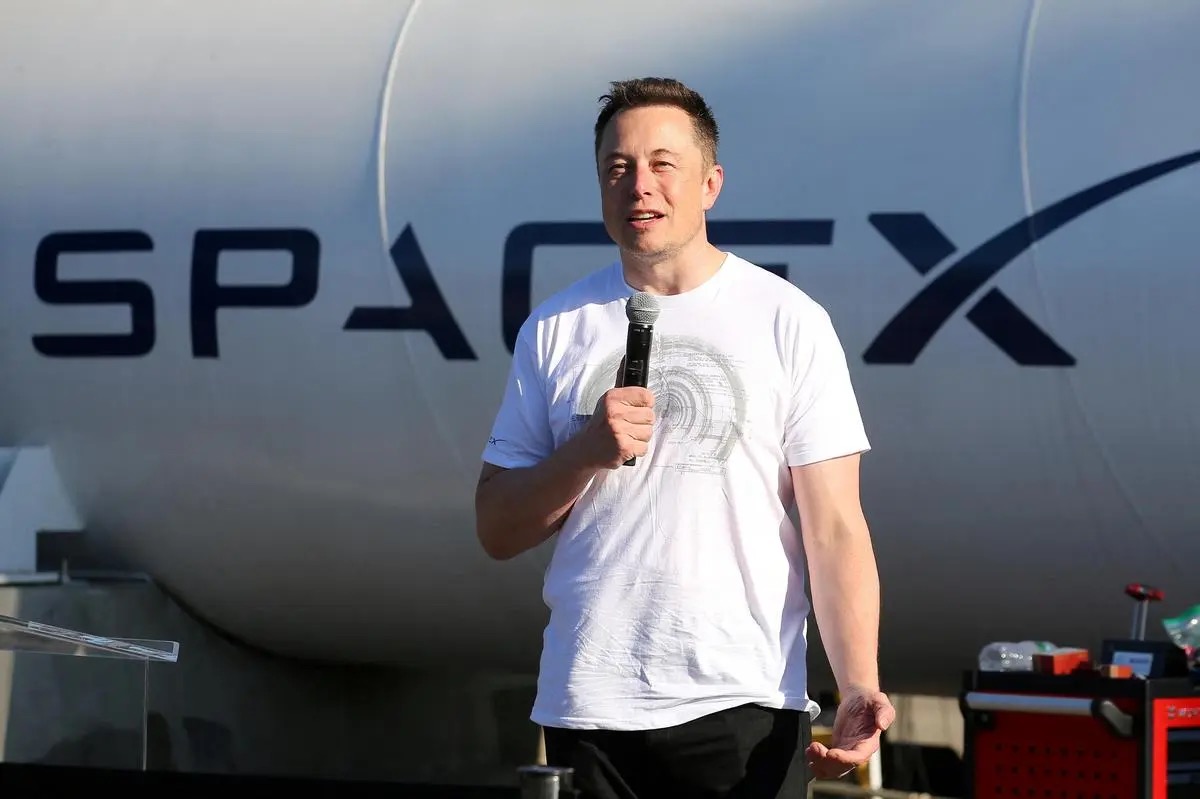
Elon Musk’s SpaceX could be on the brink of one of the largest employee wealth creation events in modern corporate history. Reports suggest that the aerospace company, if it proceeds with an initial public offering (IPO) at an estimated share price of USD 135, could turn more than 4,400 current and former employees into millionaires. Additionally, nearly 400 employees could see their holdings exceed USD 100 million, marking a significant milestone in the company’s journey from ambitious startup to global powerhouse.
The potential public listing has generated considerable excitement across the financial and technology sectors. While SpaceX has long been recognised for revolutionising space travel and satellite communications, an IPO would provide a new dimension to its success story by rewarding thousands of employees who contributed to building the company over the past two decades.
Founded by Elon Musk in 2002, SpaceX began with an ambitious mission: to reduce the cost of space transportation and ultimately make human life multi-planetary. At the time, the company faced skepticism from industry experts and financial observers who questioned whether a private company could compete in an industry traditionally dominated by governments and established aerospace giants.
Over the years, however, SpaceX proved its critics wrong. The company developed reusable rocket technology that significantly lowered launch costs, transforming the economics of space missions. Its Falcon 9 rocket became one of the most frequently launched vehicles in the world, while the Dragon spacecraft enabled cargo and crew missions to the International Space Station. The company also secured major contracts with NASA and commercial clients, strengthening its position within the global aerospace sector.
One of SpaceX’s most ambitious ventures has been Starlink, its satellite internet service designed to provide high-speed connectivity to underserved regions worldwide. The rapid expansion of Starlink has diversified the company’s revenue streams and enhanced investor confidence in its long-term growth potential.
As the company expanded, employee stock ownership became a critical component of its compensation structure. Like many high-growth technology firms, SpaceX offered equity incentives to attract and retain skilled professionals. Engineers, software developers, technicians, and operational staff often accepted stock-based compensation with the expectation that the company’s future success would eventually translate into financial rewards.
Until now, however, SpaceX employees have had limited opportunities to realise the full value of their equity holdings. Because the company has remained privately held, stock liquidity has largely been restricted to internal share sales and secondary transactions. An IPO would dramatically alter this situation by enabling employees to sell shares through public markets, subject to regulatory requirements and lock-up periods.
Financial analysts believe that a listing at the projected valuation could create a substantial number of newly wealthy individuals. More than 4,400 employees may cross the million-dollar threshold, while hundreds could accumulate wealth exceeding USD 100 million. Such figures highlight the extraordinary scale of value creation generated by successful, high-growth companies.
Beyond personal financial gains, the economic effects of a major liquidity event can extend into broader society. Newly wealthy individuals often reinvest capital into emerging businesses, real estate, philanthropic initiatives, and community development projects. Former employees may choose to establish their own startups, potentially driving innovation in sectors ranging from technology and manufacturing to healthcare and education.
The anticipated SpaceX IPO has also reignited discussions about the role of employee ownership in wealth creation. Stock-based compensation has become increasingly common in the technology industry, offering workers an opportunity to share in the success of the organisations they help build. In the case of SpaceX, employees who joined the company during uncertain periods may now witness life-changing financial outcomes as a result of their long-term commitment.
Despite growing speculation, Elon Musk has historically expressed caution regarding the prospect of taking SpaceX public. He has previously suggested that public market pressures can conflict with the long-term objectives of companies pursuing ambitious missions. The founder has frequently emphasised that SpaceX’s ultimate goal extends beyond profitability to encompass the advancement of human civilisation through space exploration.
Nevertheless, as SpaceX continues to mature operationally and financially, market observers believe a public offering may become increasingly likely. Strong investor demand for exposure to the rapidly expanding commercial space industry could further support such a move.
If the IPO proceeds, it is expected to rank among the most closely watched public offerings in recent history. Investors would gain access to a company that has transformed the aerospace landscape, while employees would finally have the opportunity to unlock the value of their contributions.
For many within the organisation, the potential financial rewards represent more than accumulated wealth. They symbolise years of dedication to a mission once considered impossible. From repeated launch attempts to groundbreaking technological achievements, SpaceX employees have played a central role in redefining what private enterprise can accomplish in space.

However, experts caution that IPO outcomes remain dependent on multiple factors, including market conditions, investor sentiment, and final pricing decisions. Until official details are confirmed, projections regarding employee wealth should be viewed as estimates rather than guarantees.
Even so, the possibility of creating thousands of millionaires through a single public offering illustrates the remarkable trajectory of SpaceX. What began as a bold entrepreneurial experiment has evolved into one of the world’s most influential private companies.
Should SpaceX eventually enter public markets, it would not only mark a defining moment for Elon Musk and the commercial space sector but also transform the financial futures of thousands of individuals who helped turn an extraordinary vision into reality.