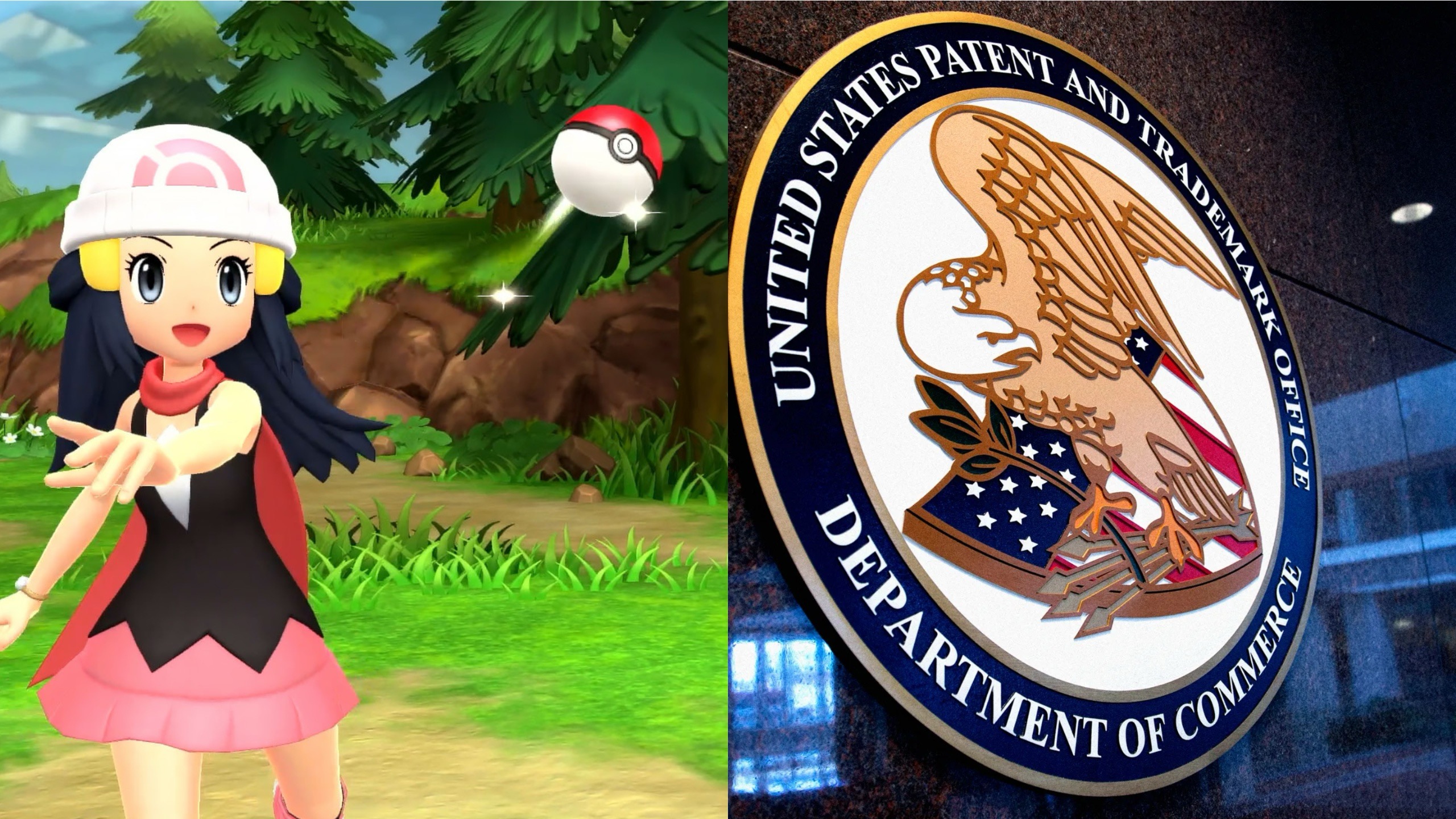
In a landmark move with wide-ranging implications for the video game industry, the United States Patent and Trademark Office (USPTO) has revoked a patent held by Nintendo that covered a gameplay system involving the summoning of characters to engage in battles. The decision follows a rare directive issued by the USPTO’s director last year to re-examine the patent, signaling heightened scrutiny over the validity of certain game-related intellectual property claims.
The patent in question had granted Nintendo exclusive rights over a mechanic widely recognized in modern gaming: the ability for players to summon characters, creatures, or entities that then fight on their behalf. This type of system has long been a cornerstone of role-playing games, strategy titles, and collectible-based gameplay, making the scope and enforceability of such a patent a point of concern for developers across the industry.
What makes this case particularly notable is the unusual intervention by the USPTO’s leadership. Director-initiated re-examinations are infrequent and typically reserved for cases that raise broader questions about patent standards or industry impact. By ordering a review, the director effectively placed a spotlight on whether the patent met the fundamental requirements of novelty and non-obviousness—two key pillars of patent law.
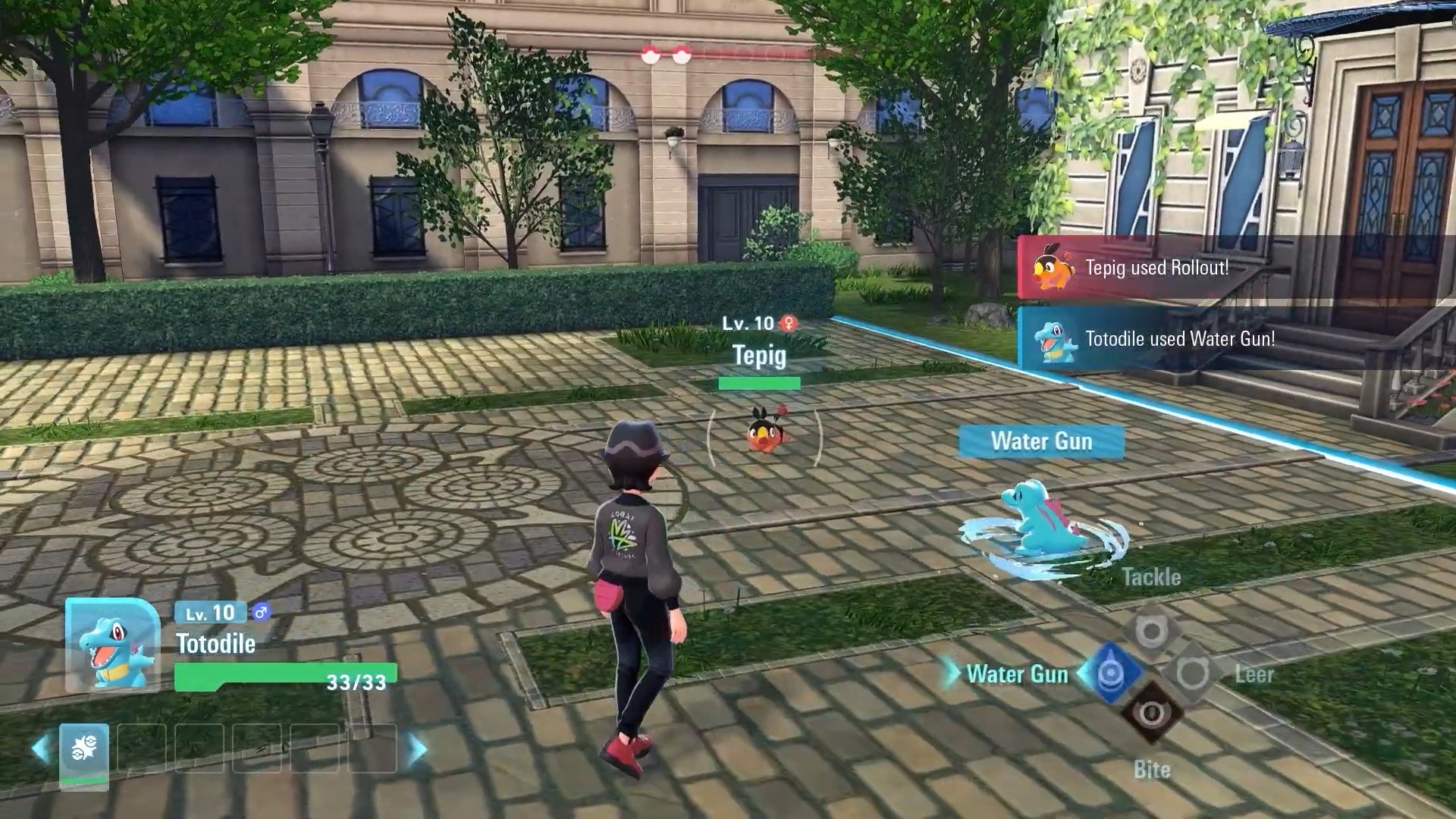
Following the re-examination process, the USPTO concluded that the patented system did not satisfy these criteria. Officials determined that similar mechanics had existed in earlier games and related technologies, constituting prior art that undermined the originality of Nintendo’s claim. As a result, the patent was invalidated, removing the company’s exclusive rights over the concept.
The ruling has been widely interpreted as a win for developers, particularly smaller studios that often operate with limited legal resources. Many in the industry have long expressed concern that patents covering broad or foundational gameplay ideas can act as barriers to innovation. The fear of potential infringement claims can discourage experimentation, forcing developers to avoid certain mechanics even when they are widely understood as part of the shared language of game design.
By revoking the patent, the USPTO has effectively clarified that such commonly used systems should remain part of the public domain of creative tools available to all developers. This is expected to encourage greater freedom in game design, allowing studios to build upon established ideas without navigating complex licensing arrangements or legal uncertainties.
For Nintendo, the decision represents a setback, though not necessarily a crippling one. The company remains one of the most influential players in the gaming world, with a vast portfolio of intellectual property that includes beloved franchises, proprietary technologies, and numerous other patents. While the loss of this particular patent may limit its ability to control certain gameplay mechanics, its broader position in the market is unlikely to be significantly affected.
Industry analysts note that the case reflects a growing reassessment of how intellectual property laws apply to interactive media. Unlike traditional inventions, video game mechanics often evolve through iterative design and shared conventions, making it difficult to draw clear lines around ownership. This has led to ongoing debates about whether certain aspects of gameplay should be patentable at all.
The USPTO’s decision may signal a shift toward stricter standards for such patents, particularly those that attempt to claim widely used or abstract concepts. Legal experts suggest that this could lead to increased challenges against similar patents in the future, as developers and advocacy groups seek to ensure that fundamental elements of game design remain accessible.
The timing of the decision is also significant, as the gaming industry continues to expand rapidly, driven by advances in technology and a growing global audience. With new platforms, genres, and business models emerging, the question of how to balance innovation with fair competition has become increasingly urgent.
Some observers believe the ruling could have a ripple effect beyond gaming, influencing how software-related patents are evaluated more broadly. As digital experiences become more complex and interconnected, regulators may face mounting pressure to prevent the monopolization of basic interactive concepts.
At the same time, the decision underscores the importance of maintaining a patent system that rewards genuine innovation while avoiding overreach. Striking this balance is critical not only for fostering creativity but also for ensuring a competitive and dynamic marketplace.
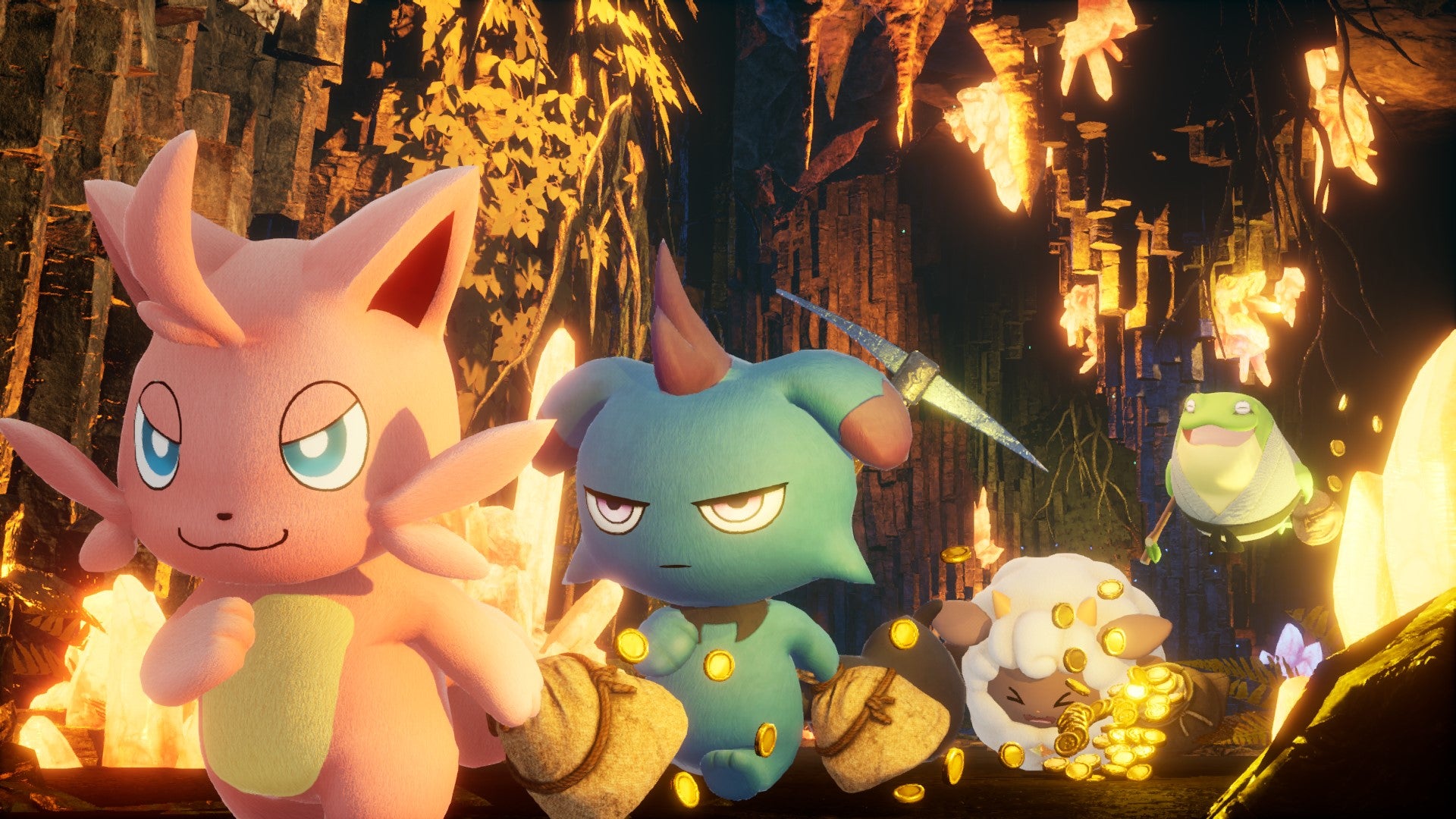
For developers, the immediate impact is likely to be a renewed sense of freedom. The removal of legal ambiguity around character-summoning battle systems could open the door to new interpretations and innovations, as studios revisit and refine mechanics that were once considered legally sensitive.
Ultimately, the revocation of Nintendo’s patent marks a pivotal moment in the ongoing evolution of intellectual property law in the digital age. It highlights the challenges of applying traditional legal frameworks to modern creative industries and sets a precedent that may shape how game mechanics are treated for years to come.