Subaru has taken a major step in its transition to electrification with the unveiling of the new Getaway, a three-row electric SUV that effectively completes its EV lineup across all major size segments. With this launch, the Japanese automaker now offers electric SUVs ranging from compact urban crossovers to full-size family vehicles, positioning itself as a serious contender in the rapidly expanding EV market. Yet, beneath the surface of this milestone lies a more complex story—one that reflects Subaru’s deepening reliance on its long-time partner, Toyota.
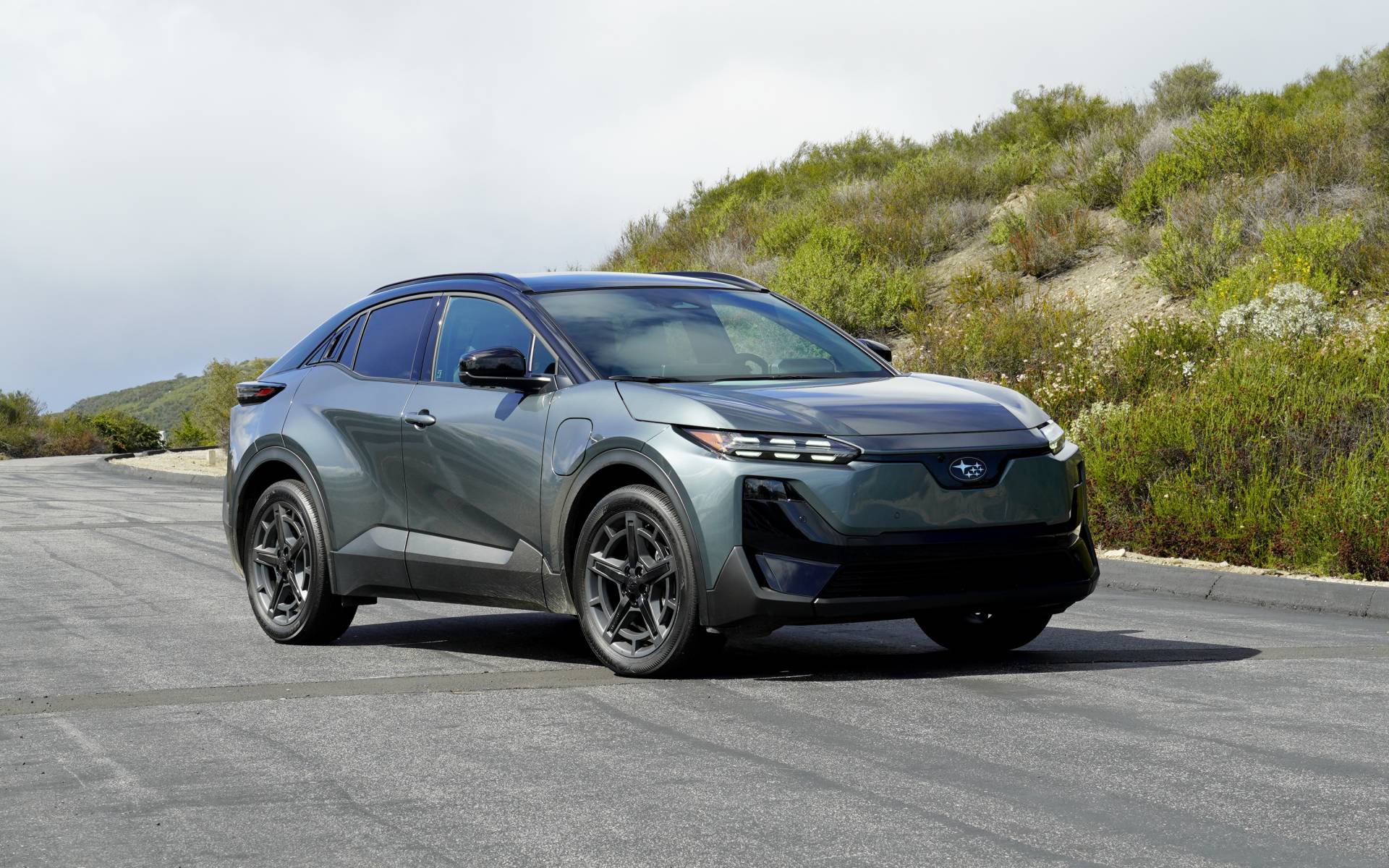
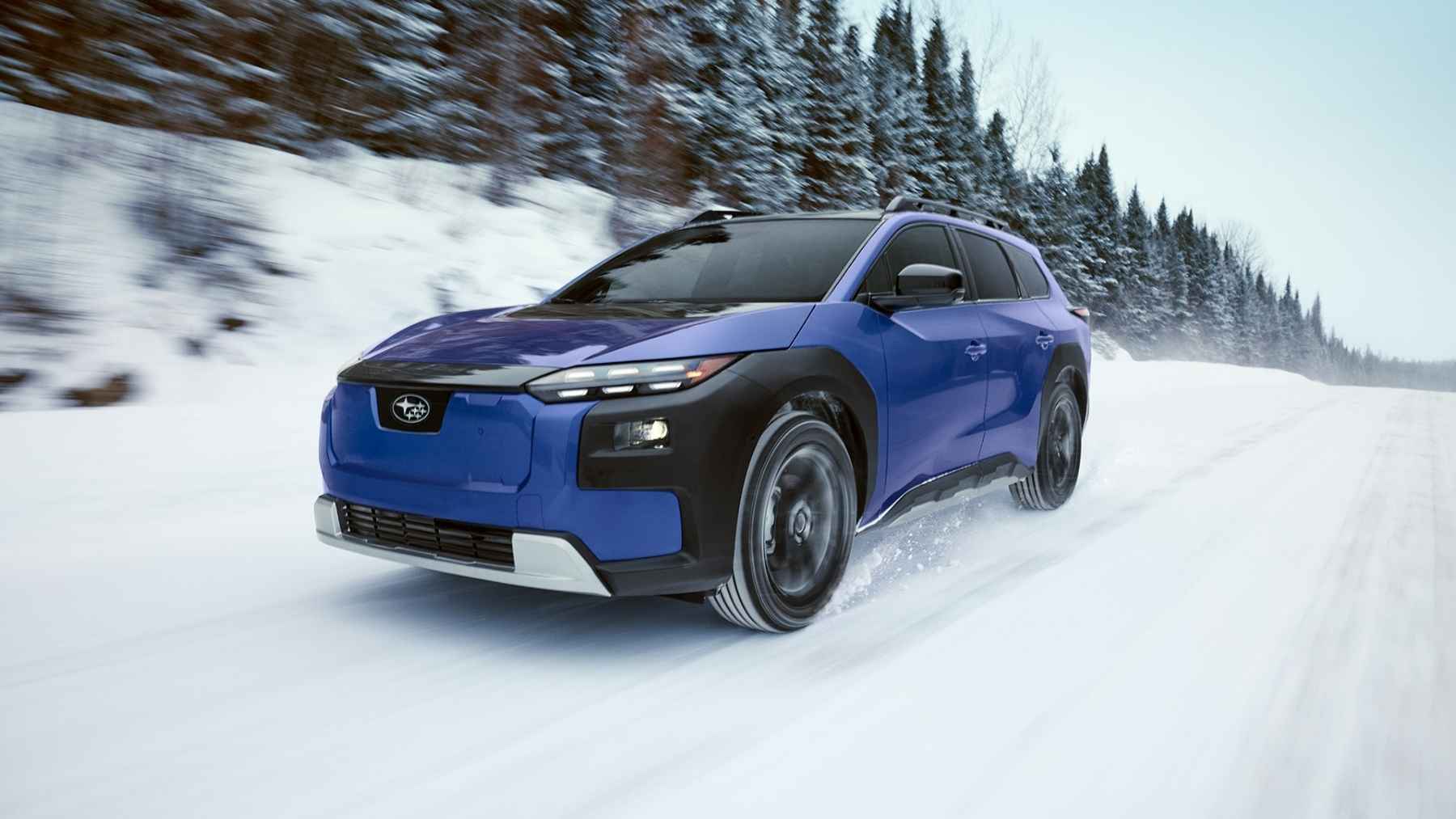
At first glance, the Getaway looks like a natural evolution of Subaru’s design philosophy. It features a bold, upright front end, sleek LED lighting, and the brand’s signature rugged aesthetic. The proportions are larger and more imposing than any previous electric Subaru, signaling its role as a flagship SUV designed for families and long-distance travel. However, a closer look reveals that the vehicle shares more than just general inspiration with its sibling from Toyota—it is, in many ways, a reimagined version of the Toyota Highlander.
The resemblance begins with the vehicle’s overall silhouette. The long wheelbase, gently sloping roofline, and three-row configuration closely mirror the Highlander’s structure. Much of the underlying architecture is shared, including the platform, battery layout, and core engineering. Subaru has added its own visual touches—such as unique badging and slight modifications to the grille and bumpers—but the similarities remain difficult to ignore.
Inside the cabin, the overlap becomes even more apparent. The dashboard layout, central infotainment display, and seating arrangement closely resemble those found in the Highlander. While Subaru has made minor adjustments to materials and trim options, the overall experience feels familiar, especially to those who have spent time in Toyota’s latest electric offerings. This level of shared design reflects a broader industry trend, where partnerships and platform sharing are becoming essential to managing the high costs of EV development.
Despite this shared foundation, Subaru has worked to differentiate the Getaway in key areas—most notably performance. The new SUV comes equipped with a dual-motor, all-wheel-drive system that delivers significantly more power than its Toyota counterpart. This aligns with Subaru’s long-standing reputation for standard all-wheel drive across most of its lineup. The added power not only improves acceleration but also enhances the vehicle’s capability in rough weather and off-road conditions, areas where Subaru has traditionally excelled.
Range and charging capabilities are competitive with other vehicles in its class. The Getaway is expected to offer a driving range suitable for long trips, along with fast-charging support that allows drivers to quickly top up the battery during extended journeys. These features are essential for a three-row SUV aimed at families, where practicality and convenience play a central role in purchasing decisions.
The introduction of the Getaway also highlights Subaru’s broader strategy in the EV space. Rather than developing entirely new platforms independently, the company has leaned heavily on its collaboration with Toyota to accelerate its transition. This approach has allowed Subaru to quickly build a diverse electric lineup that includes compact, mid-size, and now full-size SUVs. Models like the Solterra laid the groundwork, and the Getaway now serves as the capstone of that effort.
For consumers, this expanded lineup offers clear advantages. Buyers can choose from a range of electric SUVs tailored to different lifestyles, all within the Subaru brand. Whether it’s a smaller vehicle for city driving or a larger SUV for family road trips, the company now has an option to meet those needs. The Getaway, in particular, fills an important gap by providing a spacious, three-row alternative in the electric segment, which remains relatively limited compared to traditional gas-powered SUVs.
However, this strategy is not without its drawbacks. As Subaru’s EV lineup grows, questions about brand identity have become more prominent. When multiple vehicles share so much DNA with Toyota models, it becomes harder to distinguish what makes a Subaru uniquely Subaru. The Getaway embodies this tension: it offers strong performance and standard all-wheel drive, but much of its design and engineering is clearly inherited.
This raises an important question for the future. Will consumers prioritize brand loyalty and driving characteristics, or will they focus on the underlying similarities between vehicles? In a market where differentiation can be crucial, Subaru will need to find ways to maintain its identity while continuing to benefit from its partnership with Toyota.
Looking ahead, the success of the Getaway will likely depend on how well Subaru can strike this balance. If buyers embrace the vehicle’s combination of practicality, performance, and electric capability, it could become a cornerstone of the company’s EV strategy. On the other hand, if the similarities to Toyota’s offerings overshadow its unique features, it may struggle to stand out in an increasingly crowded market.
What is clear, however, is that the Getaway represents a significant moment for Subaru. It signals the company’s commitment to electrification and its willingness to adapt to a rapidly changing automotive landscape. Even if it borrows heavily from familiar foundations, the Getaway pushes Subaru into a new era—one where electric vehicles are no longer a niche experiment, but a central part of the brand’s identity.