Volkswagen will reduce its global production capacity by approximately one million vehicles annually, Chief Executive Officer Oliver Blume has announced, signaling a significant strategic shift for one of the world’s largest automakers as it navigates changing market dynamics.
The move is part of a broader effort to align production with demand while improving efficiency and profitability. Once capable of producing as many as 12 million vehicles annually across its global network, Volkswagen now plans to scale that figure down to around 9 million units over time. The decision reflects growing concerns about overcapacity in the automotive sector, where demand has become more volatile and increasingly fragmented.

Blume emphasized that the era of maximizing output at all costs is fading. Instead, the company is focusing on a more disciplined approach that prioritizes margins and sustainability over sheer volume. This shift mirrors a wider industry trend as automakers grapple with the twin challenges of electrification and intensifying global competition.
A key factor behind the decision is the changing nature of consumer demand. In mature markets such as Europe, vehicle sales have plateaued, while in once high-growth regions like China, competition has intensified dramatically. Domestic manufacturers in China have rapidly gained ground, particularly in the electric vehicle segment, eroding the market share of established global players like Volkswagen.
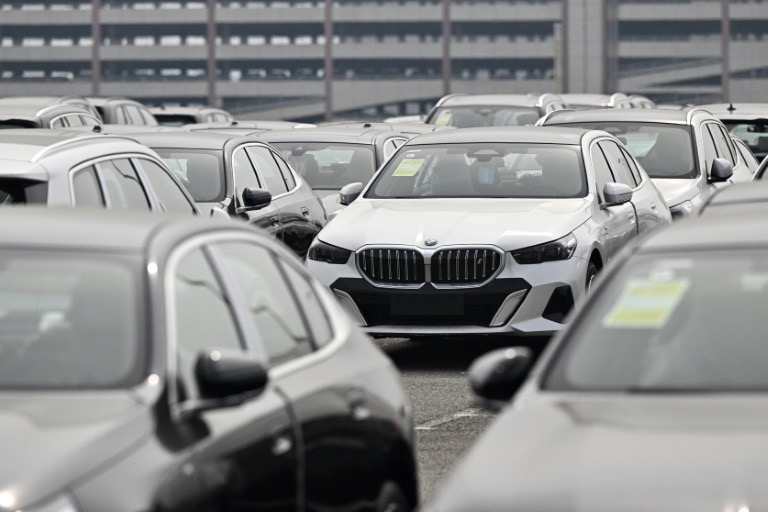
The company’s extensive manufacturing footprint—long considered a strength—has now become a liability in an environment where demand is less predictable. Maintaining underutilized factories is costly, prompting the need for a leaner, more flexible production system. By cutting capacity, Volkswagen aims to better match output with real market conditions and avoid inefficiencies.
The planned reductions are expected to affect several regions, with Europe likely to bear a significant portion of the impact. Volkswagen operates numerous plants across Germany and other parts of the continent, many of which have been running below optimal capacity in recent years. While the company has not detailed specific plant closures, it has indicated that adjustments will be made gradually through a combination of restructuring, efficiency improvements, and potential shifts in production allocation.
The announcement has also raised concerns about employment. As production capacity declines, there is a risk that jobs could be affected, particularly in manufacturing hubs that rely heavily on the automotive industry. However, Volkswagen has suggested that it will seek to manage the transition responsibly, possibly through natural attrition, retraining programs, and internal redeployment rather than large-scale layoffs.
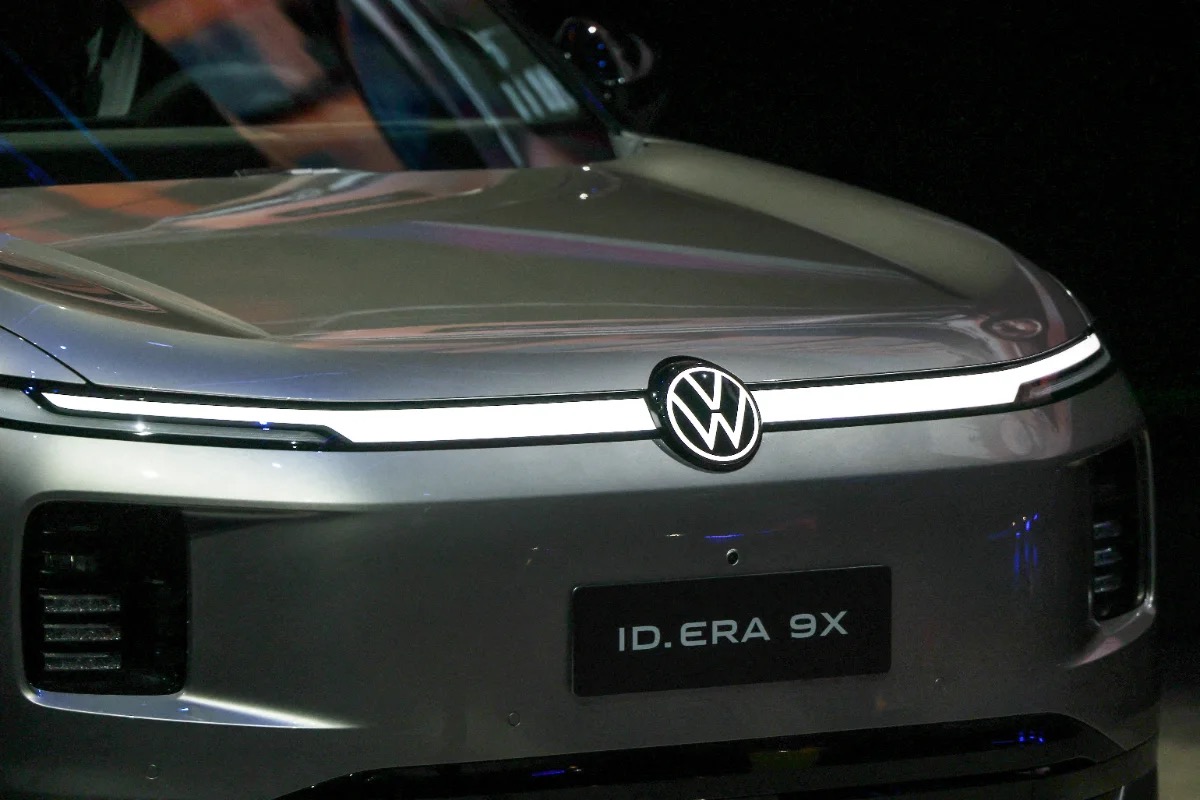
At the same time, the company continues to invest heavily in new technologies, particularly electric vehicles and digital platforms. The shift toward electrification is reshaping the entire automotive value chain, requiring different production processes and often fewer components than traditional internal combustion engine vehicles. This transition has further contributed to the need for a reassessment of manufacturing capacity.
Volkswagen’s strategy reflects a broader recalibration within the global automotive industry. For decades, success was measured largely by production volumes and market share. Today, however, profitability, resilience, and adaptability have become equally important metrics. Automakers are increasingly focusing on optimizing their product portfolios, streamlining operations, and targeting high-growth segments such as electric mobility and software-driven services.
The company’s leadership believes that reducing excess capacity will not only cut costs but also enhance its ability to respond to market shifts more quickly. A smaller, more efficient production base can be scaled up or down as needed, reducing the risks associated with sudden changes in demand.
Despite the planned cuts, Volkswagen remains one of the largest automotive manufacturers in the world, with a diverse portfolio of brands spanning mass-market and premium segments. The company’s global presence and strong brand recognition continue to provide a solid foundation, even as it undergoes significant transformation.
Industry analysts view the move as both necessary and inevitable. The combination of economic uncertainty, regulatory pressures, and technological disruption has created an environment in which traditional business models are no longer sufficient. Companies that fail to adapt risk falling behind in an increasingly competitive landscape.

Looking ahead, Volkswagen’s ability to execute this transition effectively will be closely watched. Balancing cost reductions with continued investment in innovation will be critical to maintaining its position in the global market. The company must also navigate the social and political implications of restructuring, particularly in regions where it is a major employer.
For now, the announcement marks a clear acknowledgment that the automotive industry is entering a new phase—one defined not by expansion, but by strategic consolidation and transformation. Volkswagen’s decision to cut production capacity by one million vehicles a year underscores the scale of change underway and highlights the challenges facing even the most established players in the sector.