Ferrari is taking a bold step as it prepares to launch its first fully electric vehicle, encouraging some customers to embrace the new model by hinting that doing so could improve their chances of securing future Ferrari allocations. The move comes as the legendary Italian automaker faces the challenge of introducing electric mobility to a customer base that has long associated the brand with powerful combustion engines, unmistakable exhaust notes, and a rich racing heritage.
For decades, Ferrari has built its reputation on exclusivity. Unlike mass-market manufacturers, the company intentionally limits production, ensuring that demand consistently exceeds supply. As a result, many Ferrari models come with lengthy waiting periods, and access to limited-edition vehicles is often reserved for loyal customers with established purchasing histories.
Industry observers say Ferrari dealers have been encouraging select clients to consider the company’s upcoming electric vehicle as part of their long-term relationship with the brand. While there is no official policy requiring customers to buy an EV to access future models, many believe that supporting Ferrari’s electrification strategy could strengthen a buyer’s standing when coveted allocations become available.
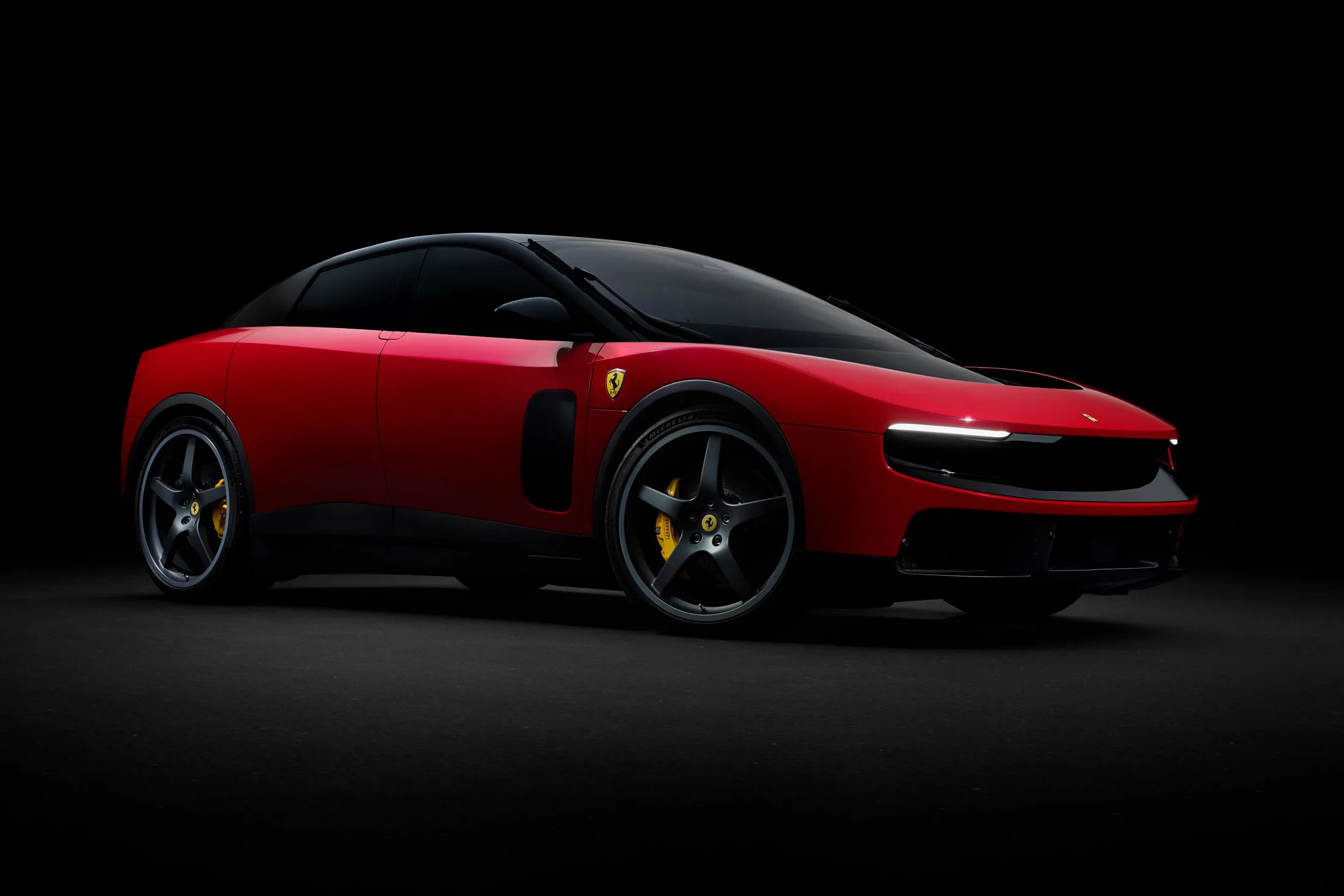
The approach highlights the unique position Ferrari occupies in the automotive world. Purchasing a Ferrari is often about more than simply buying a car. Many customers see ownership as entry into an exclusive community where loyalty and engagement are rewarded over time. By leveraging this relationship, Ferrari appears to be easing the transition toward electrification without abandoning the exclusivity that has helped define the brand.
The company’s first electric vehicle is also one of its most controversial projects. Enthusiasts have spent months debating whether a fully electric Ferrari can capture the spirit that has made the marque famous. For generations, Ferrari’s identity has been closely tied to the sound and emotion of its engines. The roar of a naturally aspirated V12 or the growl of a high-performance V8 has become an essential part of the Ferrari experience.
Critics argue that removing the engine sound risks stripping away a key element of what makes a Ferrari special. For many traditionalists, the connection between driver and machine is inseparable from the noise, vibration, and mechanical character produced by an internal-combustion powertrain. The prospect of a silent Ferrari has therefore been met with skepticism in some enthusiast circles.
Supporters, however, see things differently. They point out that Ferrari has never been afraid to embrace new technology when it delivers performance advantages. The company was among the first supercar manufacturers to successfully integrate hybrid systems into its lineup, demonstrating that innovation and tradition can coexist. Electric powertrains offer instant torque, rapid acceleration, and new engineering possibilities that could allow Ferrari to redefine high-performance driving.
The transition is also driven by broader industry trends. Governments around the world continue to introduce stricter emissions regulations, while consumer interest in electric vehicles remains strong in many luxury markets. Even performance-oriented brands are increasingly investing in electrification to meet environmental goals and evolving customer expectations.
Ferrari’s challenge is particularly complex because its customers often purchase vehicles for emotional reasons rather than practical ones. While electric cars have proven their performance capabilities, convincing Ferrari enthusiasts to embrace an EV requires more than impressive acceleration figures. The company must create an experience that feels authentic to the Ferrari brand while introducing customers to a fundamentally different type of vehicle.
Analysts believe Ferrari’s strategy of linking EV purchases to stronger customer relationships could help overcome some of this resistance. Buyers who might otherwise hesitate to consider an electric Ferrari may be more willing to take the plunge if they believe it will improve their chances of accessing future special-edition models. In a market where exclusivity carries significant value, such incentives can be powerful.
The approach also serves another purpose: building an initial customer base for the new vehicle. Launching a fully electric Ferrari represents a major milestone, and early adoption by loyal customers could help establish credibility for the model. Positive experiences among long-time Ferrari owners may encourage broader acceptance within the enthusiast community.
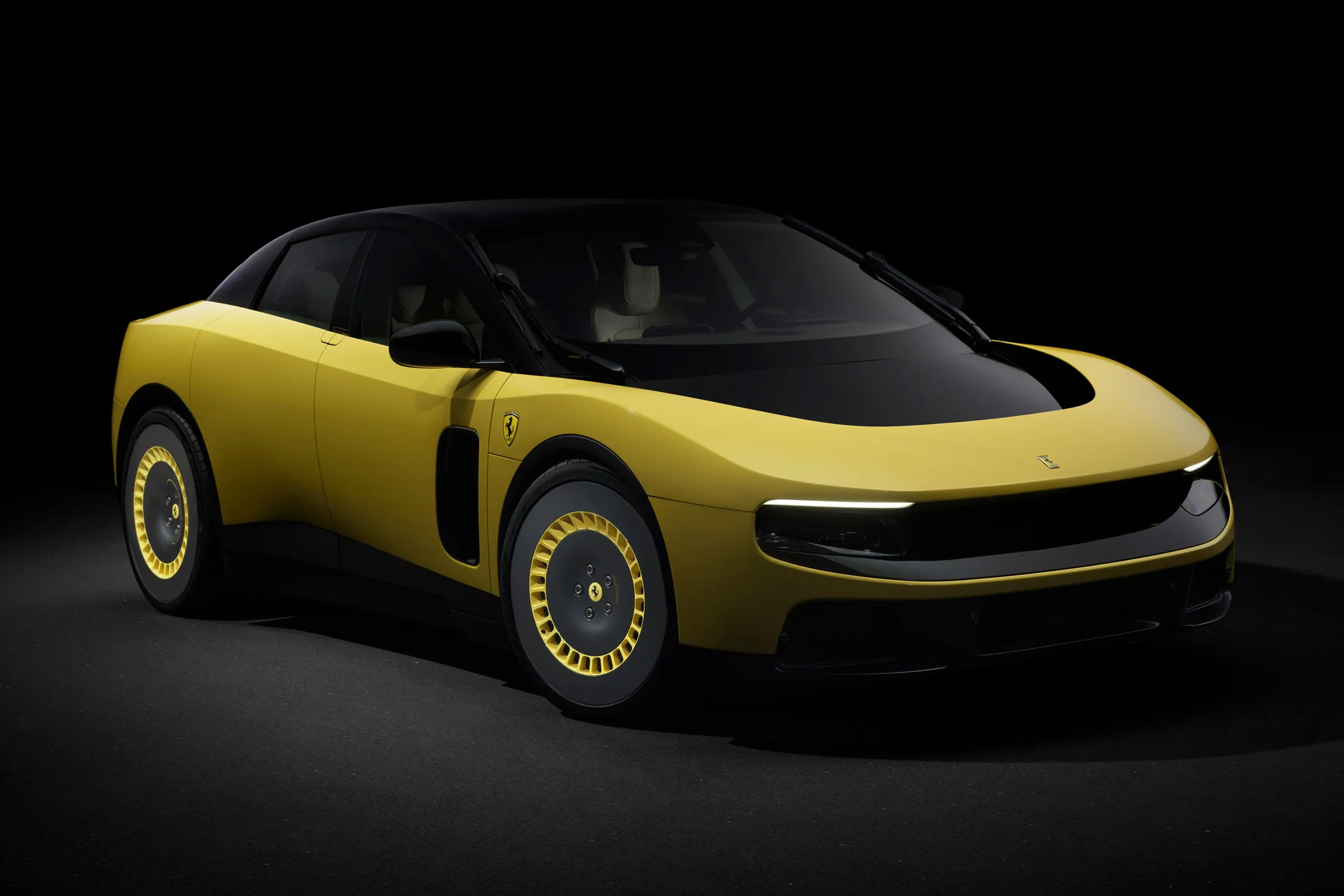
At the same time, Ferrari is taking care not to alienate traditional buyers. Company executives have repeatedly emphasized that combustion-engine and hybrid models will remain part of the lineup for the foreseeable future. Rather than replacing its iconic sports cars overnight, Ferrari appears committed to offering a range of powertrain options as it navigates the industry’s transition.
This balanced strategy reflects the realities of today’s automotive market. While electric vehicles are becoming increasingly important, demand for high-performance gasoline-powered cars remains strong among collectors and enthusiasts. Ferrari’s ability to serve both audiences could prove critical to its long-term success.
As the launch of Ferrari’s first electric vehicle approaches, the company finds itself at a defining moment. The move into electrification marks one of the most significant transformations in its history, testing whether a brand built on the emotion of combustion engines can successfully reinvent itself for a new era.
By encouraging customers to support its electric ambitions while maintaining the exclusivity that has long defined the brand, Ferrari is attempting to manage this transition on its own terms. Whether enthusiasts ultimately embrace the change remains uncertain, but one thing is clear: the arrival of Ferrari’s first EV will be closely watched across the automotive world, offering a glimpse into the future of one of the industry’s most iconic names.