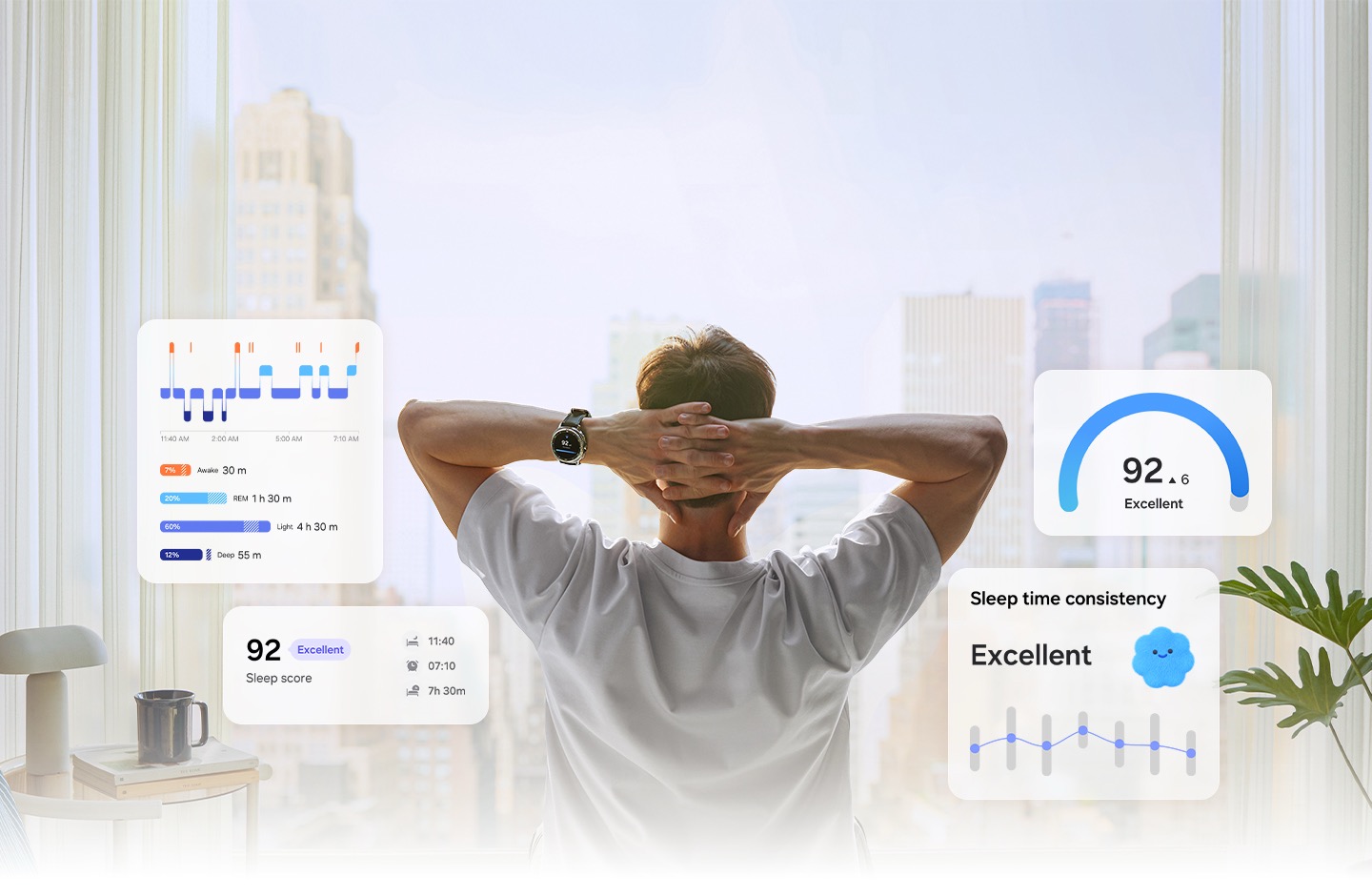
Samsung is facing criticism over changes to its Samsung Health platform that require users to accept updated terms related to artificial intelligence if they wish to continue using certain features. The revised policy has sparked debate over digital privacy and consent, with critics arguing that users are effectively being asked to allow their personal health data to help power AI-driven services or risk losing access to parts of the health platform.
The issue emerged after Samsung updated the terms and conditions for Samsung Health, its fitness and wellness application used by millions of Galaxy smartphone and smartwatch owners around the world. The app tracks a wide range of health metrics, including daily steps, exercise routines, sleep patterns, heart rate, blood oxygen levels, stress, body composition, calorie intake, and menstrual health. Over the years, Samsung Health has evolved from a simple fitness tracker into a comprehensive digital wellness platform that provides personalized insights based on users’ daily habits.
With the latest update, Samsung is integrating more artificial intelligence into the app’s health features. According to the company, AI will help deliver more personalized wellness recommendations, generate deeper health insights, and improve the overall user experience by analyzing trends in an individual’s health data. However, users must agree to the new terms governing AI-related data processing to continue accessing certain services.
The policy change has triggered concern among privacy advocates, who argue that users are being presented with an unfair choice. Those who decline the updated terms may find that some AI-powered health features become unavailable or that they are unable to continue using parts of the Samsung Health ecosystem as before. Critics describe this as a “take it or leave it” approach, where consent is tied directly to access rather than being offered as a separate, optional choice.
Health data is among the most sensitive categories of personal information. Unlike browsing history or shopping preferences, health records reveal intimate details about an individual’s body, lifestyle, and overall well-being. Modern smartwatches and fitness trackers continuously collect information throughout the day, creating detailed records of sleeping habits, physical activity, heart health, stress levels, and exercise routines. As wearable devices become more advanced, the amount of personal information collected continues to grow.
Artificial intelligence relies heavily on large datasets to improve its performance. Machine learning systems identify patterns by analyzing vast amounts of information collected from many users. In the case of health applications, AI can recognize trends that might otherwise go unnoticed, provide personalized recommendations, identify irregular sleep patterns, encourage healthier habits, and generate detailed wellness reports tailored to each individual.
Samsung has positioned AI as a major part of its broader Galaxy ecosystem. Over the past year, the company has introduced AI-powered tools across smartphones, tablets, laptops, and wearable devices. Features such as real-time language translation, AI-assisted photo editing, writing tools, note summarization, and productivity enhancements have become central to Samsung’s software strategy. Health services are now becoming another area where artificial intelligence plays a significant role.
The company argues that AI can make health monitoring more useful by helping users better understand long-term changes in their physical condition. Instead of simply displaying raw numbers, AI-powered analysis can interpret the data, identify meaningful trends, and suggest lifestyle improvements. For example, the system may recommend adjustments to sleep schedules, exercise routines, or stress management based on patterns detected over several weeks or months.
Despite these potential benefits, privacy experts say users deserve greater transparency about how their information is being handled. They argue that companies should clearly explain what health data is collected, how it contributes to AI systems, whether it is used to train machine learning models, how long it is stored, and whether users can opt out without losing important functionality.
Another concern is whether users fully understand the implications of agreeing to updated privacy policies. Digital terms and conditions are often lengthy and filled with technical language, making it difficult for the average person to determine exactly how their data may be used. Consumer advocates have repeatedly called for technology companies to present privacy choices in a simpler and more accessible manner, especially when dealing with sensitive categories such as health information.
The debate surrounding Samsung Health reflects a larger trend across the technology industry. Artificial intelligence has become a major competitive advantage for companies developing consumer products, from smartphones and search engines to productivity software and healthcare platforms. Because AI systems improve with access to larger and more diverse datasets, companies increasingly depend on user information to refine their algorithms and deliver more personalized experiences.
At the same time, governments around the world are paying closer attention to how technology companies collect, process, and protect personal data. New privacy regulations in several regions emphasize informed consent, transparency, and user control over sensitive information. As AI becomes more deeply integrated into digital services, regulators are expected to examine whether companies provide consumers with genuine choices regarding data collection and AI training.

For users, the controversy serves as a reminder to regularly review privacy settings and understand what permissions are being granted when accepting software updates or revised terms of service. Many smartphones and wearable devices allow users to control certain aspects of data sharing, though the availability of features may vary depending on the permissions selected.
The discussion also raises broader ethical questions about the future of AI-powered healthcare. Artificial intelligence has enormous potential to improve disease prevention, fitness tracking, and personalized wellness guidance. However, these advancements depend on maintaining public trust. If users feel pressured into sharing sensitive information without meaningful alternatives, confidence in AI-driven health technologies could be undermined.
Samsung’s latest policy changes highlight the growing tension between innovation and privacy. As technology companies race to develop smarter AI-powered services, they must also address concerns about transparency, consent, and responsible data use. Finding the right balance will be essential as artificial intelligence becomes increasingly embedded in products that monitor some of the most personal aspects of people’s daily lives.