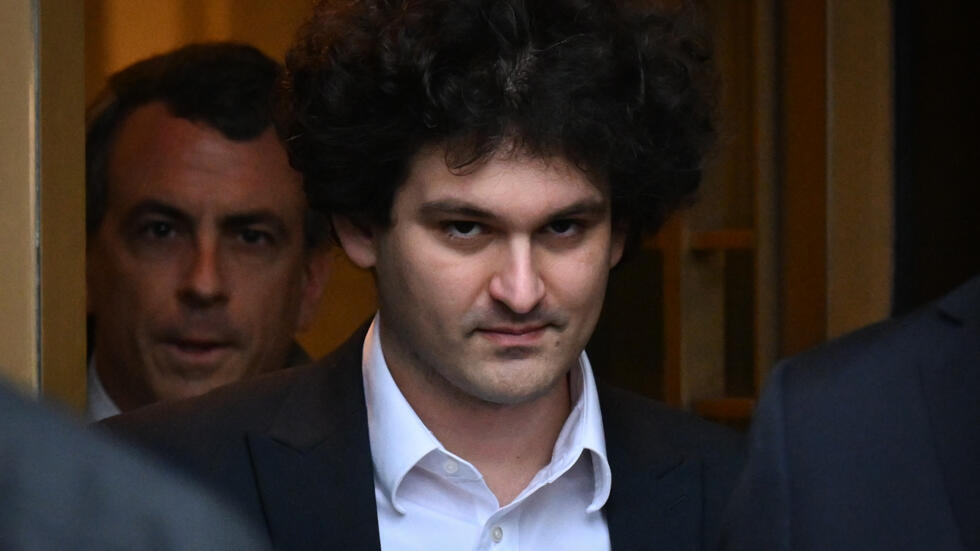
In a landmark case highlighting the complexities of cryptocurrency-related crimes, prosecutors have recommended a substantial prison sentence of 40 to 50 years for Sam Bankman-Fried, the founder of the popular cryptocurrency exchange FTX. Bankman-Fried stands accused of orchestrating a sophisticated fraud scheme that allegedly defrauded investors of millions.
The prosecution’s recommendation comes after months of legal proceedings, during which Bankman-Fried’s legal team has vehemently defended him against charges of securities fraud, money laundering, and conspiracy. The case has drawn significant attention from both the cryptocurrency community and legal experts, given Bankman-Fried’s prominence in the industry and the potential implications for the regulation of digital assets.
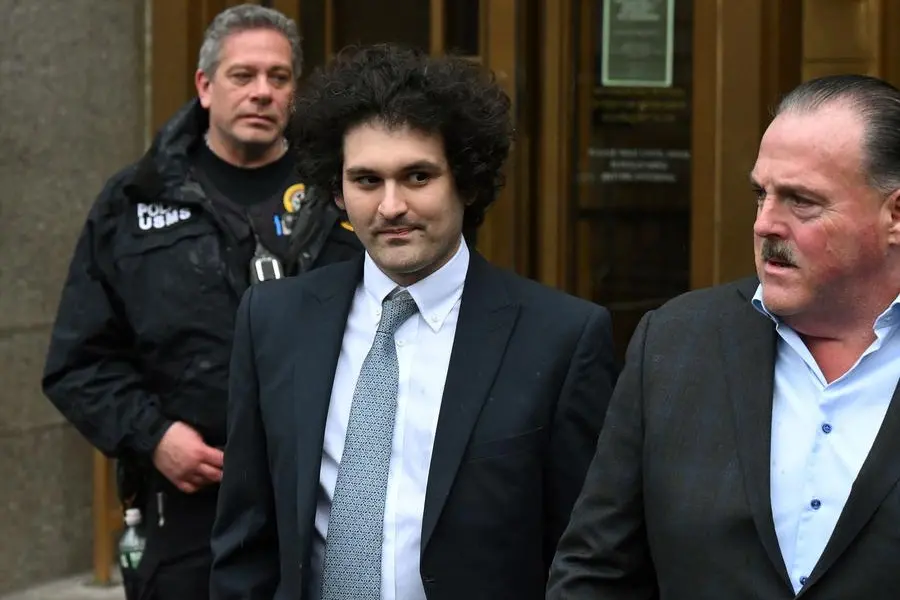
According to court documents, prosecutors allege that Bankman-Fried knowingly misled investors by overstating the value of certain cryptocurrencies traded on his platform, thereby artificially inflating trading volumes to attract more users and investment. Furthermore, it is claimed that he used these fraudulent tactics to manipulate prices for personal gain, all while concealing his actions through complex financial transactions and offshore accounts.
The prosecution’s recommendation for a decades-long prison sentence reflects the severity of the charges against Bankman-Fried and underscores the government’s commitment to prosecuting financial crimes in the cryptocurrency space. In their sentencing memorandum, prosecutors argued that such a substantial punishment is necessary to deter others from engaging in similar fraudulent activities and to uphold the integrity of financial markets.
Bankman-Fried’s defense team has fiercely contested the prosecution’s portrayal of their client, arguing that he is being unfairly scapegoated for broader issues within the cryptocurrency industry. They maintain that Bankman-Fried operated FTX in good faith and that any discrepancies in trading data were the result of inadvertent errors rather than intentional misconduct.

Despite the defense’s arguments, legal experts suggest that the outcome of this case could have far-reaching implications for the regulation of cryptocurrencies and the accountability of individuals operating within the industry. The sentencing of a prominent figure like Bankman-Fried could serve as a precedent for future cases involving similar allegations of fraud and manipulation in the digital asset space.
As the trial enters its final stages, all eyes are on the courtroom as the judge prepares to hand down a verdict that could shape the future of cryptocurrency regulation and enforcement for years to come. The outcome of this high-profile case is sure to reverberate throughout the global cryptocurrency community, prompting reflection on the need for greater transparency, accountability, and regulatory oversight in the rapidly evolving world of digital finance.