The remote Marubo tribe, nestled deep within the Amazon rainforest, has recently experienced a dramatic shift in their daily lives due to the advent of high-speed internet access provided by Elon Musk’s Starlink satellite network. While the introduction of modern technology promised to bring numerous benefits, unforeseen challenges have emerged, notably an alarming increase in pornography consumption among the tribe’s members.
Starlink, a project initiated by SpaceX, aims to deliver high-speed internet to even the most isolated regions of the world via a constellation of low-Earth orbit satellites. The Marubo tribe, traditionally cut off from the global digital landscape, welcomed the internet with enthusiasm, anticipating educational and economic advancements.
However, the tribe’s newfound connectivity has had unintended consequences. Reports from local anthropologists and healthcare workers reveal that many Marubo tribe members, especially the youth, have become excessively engaged with online pornography. This development has raised significant concerns about the potential impact on the tribe’s cultural fabric and social dynamics.
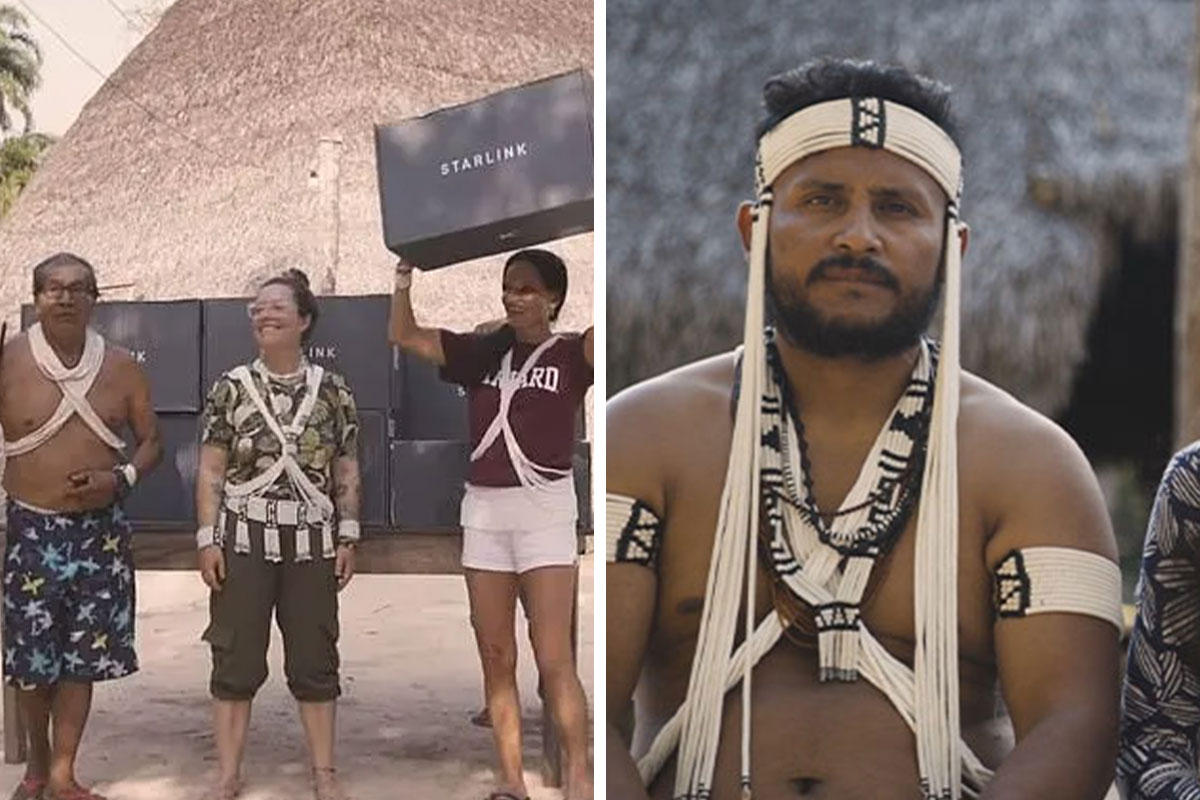
The Marubo tribe, numbering around 2,000 individuals, has maintained a way of life deeply rooted in tradition and communal values. The sudden exposure to the vast expanse of the internet, including its more explicit content, has begun to alter social norms and behaviors within the community.
Dr. Ana Silva, an anthropologist specializing in indigenous cultures, expressed her concerns: “The rapid introduction of high-speed internet without proper guidance or education on digital literacy has exposed the Marubo tribe to content that starkly contrasts with their cultural values. The prevalence of online pornography is particularly troubling, as it can lead to addiction and distort perceptions of healthy relationships and sexuality.”
Healthcare professionals working with the tribe have noted a rise in issues related to mental health and interpersonal conflicts. “We are seeing increased cases of anxiety, depression, and social withdrawal, particularly among young men who spend extensive hours consuming pornographic material,” said Dr. Lucas Andrade, a psychologist working in the region.
The tribal leaders are also grappling with the ramifications of these changes. Elder and spokesperson for the Marubo tribe, Carlos Kamanari, highlighted the challenges: “We embraced the internet hoping to enhance education and connect with the world. But the negative aspects, especially the easy access to harmful content, are threatening our community’s harmony and traditional values.”

In response to the growing crisis, there have been calls for immediate action to mitigate the negative impacts of internet access. Proposals include implementing digital literacy programs that educate the tribe about safe and responsible internet use, installing content filters to block explicit material, and providing psychological support to those affected by addiction.
Elon Musk and SpaceX have acknowledged the issue and expressed a commitment to addressing the unintended consequences of Starlink’s deployment. In a recent statement, a SpaceX spokesperson said, “Our goal with Starlink is to bridge the digital divide and bring positive change. We are working closely with local authorities and experts to ensure that the introduction of internet services supports and enhances the communities it reaches, while mitigating any adverse effects.”
As the Marubo tribe navigates this new digital frontier, the focus remains on balancing technological advancement with the preservation of their cultural heritage. The situation underscores the need for a holistic approach when introducing modern technology to indigenous and isolated communities, ensuring that the benefits of connectivity do not come at the expense of their social and cultural well-being.
For now, the Marubo tribe continues to adapt, hoping that with the right support and education, they can harness the power of the internet to improve their lives while safeguarding their unique cultural identity.