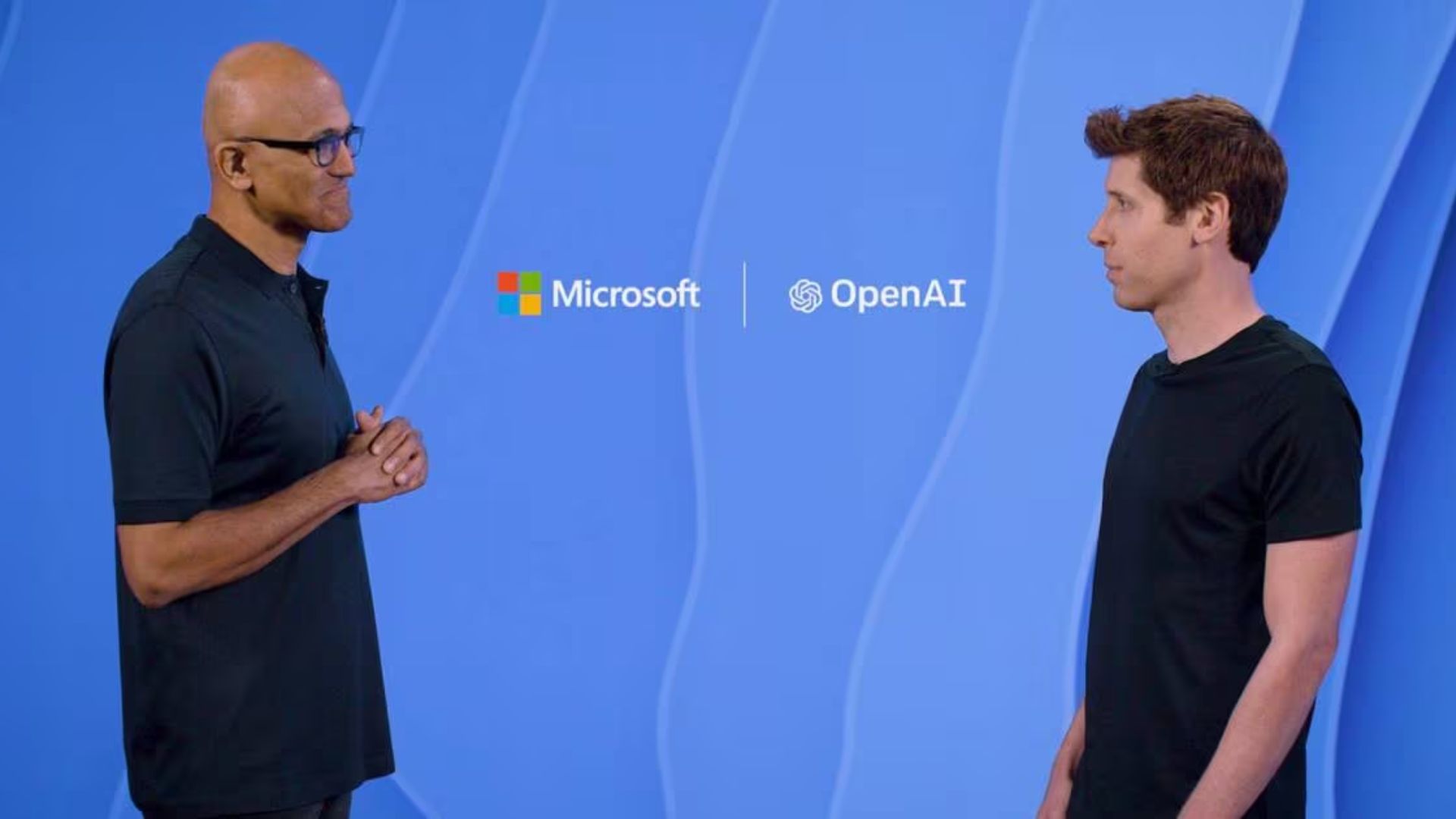
Microsoft insiders are voicing concerns that the tech giant is increasingly becoming an auxiliary to OpenAI, a shift that some worry might dilute its core identity and strategic priorities. The apprehensions come amidst Microsoft’s deepening collaboration with OpenAI, the artificial intelligence research lab behind groundbreaking technologies like GPT-4.
Several current and former employees, who spoke on the condition of anonymity, have highlighted that Microsoft’s resources and strategic direction appear to be increasingly aligned with OpenAI’s goals. This growing partnership has prompted debates within the company about its long-term implications.
“Microsoft has always been a leader in innovation and enterprise solutions,” said one senior engineer. “But lately, it feels like we’re more focused on supporting OpenAI’s ambitions than pursuing our own. It’s as if we’ve become IT for OpenAI.”

This sentiment reflects broader anxieties about Microsoft potentially losing its distinct identity as it becomes more enmeshed with OpenAI. The partnership, which has seen Microsoft invest billions in OpenAI and integrate its technologies into Microsoft products like Azure and Office, is seen by some as overshadowing other areas of innovation within the company.
“We’re putting a lot of our eggs in the OpenAI basket,” noted another insider. “While AI is undoubtedly the future, it’s crucial that we don’t neglect our other strengths and innovations. There’s a fine balance to maintain, and right now, it feels skewed.”
Microsoft’s collaboration with OpenAI began in earnest in 2019 when it invested $1 billion in the AI research lab. The partnership has since grown, with Microsoft becoming OpenAI’s exclusive cloud provider and integrating OpenAI’s models into its own products. This relationship has yielded significant advancements, such as the integration of GPT technology into Microsoft’s Bing search engine and Azure cloud services.
However, the close ties have also raised concerns about dependency and strategic focus. Some employees worry that Microsoft’s identity is becoming too intertwined with OpenAI’s success and vision, potentially at the expense of other innovative endeavors.
CEO Satya Nadella has been a vocal proponent of the partnership, emphasizing that AI is central to Microsoft’s future. In various public statements, Nadella has underscored the transformative potential of AI and the importance of staying at the forefront of this technological wave.

“AI is the defining technology of our time,” Nadella said at a recent company event. “Our collaboration with OpenAI allows us to push the boundaries of what’s possible and deliver cutting-edge solutions to our customers.”
Despite these assurances, the internal debate continues. Some employees argue that while AI is indeed pivotal, it should not eclipse the breadth of Microsoft’s innovation landscape, which includes cloud computing, enterprise software, gaming, and more.
Industry analysts offer mixed views on the partnership’s trajectory. Some believe the alliance positions Microsoft advantageously in the AI race, while others caution against over-reliance on a single strategic partner.
“Microsoft’s integration with OpenAI certainly enhances its AI capabilities,” said tech analyst Jordan Lee. “However, it’s vital for Microsoft to maintain a diversified innovation portfolio to ensure long-term resilience and leadership across various tech sectors.”
As Microsoft navigates these internal and external dynamics, the company’s challenge will be to harness the full potential of its AI partnership while preserving and nurturing its broader technological ecosystem. For now, the future of this iconic tech giant hangs in a delicate balance, shaped by both its storied past and its ambitious AI-driven aspirations.