A popular YouTuber has been suspended from the platform after making controversial remarks that downplayed and mocked women’s concerns about the increasing prevalence of deepfake sex crimes. The suspension comes amid growing public outrage over the misuse of artificial intelligence (AI) to create non-consensual explicit content, a problem that has escalated in recent years.
The YouTuber, who had amassed a large following for his commentary on tech and internet culture, sparked controversy during a recent live stream in which he dismissed the seriousness of deepfake sex crimes. During the stream, he ridiculed women who have been victimized by deepfakes, suggesting that their concerns were overblown and even joking about the phenomenon. His remarks were met with immediate backlash on social media, with many accusing him of perpetuating harmful attitudes toward a deeply troubling issue.
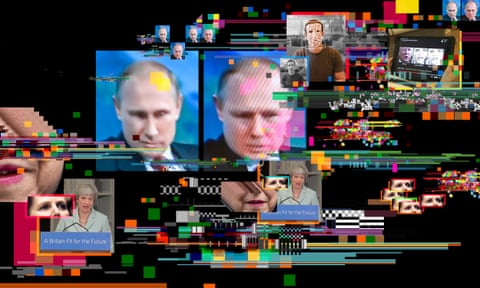
Deepfake technology, which uses AI to superimpose a person’s face onto another’s body in videos, has increasingly been weaponized to create explicit content without the subject’s consent. Women, in particular, have been disproportionately targeted, with countless victims finding their likenesses used in pornographic deepfakes shared across the internet. These violations have prompted calls for stricter regulations and more robust protections against the misuse of such technology.
In response to the YouTuber’s comments, several advocacy groups, including organizations that support victims of online harassment and sexual exploitation, called for YouTube to take swift action. “This kind of rhetoric is not just offensive; it’s dangerous. It trivializes the very real harm that deepfake technology is causing to women around the world,” said Emma Lewis, a spokesperson for the Cyber Civil Rights Initiative. “Platforms like YouTube have a responsibility to ensure that their creators do not contribute to a culture that dismisses or mocks the trauma of victims.”
YouTube acted quickly, suspending the creator’s channel for violating its policies on harassment and hate speech. A spokesperson for the platform stated, “We have zero tolerance for content that trivializes or promotes harmful behavior. We are committed to ensuring that YouTube remains a safe space for all users, and we will continue to take action against content that violates our community guidelines.”
The suspension has reignited discussions about the role of social media platforms in regulating content and protecting users from online abuse. While some praised YouTube’s decision, others questioned whether the platform was doing enough to address the broader issue of deepfake technology and its impact on women.
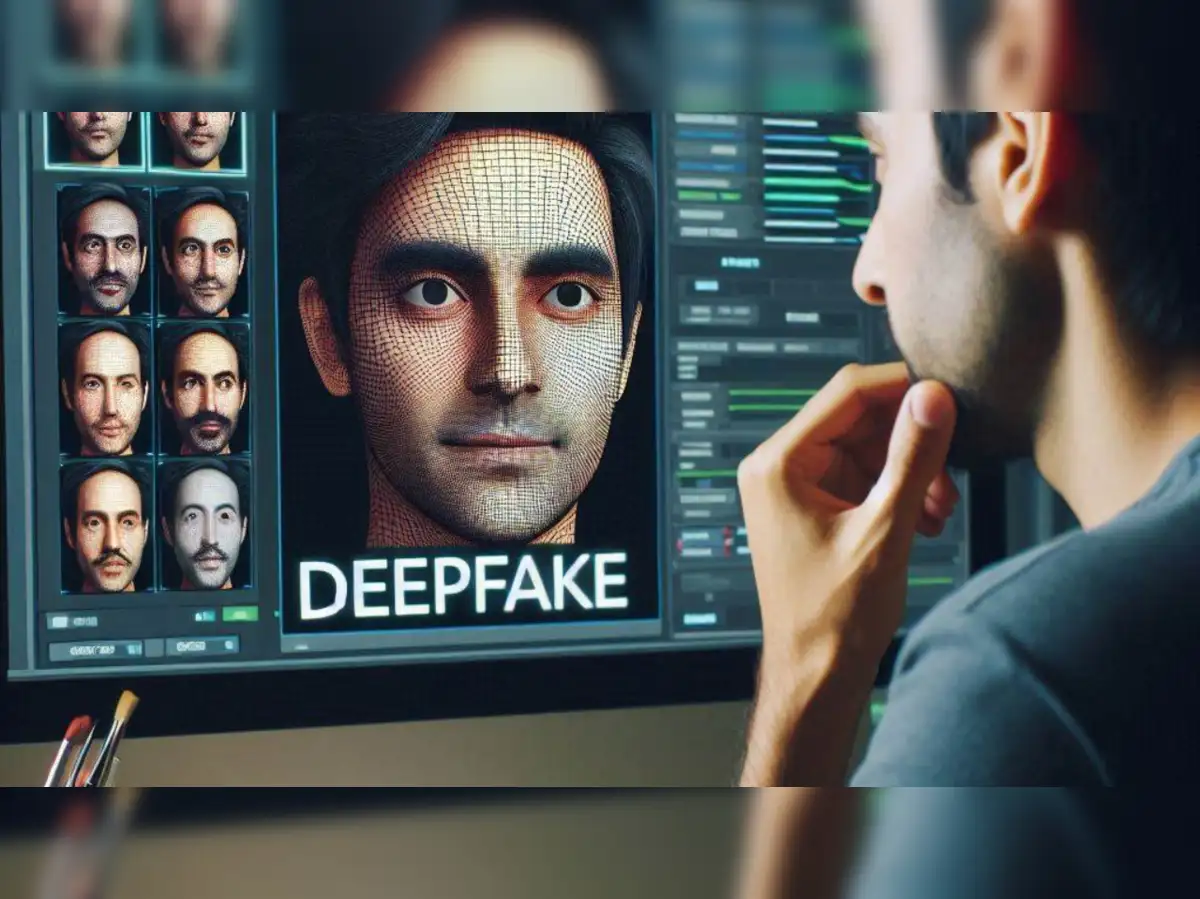
As the debate continues, the need for comprehensive solutions to combat the rise of deepfake sex crimes remains urgent. Legal experts and advocates are calling for new legislation to criminalize the creation and distribution of non-consensual deepfake content, alongside increased efforts by tech companies to develop tools that can detect and remove such material before it spreads.
The YouTuber’s suspension serves as a stark reminder of the power that online influencers wield and the importance of responsible content creation in an age where technology can be both a tool for empowerment and a weapon for exploitation.