
In a move that has set the stage for a major conflict between a global tech company and a national government, Starlink, the satellite internet division of Elon Musk’s SpaceX, has refused to comply with Brazil’s recent ban on the social media platform “X” (formerly known as Twitter). The decision has sparked widespread debate and raises questions about the reach of national laws in the age of global digital services.
The Ban on X
Brazilian President Luiz Inácio Lula da Silva’s administration announced the ban on “X” last month, citing concerns over the platform’s role in spreading misinformation and hate speech. The government claimed that “X” had failed to adhere to Brazilian regulations requiring social media platforms to remove harmful content promptly. This crackdown is part of Brazil’s broader efforts to combat online disinformation, particularly in the lead-up to the 2024 general elections.
Under the new law, any company providing access to “X” within Brazil would be required to block the platform or face substantial fines. The ban has drawn support from various political factions, particularly those concerned about the impact of social media on democracy. However, it has also faced criticism from free speech advocates who argue that it sets a dangerous precedent.
Starlink’s Defiance
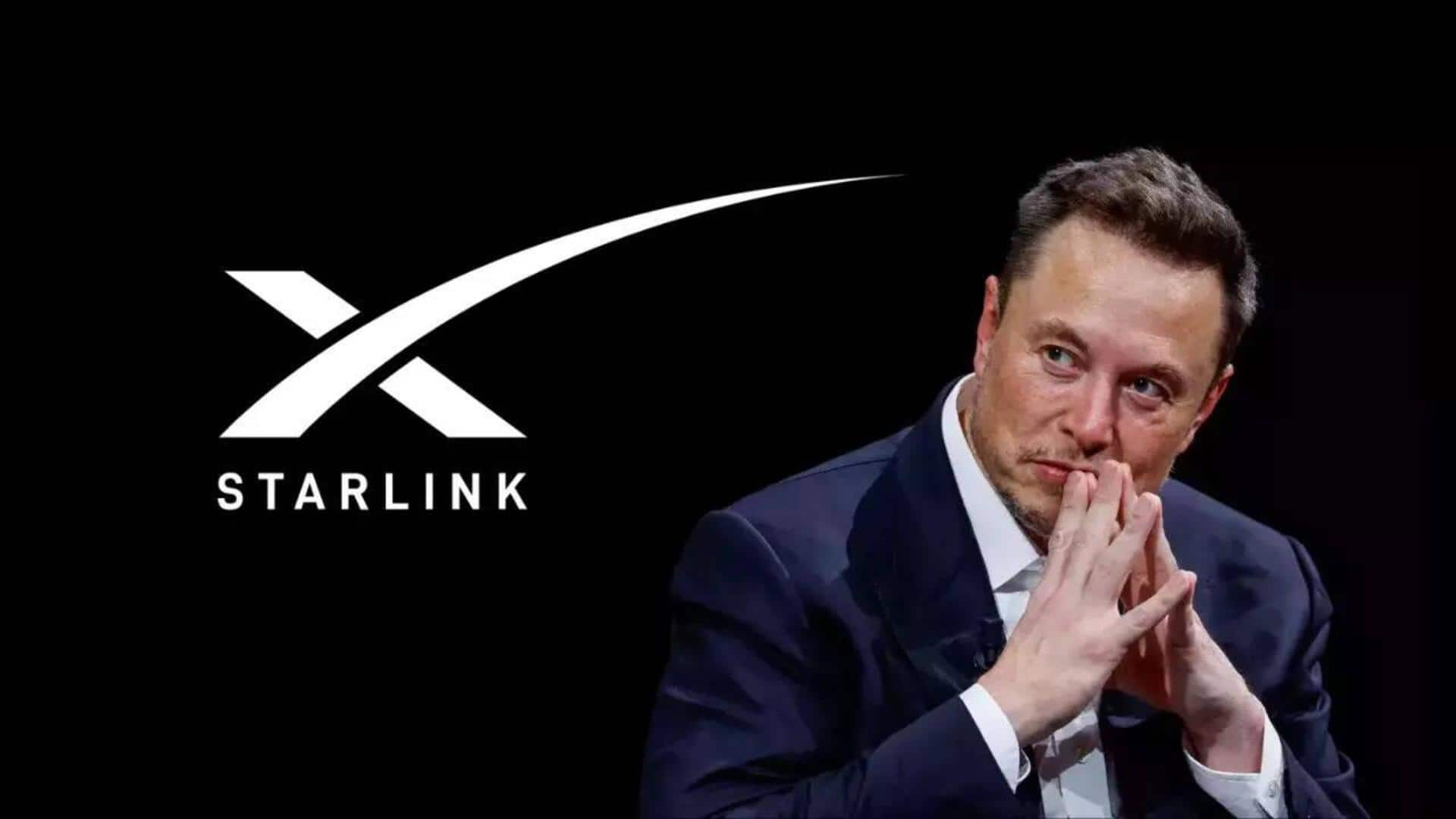
Starlink, which provides satellite internet services in remote and underserved regions around the world, has emerged as a central player in this unfolding drama. Despite the government’s ban, Starlink has continued to provide unrestricted access to “X” for its users in Brazil. In a statement released by the company, Starlink argued that its service is designed to provide uncensored internet access, particularly in regions where traditional infrastructure is lacking or where governments impose undue restrictions on online content.
“Starlink’s mission is to ensure that everyone has access to the internet, regardless of geographic or political boundaries,” the statement read. “We believe in the free flow of information and will continue to provide our users with unfettered access to the global internet.”
Government Response
The Brazilian government has responded with stern warnings, accusing Starlink of violating national laws and threatening to take legal action against the company. Justice Minister Flávio Dino stated that the government would “not tolerate any company, foreign or domestic, undermining our efforts to protect the integrity of our elections and the safety of our citizens.”
Brazil’s telecommunications regulatory agency, Anatel, has also announced that it is considering imposing fines on Starlink and potentially revoking its license to operate in the country. However, such actions could be challenging to enforce, given Starlink’s reliance on a network of low-Earth orbit satellites, which makes it difficult for national governments to control or restrict its services.
Global Implications
The standoff between Starlink and Brazil has significant implications beyond the country’s borders. It highlights the growing tension between national sovereignty and the global nature of digital services. As more countries impose regulations on internet content, tech companies like Starlink, which operate across multiple jurisdictions, may find themselves increasingly at odds with national governments.
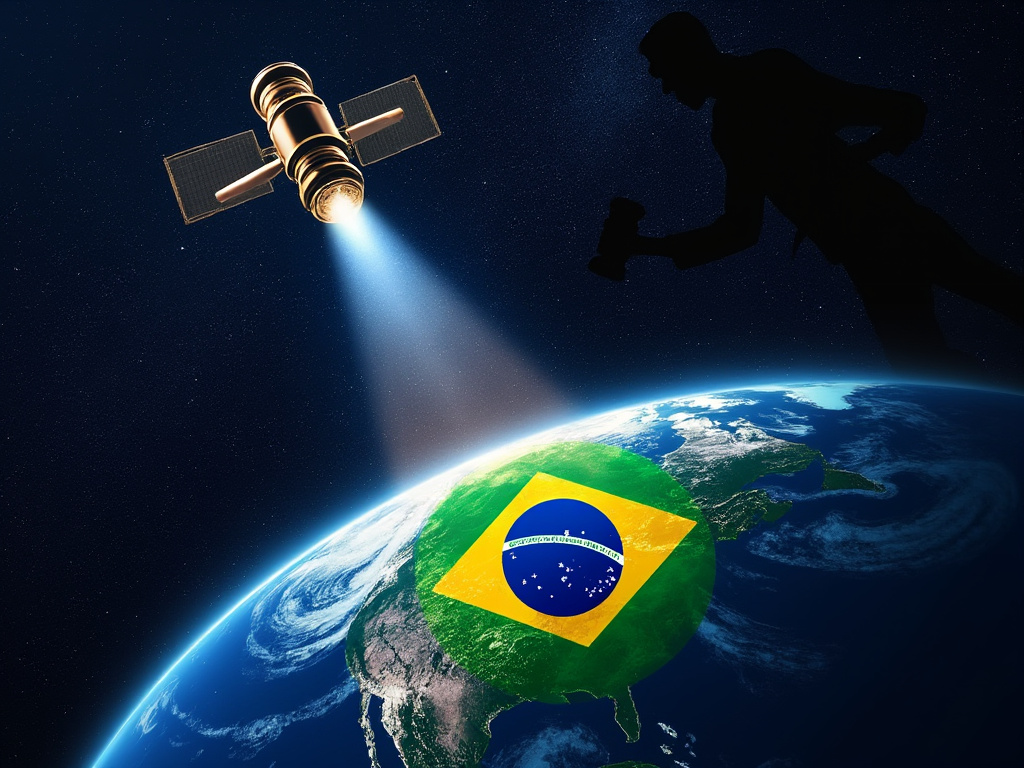
This case also raises questions about the role of satellite internet providers in bypassing traditional forms of censorship. While some hail Starlink’s refusal to comply with the ban as a victory for free speech, others worry that it could lead to a world where tech companies hold more power than governments in shaping the flow of information.
What’s Next?
As the situation develops, all eyes will be on how the Brazilian government responds to Starlink’s defiance. Legal battles are likely, and the outcome could set an important precedent for how global tech companies navigate conflicting national laws.
In the meantime, Starlink users in Brazil continue to access “X” without interruption, enjoying a service that, for now, remains beyond the reach of government censors.