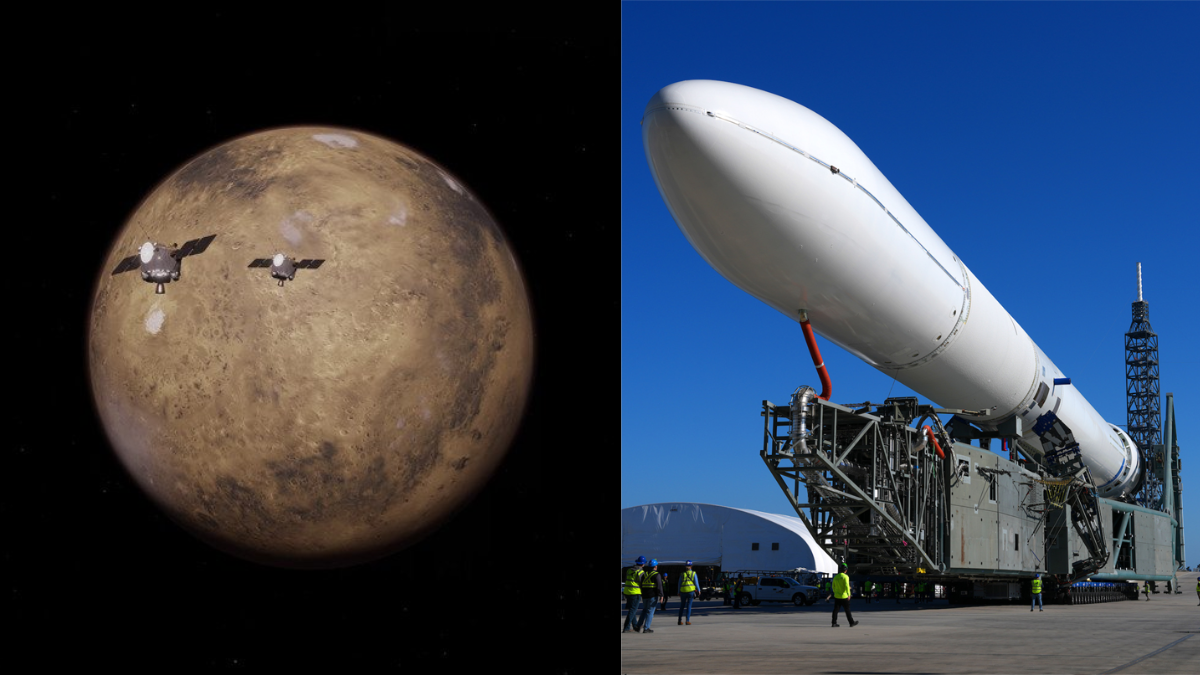
NASA has announced a major delay in its highly anticipated Mars mission, now pushed to 2025, due to unexpected setbacks with the launch vehicle from Jeff Bezos’s space company, Blue Origin. This postponement represents a significant setback for the space agency’s ambitious goals for interplanetary exploration and highlights ongoing difficulties in advancing new space technologies.
The mission, originally scheduled for 2024, was set to use Blue Origin’s New Glenn rocket, designed to transport essential payloads and equipment for the mission. However, recent reports from Blue Origin reveal that the rocket is not yet ready for deployment, leading NASA to adjust its timeline.
“Despite our extensive efforts and strong collaboration with Blue Origin, it is evident that the New Glenn rocket will not be prepared for our initial launch window,” said Dr. Thomas Keller, NASA’s Chief Mission Director. “To ensure the success and safety of the Mars mission, we have had to make the tough choice to reschedule the launch for 2025.”
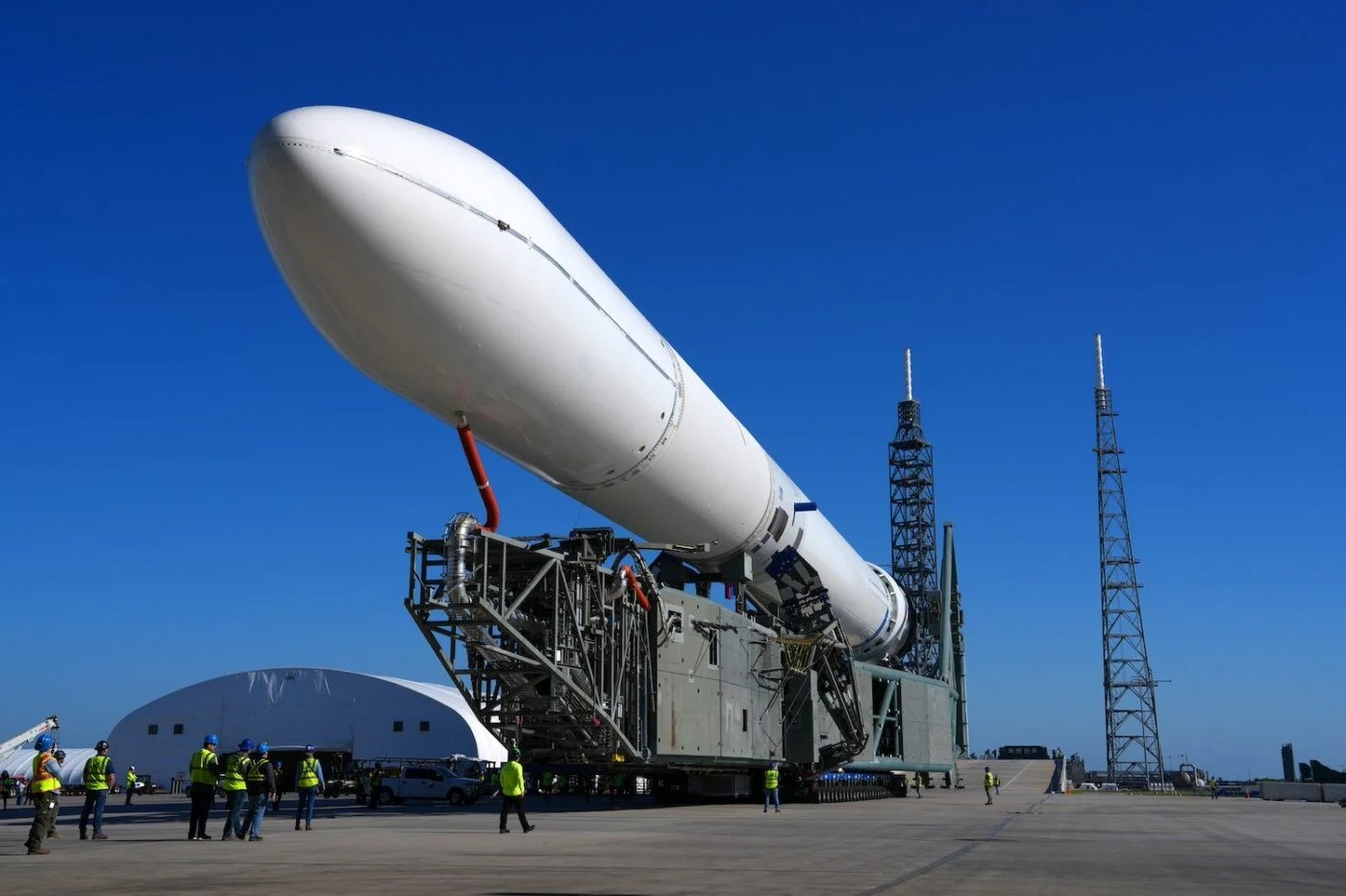
Blue Origin, founded by Jeff Bezos, has been developing the New Glenn rocket as a heavy-lift vehicle essential for future deep space endeavors, including the Mars mission. The company has faced technical issues and delays in the rocket’s development and testing stages.
In response to the delay, Jeff Bezos reaffirmed Blue Origin’s commitment to providing a dependable and secure launch vehicle. “At Blue Origin, we are focused on meeting the highest safety and performance standards for our rockets,” Bezos said. “While we regret the impact of this delay on NASA’s schedule, we are working hard to ensure the New Glenn rocket meets all the necessary criteria for a successful mission.”
Part of NASA’s Artemis program, the Mars mission aims to investigate the surface of the Red Planet, conduct scientific studies, and lay the groundwork for future human exploration. The delay impacts both the mission’s objectives and its timeline, affecting broader goals for interplanetary exploration.
NASA is collaborating closely with Blue Origin to address the technical challenges and accelerate development. Meanwhile, the agency will continue to focus on other aspects of the mission, such as further research, technological improvements, and preparations for the new launch date.
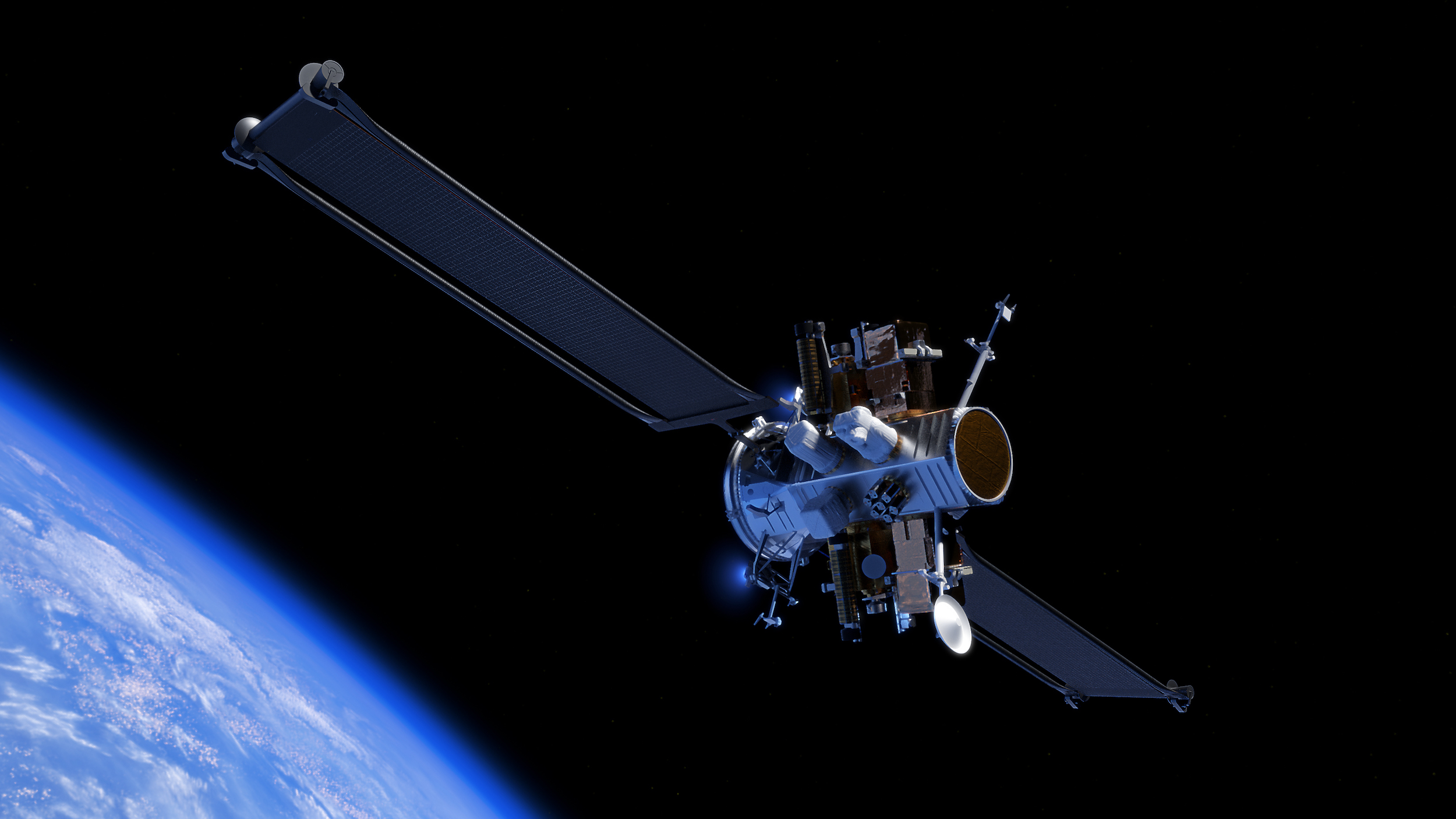
The delay underscores the challenges faced by space agencies and private companies in pushing the frontiers of space exploration. Development delays and technological issues are common in the industry, reflecting the complexity and high stakes involved in such ambitious projects.
Despite the setback, NASA remains hopeful about the Mars program’s future. “We are dedicated to our long-term goal of exploring Mars and advancing human space exploration,” Dr. Keller noted. “This delay provides us with an opportunity to refine our plans and ensure we are thoroughly prepared for a successful mission.”
As Blue Origin continues to advance its New Glenn rocket, attention will be on future developments in space technology and the updated timeline for NASA’s Mars mission. The new launch date in 2025 is anticipated to mark a significant milestone in humanity’s exploration of the Red Planet and beyond.