In a significant move aimed at securing the nation’s communications infrastructure, the U.S. government is set to approve a $3 billion plan to remove Chinese telecommunications equipment from critical networks across the country. The funding, which is part of a broader strategy to address national security concerns, will be allocated to replacing equipment from Chinese companies such as Huawei and ZTE, which have long been accused of posing potential espionage risks.
The plan, which was introduced as part of the National Defense Authorization Act (NDAA) for 2025, is expected to provide financial support to U.S. carriers and telecom operators that have relied on Chinese-made equipment for their networks. The decision comes amid growing bipartisan concerns over the influence of Chinese technology in sensitive sectors, particularly as the U.S. prepares for further technological competition with China.
“We are committed to protecting the security of the American people and ensuring that our communications infrastructure remains free from foreign adversaries who could use it for espionage or cyberattacks,” said Senator Mark Warner (D-VA), a co-sponsor of the bill. “This $3 billion investment is a critical step in safeguarding our national security and ensuring that the U.S. telecommunications network remains secure, resilient, and under American control.”
A Stronger Response to Chinese Influence
The move to remove Chinese telecom equipment from U.S. networks has been in the works for several years, as concerns over the potential for Chinese surveillance and data theft have intensified. Huawei and ZTE, two of China’s largest telecommunications companies, have been at the center of these concerns, with U.S. officials warning that their equipment could be used to spy on American citizens or steal sensitive data.
While both companies have repeatedly denied these allegations, the U.S. government has increasingly pushed for their removal from U.S. telecom networks. In 2019, the Trump administration placed Huawei on a trade blacklist, effectively banning U.S. companies from doing business with the company. Since then, U.S. lawmakers have sought to push through legislation to fund the replacement of Huawei and ZTE equipment, particularly in rural areas where smaller telecom carriers have used the affordable Chinese technology.

The $3 billion funding package, once approved, will provide grants to smaller telecom operators, especially in rural and underserved areas, to help them replace Chinese equipment with alternatives from U.S. or allied companies. It will also help finance the installation of more secure, state-of-the-art infrastructure to ensure that the U.S. telecom system remains competitive and protected from cyber threats.
The Cost and Challenge of Replacing Equipment
Replacing Chinese telecom equipment is expected to be a massive undertaking, with many smaller telecom providers relying heavily on Huawei and ZTE for their networks due to the cost-effectiveness of the equipment. The process of removing and replacing these systems is not only costly but also technically challenging, particularly in rural areas where access to advanced infrastructure may be limited.
For instance, the Federal Communications Commission (FCC) has previously estimated that the total cost of removing and replacing Huawei and ZTE equipment could exceed $1 billion in some cases, depending on the size of the network. The $3 billion allocation is expected to cover only a portion of the costs, with additional funding likely required as the full scope of the project becomes clearer.
The Biden administration has expressed its commitment to supporting these efforts, with the Federal Communications Commission (FCC) expected to play a key role in administering the funds and overseeing the removal process.
“Modernizing our communications infrastructure is not just about improving connectivity — it’s about ensuring our networks are secure and resilient in the face of evolving threats,” said FCC Chairwoman Jessica Rosenworcel. “This funding will help make that vision a reality.”
Reactions from Industry and Lawmakers
Industry groups have largely supported the move, though they acknowledge the significant logistical and financial challenges involved. The U.S. telecom industry has long argued that the reliance on Chinese-made equipment has put many carriers in a difficult position, especially smaller providers that are unable to afford the high cost of replacing the equipment.
“While we fully support the government’s efforts to secure the communications supply chain, it’s important that we provide the necessary support to rural carriers and smaller operators who are disproportionately affected by this issue,” said Gary Shapiro, president of the Consumer Technology Association (CTA). “We need to ensure that the transition to secure, next-generation infrastructure is as seamless and affordable as possible.”
Some lawmakers, particularly those with strong ties to the tech industry, have raised concerns about the potential consequences of removing Chinese equipment on the overall cost of network expansion and deployment, especially in rural areas. Senator John Thune (R-SD), who has been a vocal advocate for rural broadband expansion, cautioned that the push to replace Chinese equipment could lead to delays in building out the nation’s 5G network, a critical area of competition with China.
“I understand the national security concerns, but we need to make sure that this move doesn’t slow down the rollout of next-generation networks,” Thune said. “The last thing we want is for U.S. telecom companies to fall behind in the race for 5G infrastructure.”
Broader Implications for U.S.-China Relations
The $3 billion allocation is part of the broader strategic competition between the U.S. and China, particularly in the realm of technology. As the U.S. seeks to reduce its dependence on Chinese technology, it is also working to strengthen ties with allies and partners, such as Japan, South Korea, and European Union nations, to ensure that global telecom infrastructure is not dominated by Chinese companies.
The U.S. is also pushing for the adoption of secure, open standards for 5G and next-generation telecommunications equipment, which would reduce the likelihood of any single nation controlling the future of global communications.
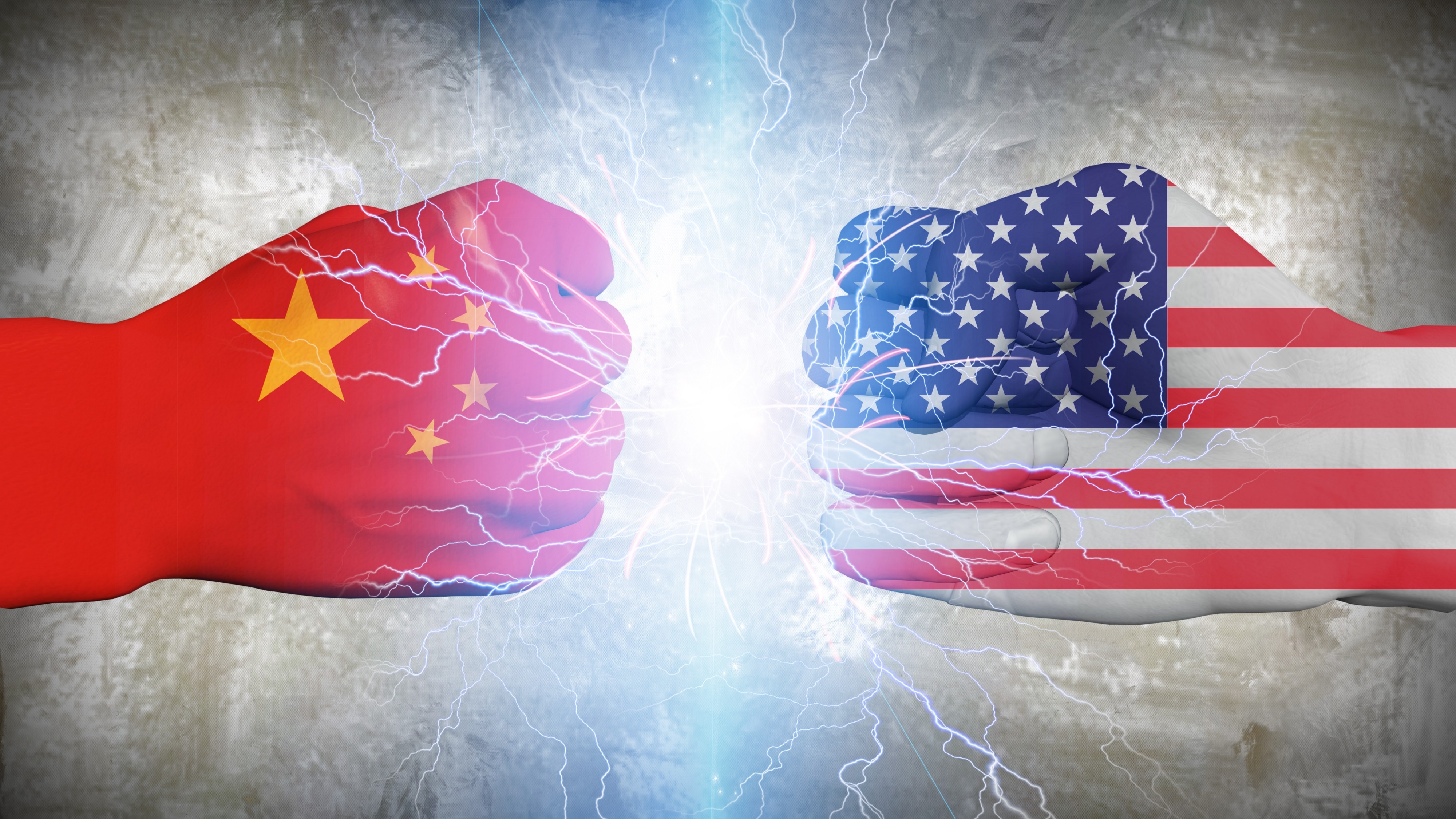
As tensions with China continue to rise, the U.S. government’s decision to allocate $3 billion to remove Chinese telecom equipment marks a clear escalation in efforts to safeguard national security and reduce foreign influence in critical infrastructure.
While the $3 billion funding is a step toward addressing vulnerabilities in U.S. telecom networks, the road ahead remains challenging. The removal of Chinese equipment will take time, and the full costs of the replacement efforts may extend beyond the initial budget.
As the Biden administration moves forward with this initiative, the focus will likely remain on ensuring that U.S. networks are secure, resilient, and competitive in the face of an increasingly complex global technological landscape.