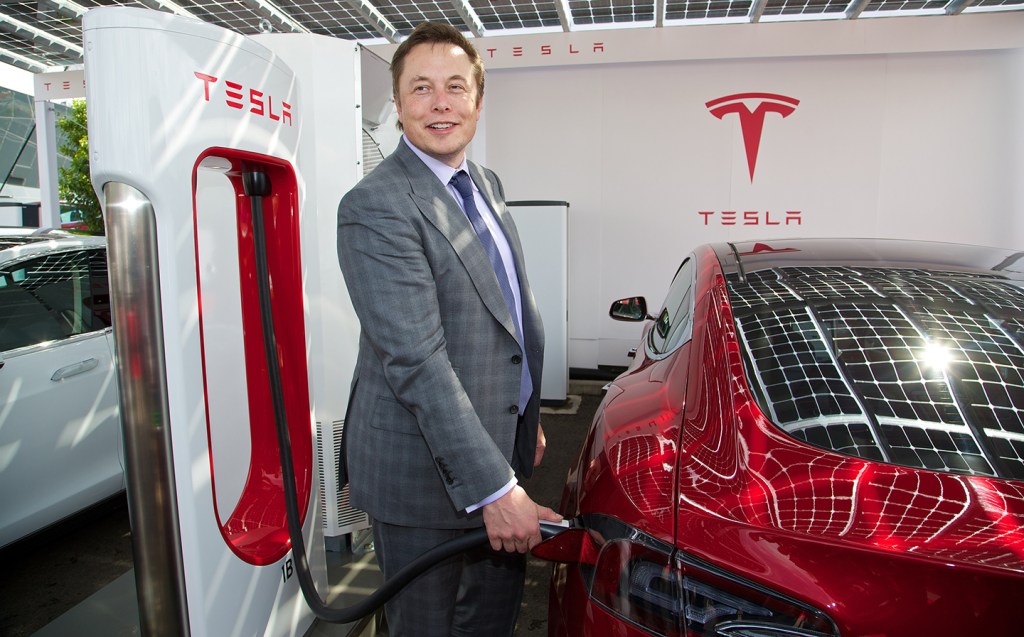
In a startling revelation, allegations have emerged suggesting that billionaire entrepreneur Elon Musk may have utilized funds from Tesla, the electric vehicle company he co-founded and currently leads, to finance the construction of his extravagant glass house. The allegations have sparked concerns about financial impropriety and potential misuse of company resources.
Musk, known for his ambitious ventures and eccentric lifestyle, has long been associated with groundbreaking technological innovations. However, this latest controversy raises questions about the boundaries between personal and corporate finances, and the potential conflicts of interest that can arise.
According to sources close to the matter, Musk’s glass house, an architectural marvel nestled in a prime location, is estimated to have cost several million dollars to construct. It features state-of-the-art design elements, such as glass walls, cutting-edge automation systems, and sustainable energy solutions. While it is not uncommon for wealthy individuals to invest in luxurious residences, the allegation that Tesla funds were involved adds a concerning twist to the situation.
Critics argue that such an alleged diversion of company funds for personal use could raise ethical and legal concerns. The transparency and integrity of Tesla’s financial practices have been central to its success, and any breach of trust could have significant repercussions for the company and its shareholders. As one of the world’s most valuable automakers, Tesla’s reputation and public perception are of utmost importance.
Musk, known for his active presence on social media, took to Twitter to address the allegations. In a series of tweets, he vehemently denied any wrongdoing and labeled the accusations as baseless. He emphasized that the construction of his glass house was a personal project financed with his own resources and separate from Tesla’s financial operations.
While Musk’s denial may provide some reassurance, stakeholders and regulatory authorities are likely to scrutinize the situation closely. The potential misuse of company funds, even by high-profile figures, raises red flags and can trigger investigations to ensure corporate governance standards are upheld.
Tesla, as a publicly traded company, is subject to regulatory oversight and is expected to operate in the best interests of its shareholders. Any evidence supporting the allegations could lead to legal repercussions and damage the reputation of both Musk and the company.
It is important to note that at this stage, the allegations are still unproven, and further investigations will be necessary to establish the veracity of the claims. Shareholders, industry analysts, and the public will be eagerly awaiting the outcome of these investigations to determine the impact on Tesla’s operations and Musk’s standing as a prominent entrepreneur.
As the situation unfolds, the focus will be on maintaining transparency, corporate accountability, and upholding the highest ethical standards. The outcome of the investigations will have far-reaching implications, not only for Tesla but also for the broader discussions surrounding corporate governance and the boundaries of personal wealth in the context of public companies.