US Stock Market Climbs After Trump Lowers ‘Reciprocal’ Tariffs to 10% for All Countries but China
The US stock market experienced a significant rally following President Donald Trump’s decision to reduce the newly imposed “reciprocal” tariffs to 10% for all countries, excluding China, which remains subject to higher duties. This move was in response to mounting pressure from global markets and domestic business leaders concerned about the economic impact of escalating trade tensions.
In the days following the announcement, major indices surged: the Dow Jones Industrial Average rose 4.95%, the S&P 500 climbed 5.7%, and the Nasdaq Composite surged 7.3%. Tech stocks, in particular, saw substantial gains, with companies like Palantir, DoorDash, and Netflix leading the charge. Despite these gains, all indices remain below key technical indicators, and market volatility persists.

The tariff reductions were part of a broader strategy to ease tensions with international trading partners and stabilize the financial markets. However, the 10% baseline tariff on imports from countries other than China remains in effect, and additional duties on specific sectors, such as steel and aluminum, continue to apply. The decision to maintain higher tariffs on Chinese goods underscores the ongoing trade dispute between the US and China.
While the market’s immediate reaction has been positive, analysts caution that the long-term economic implications remain uncertain. The Federal Reserve and other financial institutions have expressed concerns about the potential for inflation and slowed economic growth if trade tensions continue. Investors are advised to monitor developments closely, as the situation remains fluid and subject to change.
Gumtree Australia Markets Explores Sale of HotCopper Amidst Strategic Shift
Gumtree Australia Markets, the parent company of Australia’s leading online classifieds platform Gumtree, is reportedly exploring the sale of its financial services forum, HotCopper. This move aligns with the company’s strategic focus on its core classifieds businesses—Gumtree, CarsGuide, and Autotrader—following their acquisition in August 2022 for $87 million.
Established in 1994, HotCopper has evolved into Australia’s largest independent, fee-free trading forum for ASX stock market investors, boasting a vibrant community and significant daily engagement. The potential sale of HotCopper underscores Gumtree Australia Markets’ intent to streamline operations and concentrate resources on its primary online classifieds platforms.
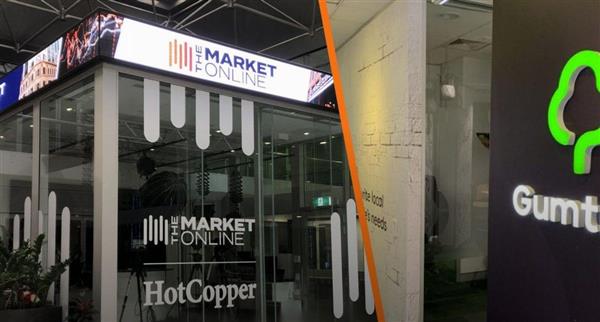
The company, formerly known as The Market Herald, has undergone a series of transformations, including the rebranding to The Market Limited in November 2023. This rebranding reflects a broader strategic shift towards digital media and away from traditional financial news reporting.
As discussions regarding the potential sale of HotCopper progress, industry observers are keenly watching how this move will impact the competitive landscape of Australia’s digital media and online classifieds sectors. The outcome may have significant implications for both investors and users engaged with HotCopper’s platform.
This Chart Explains Why Trump Backflipped on Tariffs: The Economic Damage Would Have Been Huge
A recent economic analysis has shed light on why former President Donald Trump reversed his course on sweeping new tariffs. A detailed projection revealed that the proposed tariff hikes could have inflicted significant damage on the U.S. economy, both in the short and long term.
The chart in question showed that real GDP could have dropped by over half a percent in 2025 alone, with the cumulative impact potentially wiping out more than $1.4 trillion from the economy by 2028. These figures reflect not only reduced consumer spending and higher prices but also the knock-on effects across key industries like automotive, energy, and agriculture.
The tariffs were initially pitched as a way to level the global playing field, but they quickly drew criticism from business leaders, economists, and global allies. As supply chain disruptions and inflation concerns mounted, the political and economic pressure to reverse course became overwhelming.
This economic reality, starkly visualized in the data, played a critical role in the administration’s decision to scale back the tariffs to 10% for all countries except China—mitigating some of the immediate risks while maintaining a hard stance in ongoing trade disputes.
RayGen Secures $76 Million in Series D Funding, Marking One of Australia’s Largest Clean-Tech Capital Raises
Melbourne-based renewable energy company RayGen has successfully raised $76 million in its Series D funding round, positioning it among Australia’s most substantial clean-tech capital raises. The investment was led by global technology firm SLB, which contributed $31 million (US$20 million), and Breakthrough Victoria, which invested $20 million.Existing investors, including Equinor Ventures, AGL Energy, Photon Energy Group, Chevron Technology Ventures, and the Australian Renewable Energy Agency (ARENA), also participated, underscoring strong confidence in RayGen’s innovative technologies.
RayGen specializes in advanced solar and energy storage solutions, combining concentrating photovoltaic (PV) generation with thermal hydro long-duration energy storage. This integrated approach addresses the intermittency challenges of renewable energy by delivering dispatchable power. The company’s flagship project in Carwarp, Victoria, stands as the world’s largest operational thermal hydro storage facility, capable of providing 17 hours of continuous grid power.
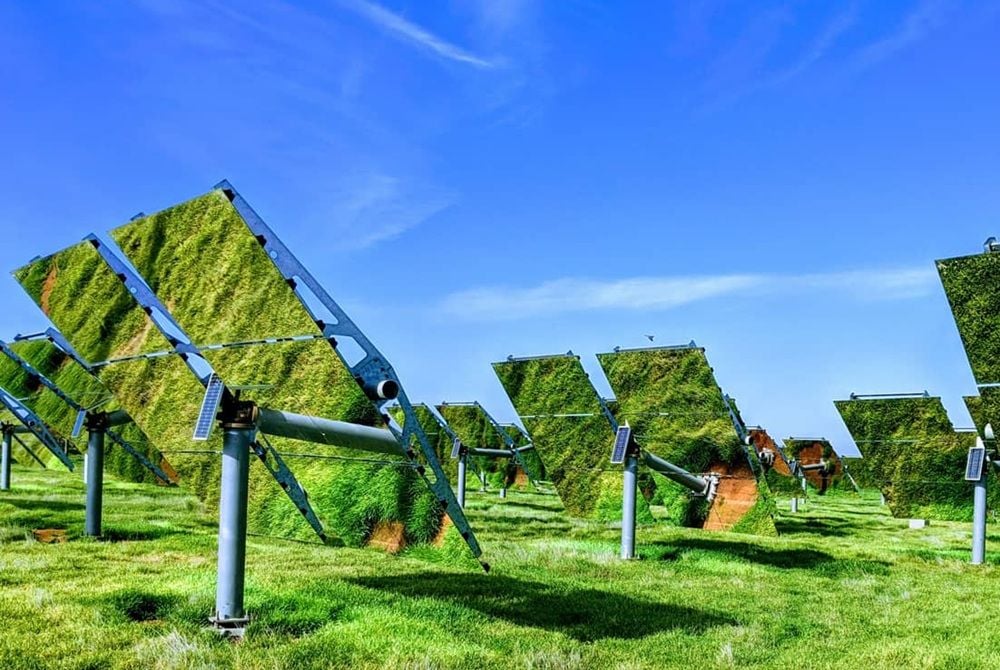)
The funds from the Series D round are earmarked to enhance RayGen’s manufacturing capabilities, including the construction of a new facility in Hawthorn East, Melbourne, with an annual production capacity of 170 MW. This expansion aims to meet the growing demand for RayGen’s technology both domestically and internationally. Additionally, a Strategic Deployment Agreement with SLB will facilitate global market expansion, leveraging SLB’s extensive sales and engineering support.
RayGen’s innovative approach aligns with global efforts to transition to sustainable energy sources, offering scalable solutions for long-duration energy storage and reliable renewable power generation.
Opthea Faces Financial Turmoil Following Failed Clinical Trial
Melbourne-based biotech company Opthea is confronting significant financial and operational challenges after its pivotal Phase 3 COAST trial failed to meet primary endpoints. The trial assessed the efficacy of sozinibercept in combination with aflibercept for treating wet age-related macular degeneration (AMD). This outcome raises concerns about the company’s solvency, especially under a Development Funding Agreement (DFA) with investors, which could obligate Opthea to repay up to four times the funds received, potentially impacting its financial stability.
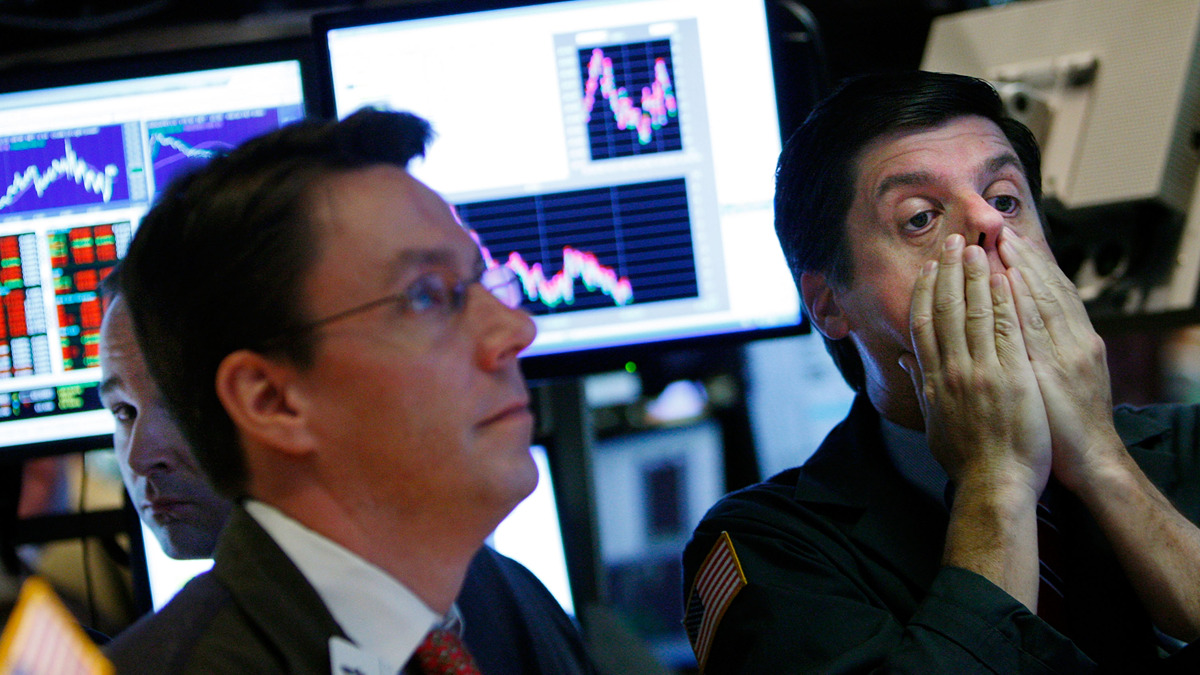
In response to these developments, Opthea is reportedly reducing its workforce by approximately 65% to conserve cash.This measure aligns with industry practices, as similar companies have made significant staff cuts following unsuccessful clinical trials. For instance, Ophthotech Corporation reduced about 80% of its workforce after its trials failed, aiming to reallocate resources and focus on updated business strategies.
As Opthea navigates these challenges, its ability to recover will depend on strategic decisions, including potential renegotiations of funding agreements, strategic partnerships, and a clear focus on viable therapeutic areas. The company’s next steps will be critical in determining its future trajectory in the competitive biotech landscape.