A satellite funded with $100 million from Jeff Bezos has gone dark in orbit, effectively ending a highly anticipated climate mission less than two years after launch. The satellite, called MethaneSat, was built to monitor global methane emissions with precision never before seen from space. But after losing contact in late June, mission engineers now believe the satellite is permanently lost.
The incident marks a disappointing setback for one of the most ambitious privately funded climate-monitoring projects ever attempted. MethaneSat was developed by a leading environmental organization with financial support from Bezos’s Earth Fund, a multi-billion-dollar initiative dedicated to tackling climate change.
A Mission With Purpose
Methane is one of the most potent greenhouse gases, trapping heat at roughly 80 times the rate of carbon dioxide over a 20-year period. It is also notoriously underreported in global emissions inventories. MethaneSat aimed to change that by providing governments, scientists, and the public with accurate, transparent, and global data on methane emissions.

The satellite was launched in March 2024 aboard a commercial rocket and placed into a polar orbit, where it began scanning key oil and gas production regions. The data it collected was intended to identify large leaks—sometimes referred to as “super-emitters”—that would otherwise go undetected by ground-based systems.
In its short operational life, MethaneSat was already producing groundbreaking insights. Early scans revealed emissions from some energy-rich regions were several times higher than official estimates. These findings had the potential to reshape climate policy, corporate accountability, and even international environmental agreements.
Silent Over Svalbard
The mission came to a halt in late June when communication was unexpectedly lost while MethaneSat passed over the Svalbard archipelago in the Arctic. Despite several recovery attempts, engineers were unable to reestablish contact.
Telemetry analysis later indicated a sudden loss of power, leading mission control to conclude that the satellite suffered a critical system failure—possibly related to its battery or power management systems. With no ability to receive commands or transmit data, MethaneSat is now classified as non-operational.
The satellite remains in orbit, but without power or communication, there is little hope of restoring its functionality. While it poses no immediate collision threat, it now joins the growing list of “dead” satellites circling Earth.
A Costly but Valuable Loss
Despite the disappointing end, scientists involved in the project maintain that MethaneSat’s mission was not in vain. The satellite had already collected months of valuable climate data before the failure. Much of that data is still being analyzed and is expected to contribute to methane reduction strategies and environmental reporting efforts.
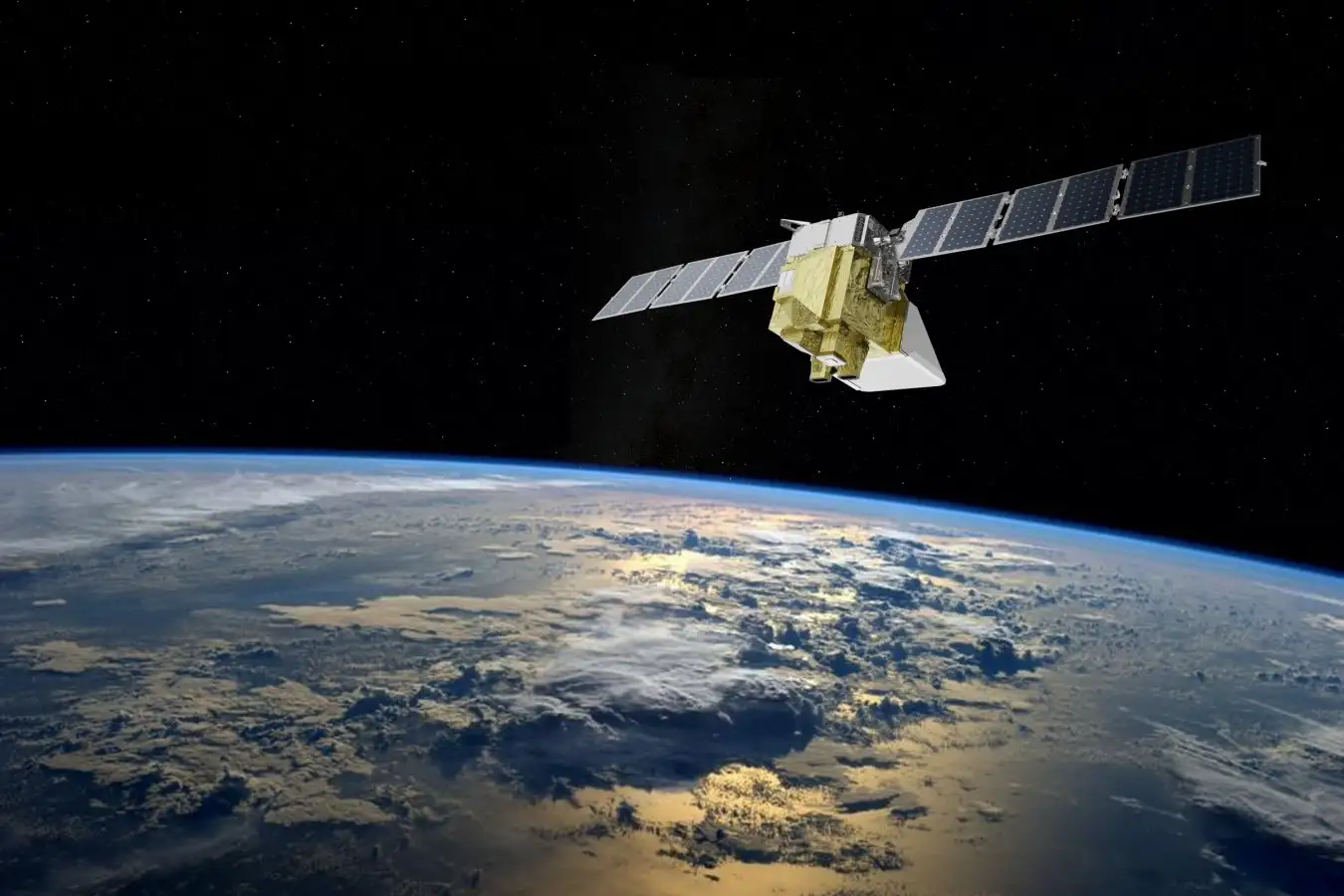
Bezos’s Earth Fund had made the $100 million contribution to support the mission’s design, construction, and deployment. The satellite was also notable for combining advanced imaging sensors with AI-driven analytics tools—creating one of the most sophisticated Earth observation systems ever launched for methane tracking.
While insurance may cover part of the financial loss, it’s unclear whether a replacement satellite is being planned. For now, researchers will continue methane surveillance using aircraft systems and other satellites, though none offer the dedicated focus or detail of MethaneSat.
A Setback for Climate Oversight
The sudden failure of such a high-profile mission raises questions about the fragility of private-sector climate infrastructure. As more environmental monitoring tools move into orbit, mission durability and risk mitigation are becoming increasingly important.
Still, those involved in the mission hope that MethaneSat will serve as a model for future efforts—proving that even privately funded climate projects can make meaningful contributions to science, transparency, and policy.
Though the satellite is lost, the mission’s broader legacy—combining innovation, urgency, and public accountability—may endure far beyond its short time in space.