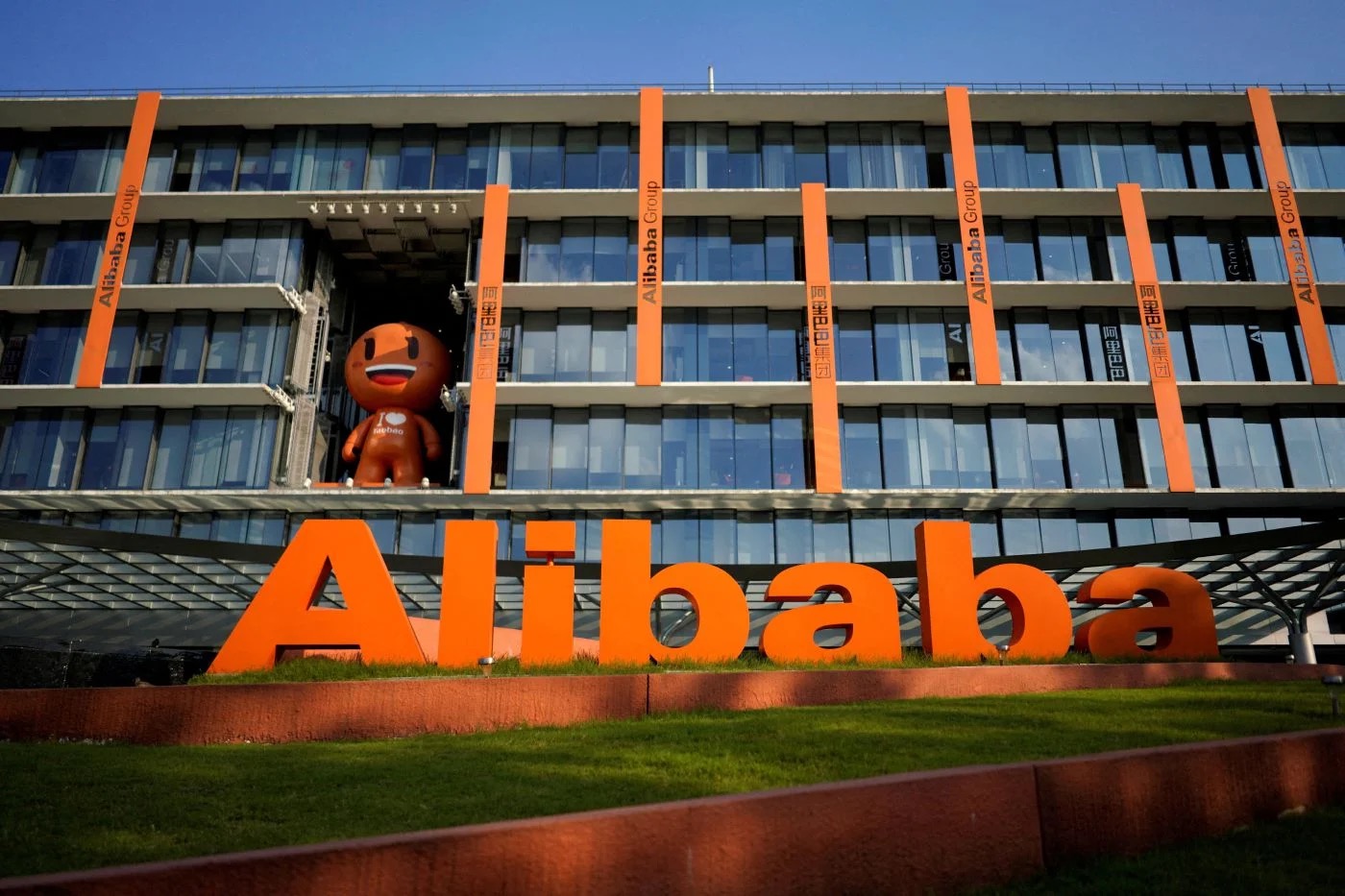
Chinese technology giant Alibaba is preparing to integrate its artificial intelligence model Qwen into its flagship e-commerce platform Taobao, marking a major step toward what industry insiders describe as “agentic shopping” — an AI-powered retail experience where digital assistants can independently help users search, compare, recommend and purchase products through natural conversation.
According to people familiar with the matter, the integration aims to transform the online shopping experience from a traditional search-and-click model into an interactive AI-driven ecosystem. Consumers using Qwen would be able to communicate directly with an intelligent assistant capable of understanding complex shopping requests, offering personalized recommendations and even completing purchases on behalf of users.
The initiative represents one of Alibaba’s most ambitious AI deployments to date as competition intensifies among China’s technology firms to commercialize generative artificial intelligence. By embedding Qwen deeply into Taobao’s ecosystem, Alibaba hopes to create a more seamless, personalized and automated shopping environment that could reshape how consumers interact with e-commerce platforms.
The proposed system would reportedly connect Qwen with the vast inventory available across Taobao and Tmall, Alibaba’s major online retail marketplaces. Rather than manually scrolling through pages of listings, shoppers could ask the AI assistant conversational questions such as finding the best laptop within a specific budget, comparing skincare products based on ingredients or locating clothing styles suited to particular occasions.

The assistant would then generate recommendations tailored to user preferences, browsing habits and purchase history. Industry observers believe such AI-driven personalization could significantly improve conversion rates and customer retention while reducing the time consumers spend searching for products.
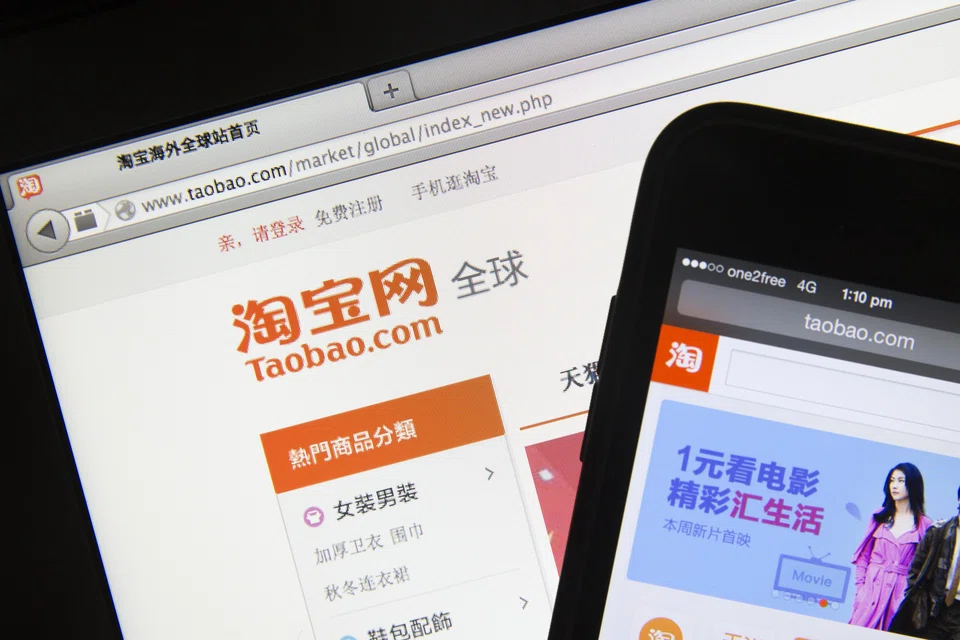
Alibaba is also expected to introduce advanced shopping tools powered by Qwen directly within the Taobao app. These may include virtual try-on features for clothing and cosmetics, AI-generated product summaries and automated price-tracking systems that alert users when items become cheaper. Some reports suggest the platform could even provide personalized fashion styling advice or generate curated shopping lists for users based on seasonal trends and past purchases.
The broader goal appears to be the development of an “agentic commerce” model — a concept gaining traction in the technology industry where AI systems do more than respond to prompts and instead perform tasks autonomously on behalf of users. In retail, this means AI agents capable of managing entire shopping journeys, from product discovery and comparison to payment processing and after-sales support.
Analysts say the move could significantly alter the competitive landscape of China’s e-commerce industry. Traditional online marketplaces have long relied on advertising-driven product placement and keyword-based search systems. AI agents, however, could shift power toward conversational recommendation systems where users depend more heavily on automated suggestions than browsing behavior.
For Alibaba, the timing is particularly important. The company has faced growing competition from rivals such as Tencent, ByteDance and emerging AI startups racing to establish leadership in generative AI applications. While Alibaba has invested heavily in cloud computing and large language models, integrating AI into high-frequency consumer services like online shopping could provide a more direct path to monetization.
Qwen has already become one of China’s most prominent AI models, with Alibaba continuously expanding its capabilities across language understanding, image generation and multimodal tasks. The company has introduced several iterations of the model over recent months as it seeks to compete with global AI leaders and strengthen its presence in China’s rapidly evolving artificial intelligence sector.
The integration with Taobao may also help Alibaba capitalize on China’s enormous digital commerce ecosystem. China remains the world’s largest e-commerce market, and consumer behavior there is often more receptive to super-app style ecosystems where messaging, shopping, payments and entertainment coexist within unified platforms. AI-powered shopping assistants could further deepen user engagement and increase the amount of time consumers spend within Alibaba’s ecosystem.
Industry experts believe the strategy reflects a broader shift in how technology companies envision the future of internet platforms. Instead of users actively navigating apps and websites, AI agents may increasingly serve as intermediaries that make decisions, execute tasks and manage transactions automatically. This transition could redefine digital advertising, search rankings and customer acquisition strategies across the retail sector.
The development also highlights the growing race between Chinese and Western technology companies to commercialize AI in consumer applications. While companies such as Amazon and Shopify have experimented with AI shopping tools, Chinese firms are moving aggressively toward fully integrated conversational commerce ecosystems.
Some analysts caution, however, that the success of agentic shopping will depend heavily on user trust and accuracy. Consumers may hesitate to allow AI systems to make purchasing decisions without transparency regarding recommendations, pricing and sponsored content. Privacy concerns surrounding personal shopping data and AI-driven profiling could also emerge as regulatory issues.
Still, Alibaba appears determined to position itself at the forefront of AI-enabled commerce. By combining Qwen’s conversational capabilities with Taobao’s massive retail infrastructure, the company is betting that the next generation of online shopping will be driven less by search bars and more by intelligent digital agents capable of understanding and anticipating consumer needs in real time.