Apple is preparing to unveil a major shift in its mobile software strategy at the upcoming Worldwide Developers Conference (WWDC), announcing iOS 26 and skipping several version numbers in the process, including iOS 19. The decision marks a new chapter in how Apple approaches software versioning and reflects the company’s broader push for consistency across its platforms.
Rather than continuing with iOS 18 or 19, Apple has chosen to jump directly to iOS 26. This versioning overhaul is not an error or a marketing gimmick — it’s a calculated move to align iOS with the rest of Apple’s operating systems. All major Apple platforms — including iPadOS, macOS, watchOS, tvOS, and visionOS — are expected to adopt the “26” version number, bringing all of Apple’s operating systems under a unified numbering system for the first time.
This change is aimed at simplifying development and communication. In recent years, Apple’s various OS platforms have had mismatched version numbers, causing some confusion for developers working across multiple devices. By aligning them all, Apple hopes to create a more intuitive and streamlined experience for both developers and users.
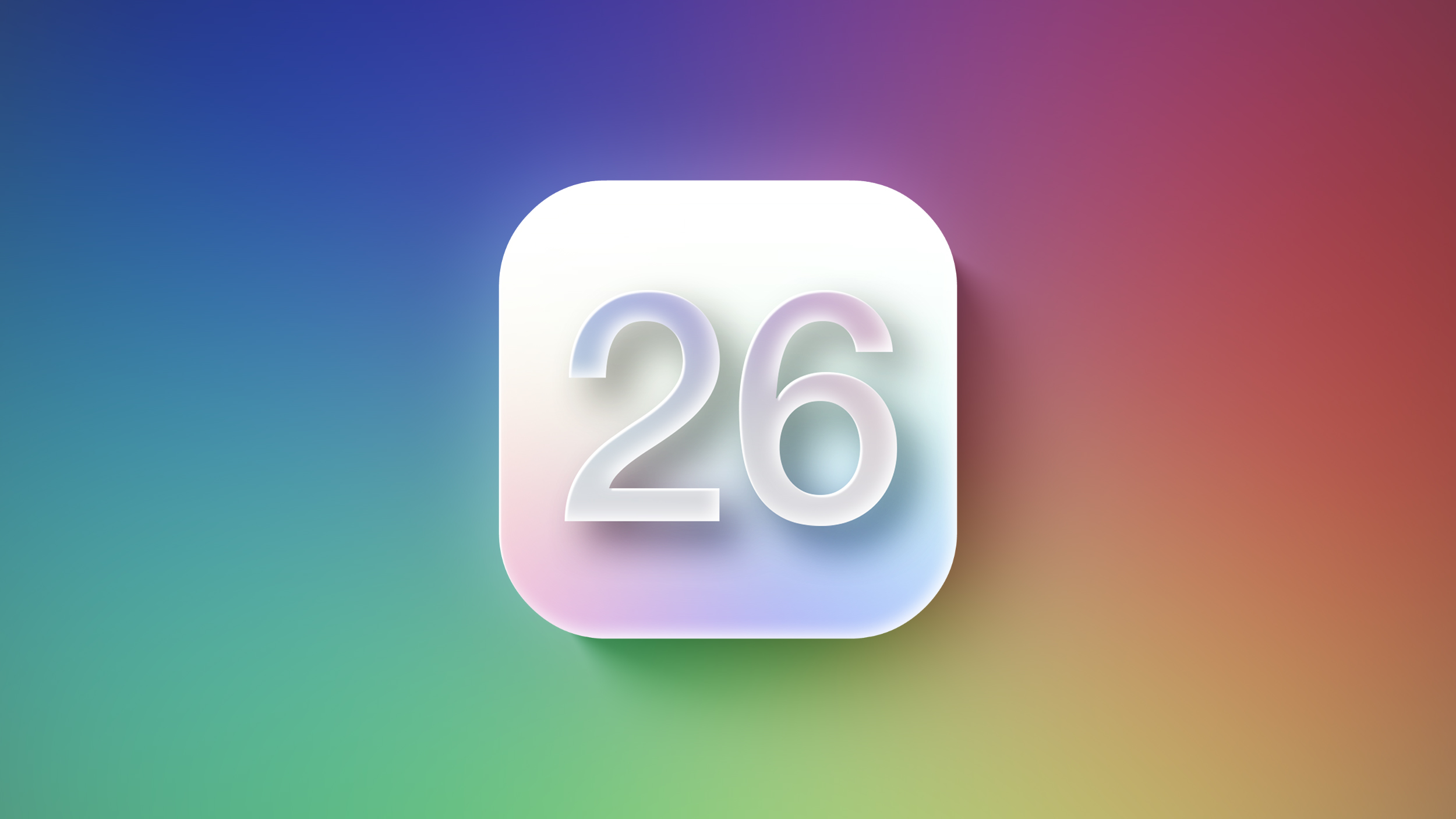
Major Redesign Incoming
With iOS 26, Apple is also expected to deliver one of the most significant visual overhauls in the iPhone’s history. Inspired by the company’s work on the Vision Pro headset and its spatial computing platform, visionOS, the new design is rumored to include more immersive, fluid interface elements and reimagined app icons.
System-level changes may include updated control center layouts, redesigned notifications, and enhancements to multitasking on larger-screen iPhones. This visual evolution is expected to bring iOS closer in look and feel to Apple’s next-generation operating systems, offering a more cohesive experience for users switching between devices.
Apple has been refining its design language in recent years, but iOS 26 could mark the most noticeable shift since iOS 7, which introduced flat design. Early previews are expected during the WWDC keynote, with developer and public betas launching soon after.
Artificial Intelligence Takes Center Stage
In addition to design updates, iOS 26 will also be Apple’s most AI-driven mobile operating system to date. The company has been quietly investing in on-device AI, and this year’s release will likely highlight a suite of new intelligent features.
Upgrades to Siri are expected to include more natural conversations, deeper context awareness, and tighter integration across Apple’s app ecosystem. AI will also be used to improve everyday tasks like writing emails, organizing photos, summarizing messages, and providing proactive suggestions based on user behavior.
Importantly, Apple plans to emphasize privacy and security, keeping most AI processing on the device itself rather than relying on cloud-based systems. This approach stands in contrast to some of Apple’s competitors and may help the company maintain its reputation for safeguarding user data.

The decision to align all software versions to “26” highlights Apple’s growing focus on a unified ecosystem. iPadOS 26 and macOS 26 will likely bring more shared features with iOS 26, including consistent widgets, universal app designs, and cross-platform syncing enhancements. watchOS 26 and tvOS 26 are also expected to adopt the new versioning, although with more modest feature updates.
Apple’s strategy is clear: reduce fragmentation, streamline development, and present a single, cohesive platform experience. With devices increasingly working together — from iPhone to Vision Pro — a unified software base makes both technical and branding sense.
WWDC 2025: What to Expect
Apple will officially unveil iOS 26 during its WWDC keynote, which kicks off June 9. The event will highlight the new operating system’s features, design changes, and developer tools. Following the announcement, developer betas will become available, with public betas launching in the summer and the full release expected in the fall alongside the iPhone 17 lineup.
As Apple moves forward with iOS 26, it’s not just launching a new version of iPhone software — it’s reshaping the foundation of its entire digital ecosystem. This leap in versioning underscores a new era for Apple’s platforms, one defined by cohesion, intelligence, and a bold reimagining of the user experience.