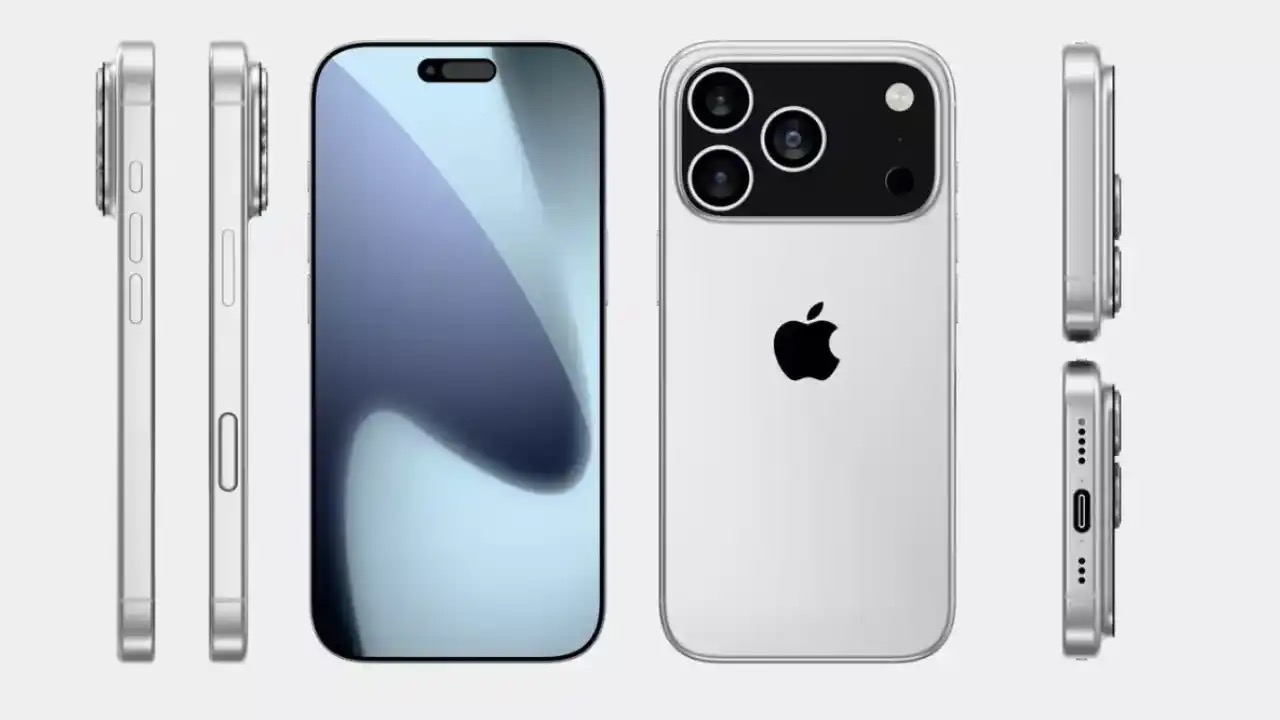
Apple is reportedly preparing to give its flagship iPhone lineup one of its biggest visual upgrades yet: the introduction of a new Ultra Retina XDR display, aimed at delivering superior brightness, color accuracy, and display longevity. If implemented as expected, this next-generation display would debut with the iPhone 17 Pro and iPhone 17 Pro Max later this year.
This move would mark a major shift in Apple’s screen technology, further enhancing the iPhone’s reputation for having some of the best smartphone displays in the industry.
A Major Leap in Display Technology
Apple has steadily evolved its iPhone display lineup over the years — from the original Retina display, to Super Retina, and more recently, Super Retina XDR. Now, the company appears ready to take the next step with Ultra Retina XDR, a display expected to feature tandem OLED technology.
Unlike standard OLED panels, which use a single emissive layer, tandem OLED stacks two layers on top of each other. This allows for greater brightness and improved efficiency without increasing the strain on individual pixels. In simple terms, it means more vibrant visuals, better outdoor visibility, and reduced risk of screen burn-in over time.
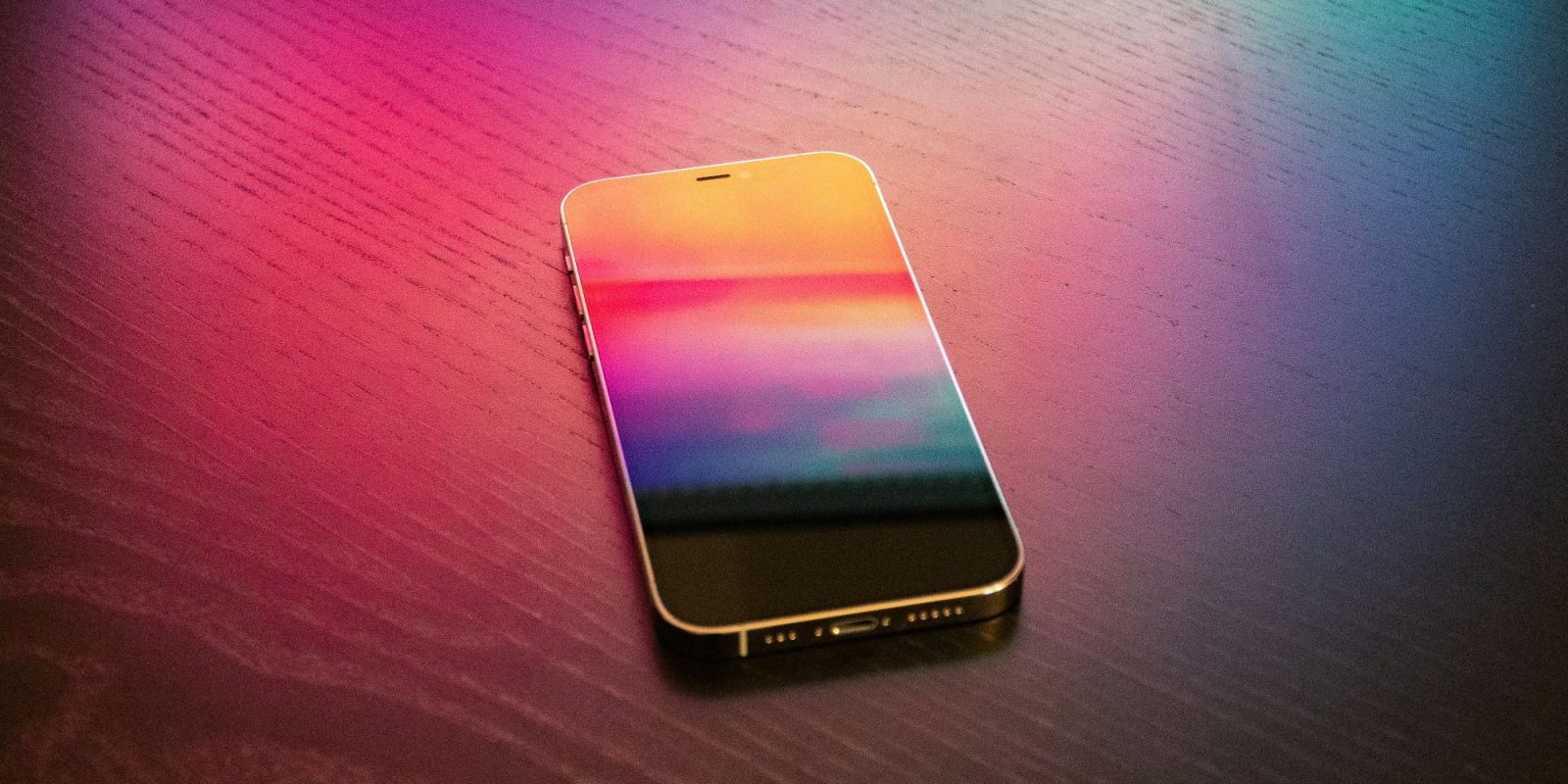
The iPhone has already been known for delivering strong visual performance, but this new display could take that reputation to an entirely new level.
What Users Can Expect
If the Ultra Retina XDR display reaches the iPhone, users can expect a number of noticeable improvements across everyday use and professional tasks:
- Brighter screens: The new panel may offer sustained full-screen brightness levels exceeding 1,000 nits, making it more readable in direct sunlight.
- Improved HDR performance: The screen is expected to support even higher peak brightness during HDR playback, making movies and photos look more lifelike and immersive.
- Better energy efficiency: The dual-layer structure spreads out power demands across two emissive layers, potentially reducing power consumption and improving battery life during screen-intensive activities.
- Greater durability: Tandem OLED can extend screen longevity by reducing pixel degradation, a particularly welcome improvement for users who keep their iPhones for multiple years.
These benefits may be especially useful for content creators, gamers, and anyone who uses their phone for extended viewing or editing sessions.
Likely Reserved for the Pro Lineup
Historically, Apple introduces its most advanced hardware features in its Pro models before rolling them out to the rest of the lineup. Based on current trends, it is likely that only the iPhone 17 Pro and iPhone 17 Pro Max will get the Ultra Retina XDR upgrade at launch.
These models have traditionally received the most premium features, including advanced camera systems, LiDAR sensors, higher refresh rate displays, and the latest chips. Bringing Ultra Retina XDR to the Pro tier would align with Apple’s strategy of using display technology as a key differentiator.
Consumers looking to upgrade to the most visually advanced iPhone experience will likely have to opt for one of these higher-end models, at least initially.
Continued Focus on Visual Excellence
Apple has always placed a strong emphasis on display quality across its devices. The company was among the first to bring high-density screens to smartphones, and it has consistently set industry standards for brightness, color calibration, and touch responsiveness.
The Ultra Retina XDR display would continue that legacy, building on the company’s goal of offering the most natural, accurate, and immersive visual experience possible on a smartphone.
While many smartphone makers have been experimenting with foldable screens, curved panels, and under-display cameras, Apple has focused on incremental improvements to screen quality that enhance everyday usability without compromising durability or efficiency.
Power Efficiency and Practical Impact
One of the most anticipated benefits of the Ultra Retina XDR panel is its power efficiency. With the ever-growing demands of AI, high-refresh-rate apps, and video editing tools on iPhones, battery life remains a top priority for users.
Tandem OLED technology allows for brighter screens at lower voltages, reducing heat output and lowering strain on the battery. This could result in improved battery life during activities like video playback, gaming, or viewing HDR content—especially helpful as iPhones become central devices for both work and entertainment.
The power-saving potential of the new display could also support Apple’s broader environmental goals by reducing the energy footprint of each device without sacrificing performance.
The Bigger Picture: A Smart Upgrade
In the broader context of the iPhone’s evolution, the move to Ultra Retina XDR would not be just about bigger numbers or flashier visuals—it would be a carefully calculated enhancement meant to future-proof the device.
As users increasingly rely on iPhones for tasks like mobile photography, 4K video editing, gaming, and multitasking, the screen becomes even more critical. It’s not just a viewing window—it’s the main interface between user and machine. Improving that interface in meaningful, tangible ways strengthens the iPhone’s standing as a premium, professional-grade device.
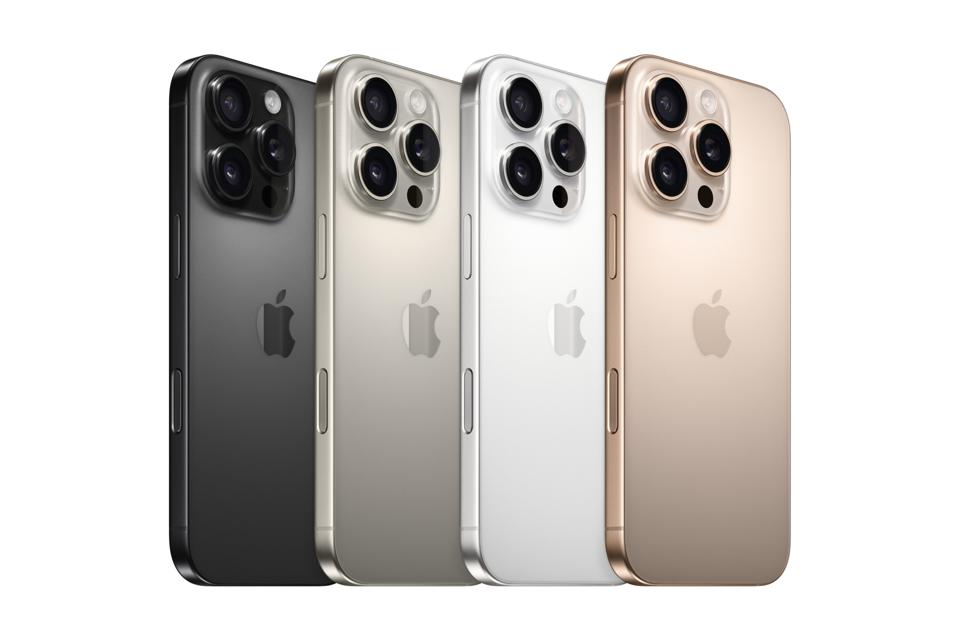
Moreover, with Apple expected to unveil AI-powered features across iOS 19, having a more powerful and efficient display will likely complement those upgrades, ensuring that both content and interface are delivered with maximum clarity and responsiveness.
Looking Ahead
Apple is expected to unveil its iPhone 17 lineup in its usual September keynote. If the Ultra Retina XDR display does make its debut, it will likely be presented as a cornerstone feature—offering users a brighter, more durable, and more energy-efficient screen experience.
The upgrade may also set the stage for future innovations across Apple’s product ecosystem, potentially influencing the display design of upcoming iPads, Macs, and even wearables.
For now, anticipation is building as Apple prepares to raise the bar once again—not with flashy gimmicks, but with smart, meaningful improvements that matter to everyday users.