European Union member states have given final approval to a landmark ban on imports of Russian natural gas, marking a decisive shift in the bloc’s energy and geopolitical strategy nearly four years after the outbreak of the war in Ukraine. The move is being hailed as one of the most significant policy decisions in the EU’s modern history, formally ending decades of reliance on Russian energy supplies.
The decision commits all 27 EU countries to a phased elimination of Russian gas from their energy systems, transforming how Europe sources and consumes fuel. It represents the culmination of years of debate, emergency measures, and political negotiation aimed at reducing Moscow’s influence over European energy markets.
For decades, Russia was Europe’s dominant gas supplier, providing more than 40 percent of the EU’s gas imports before the Ukraine conflict. This dependence had long been viewed as a vulnerability, but it was only after the war that European leaders began taking concrete steps to dismantle it. Since then, the EU has steadily reduced Russian gas imports through diversification and conservation, but this is the first time the bloc has legally bound itself to a complete phase-out.
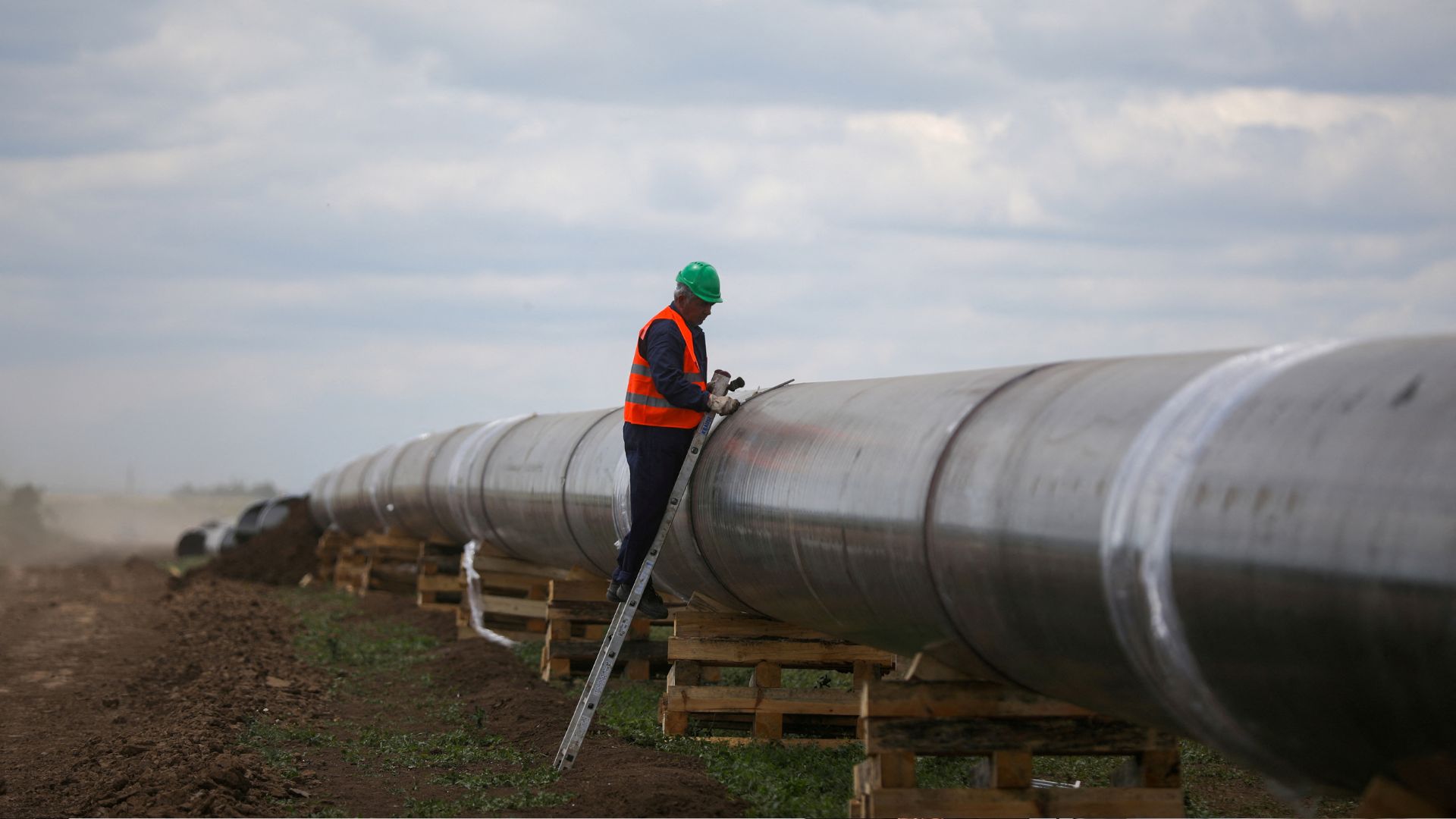
Under the newly approved framework, all new contracts for Russian gas will be prohibited immediately. Existing contracts will be terminated in stages over the coming years, giving member states time to adjust their energy systems and secure alternative supplies. The ban covers both pipeline gas and liquefied natural gas, ensuring that Russian fuel will no longer enter the EU market in any form once the transition period is complete.
European leaders described the move as a necessary step to protect the bloc’s sovereignty and security. They argued that energy dependence on a single supplier, particularly one involved in a major military conflict, posed unacceptable political and economic risks. By cutting off Russian gas, the EU aims to prevent energy from being used as a geopolitical weapon and to reinforce its support for Ukraine.
However, the decision was not without controversy. Several EU countries had expressed strong reservations, citing concerns over energy security, price stability, and the economic impact on households and industry. Nations that had relied heavily on Russian gas warned that the transition could lead to higher costs and supply disruptions, particularly in the short term.
Despite these concerns, a majority of member states agreed that the long-term benefits outweighed the risks. They emphasized that Europe has already made significant progress in diversifying its energy sources, increasing imports from other global suppliers and expanding renewable energy capacity. Over the past few years, new liquefied natural gas terminals have been built, pipeline links strengthened, and energy storage capacities expanded across the continent.
The ban is also expected to accelerate Europe’s shift toward clean energy. By reducing reliance on imported fossil fuels, the EU hopes to boost investment in wind, solar, hydrogen, and other low-carbon technologies. Officials view the policy not only as a geopolitical statement but also as a catalyst for achieving the bloc’s climate goals.
Economically, the transition will reshape Europe’s energy market. While some analysts warn of temporary price volatility and higher costs for consumers, others believe that increased competition among suppliers and rapid growth in renewables will stabilize prices in the long run. The EU has also committed to financial support for vulnerable countries and sectors to ease the transition and prevent economic shocks.
Industries that depend heavily on gas, such as chemicals, steel, and manufacturing, are expected to face challenges as energy sourcing shifts. Many companies are already adapting by investing in energy efficiency, electrification, and alternative fuels. European policymakers have pledged to work closely with businesses to ensure that competitiveness is not undermined during the transition.
On the geopolitical front, the ban represents a major blow to Russia’s role in European energy markets. Energy exports have long been a cornerstone of Russia’s economy and its influence in Europe. By cutting off this relationship, the EU is sending a strong signal that political values and security considerations now take precedence over economic convenience.
At the same time, Europe’s energy partnerships with other countries are likely to deepen. Suppliers in North America, the Middle East, Africa, and Norway are expected to play a greater role in meeting Europe’s gas needs in the short term, while renewable partnerships are likely to expand in the longer term.
Public reaction across Europe has been mixed. While many citizens support reducing dependence on Russian energy as a matter of principle, concerns remain about energy affordability, particularly amid inflationary pressures and rising living costs. Governments have responded by introducing subsidies, price caps, and support measures to protect consumers during the transition period.
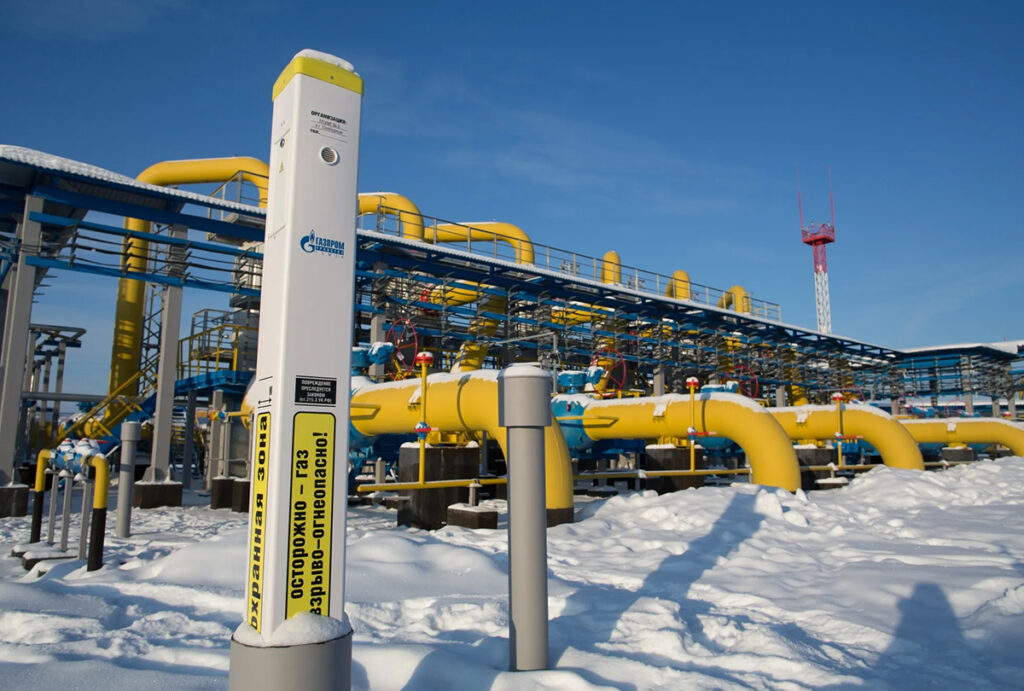
The final approval of the Russian gas ban marks a defining moment for the European Union. It demonstrates the bloc’s willingness to take collective, long-term decisions even when they involve economic sacrifice and political complexity. It also underscores a broader shift in European policy, where energy, security, and climate goals are increasingly intertwined.
As the phased ban comes into effect, the coming years will test the EU’s ability to manage one of the largest energy transformations in its history. Success will depend not only on infrastructure and investment, but also on political unity and public support.
What is clear, however, is that Europe’s energy relationship with Russia has entered a new chapter — one defined not by dependence, but by deliberate separation in pursuit of security, sustainability, and strategic autonomy.