


SoftBank Group Corp., the Japanese conglomerate known for its tech investments, is making another significant bet on WeWork, the flexible office space provider, in a move that underscores SoftBank’s confidence in the future of hybrid workspaces and its hope that landlords will follow suit.
WeWork, a company once hailed as a pioneer in the co-working industry, faced tumultuous times in recent years, with a failed IPO attempt and a leadership shake-up. Despite these challenges, SoftBank has remained committed to the vision of WeWork’s revival.

SoftBank announced a $1.3 billion investment in WeWork, which will be used to fund its growth and expansion efforts. This marks SoftBank’s latest investment in the company, after it provided a lifeline to WeWork with a $9.5 billion bailout in 2019. SoftBank’s vote of confidence is seen as an important step in WeWork’s ongoing recovery.
WeWork, under new leadership, is aiming to capitalize on the evolving nature of work in a post-pandemic world. The company is adapting to the hybrid work model, where employees split their time between the office and remote work. WeWork is positioning itself as a flexible and collaborative workspace solution to cater to businesses that may require less permanent office space.

In a joint statement, SoftBank and WeWork said, “WeWork’s commitment to offering flexible workspace solutions aligns with the changing needs of businesses and individuals. We believe that WeWork is well-positioned for success in this dynamic work environment.”
Masayoshi Son, the founder and CEO of SoftBank, expressed optimism about WeWork’s potential in this new era of work. He stated, “WeWork is an important partner for SoftBank, and we are confident in its ability to adapt and thrive in the evolving landscape of work.”
WeWork’s new CEO, Sandeep Mathrani, has been leading the company’s efforts to rebuild its reputation and financial stability. Mathrani has emphasized that WeWork is not just a shared workspace provider but a solutions provider for the future of work.
However, WeWork still faces hurdles, including competition from other co-working providers and uncertainties regarding the return to the office amid ongoing pandemic-related concerns.
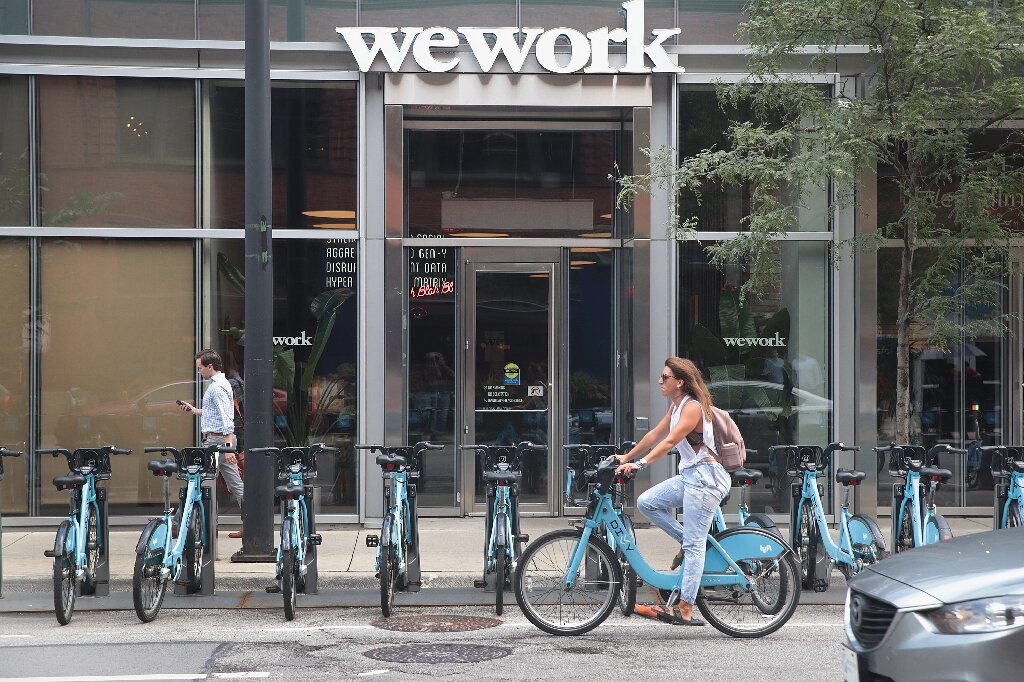
One key aspect of WeWork’s strategy is to work more closely with landlords, transforming traditional lease agreements into management agreements that allow for more flexibility and revenue-sharing arrangements. WeWork hopes that this approach will incentivize landlords to see the benefits of flexible workspace solutions.
While SoftBank’s investment is a clear vote of confidence, it remains to be seen how landlords will respond to WeWork’s overtures. WeWork’s ability to establish partnerships with property owners will be a critical factor in its future success.
As the global workforce continues to adapt to new working norms, SoftBank’s latest investment in WeWork reflects its belief in the potential of co-working and flexible office solutions, and it places WeWork in a strong position to navigate the changing landscape of work in the years ahead.









