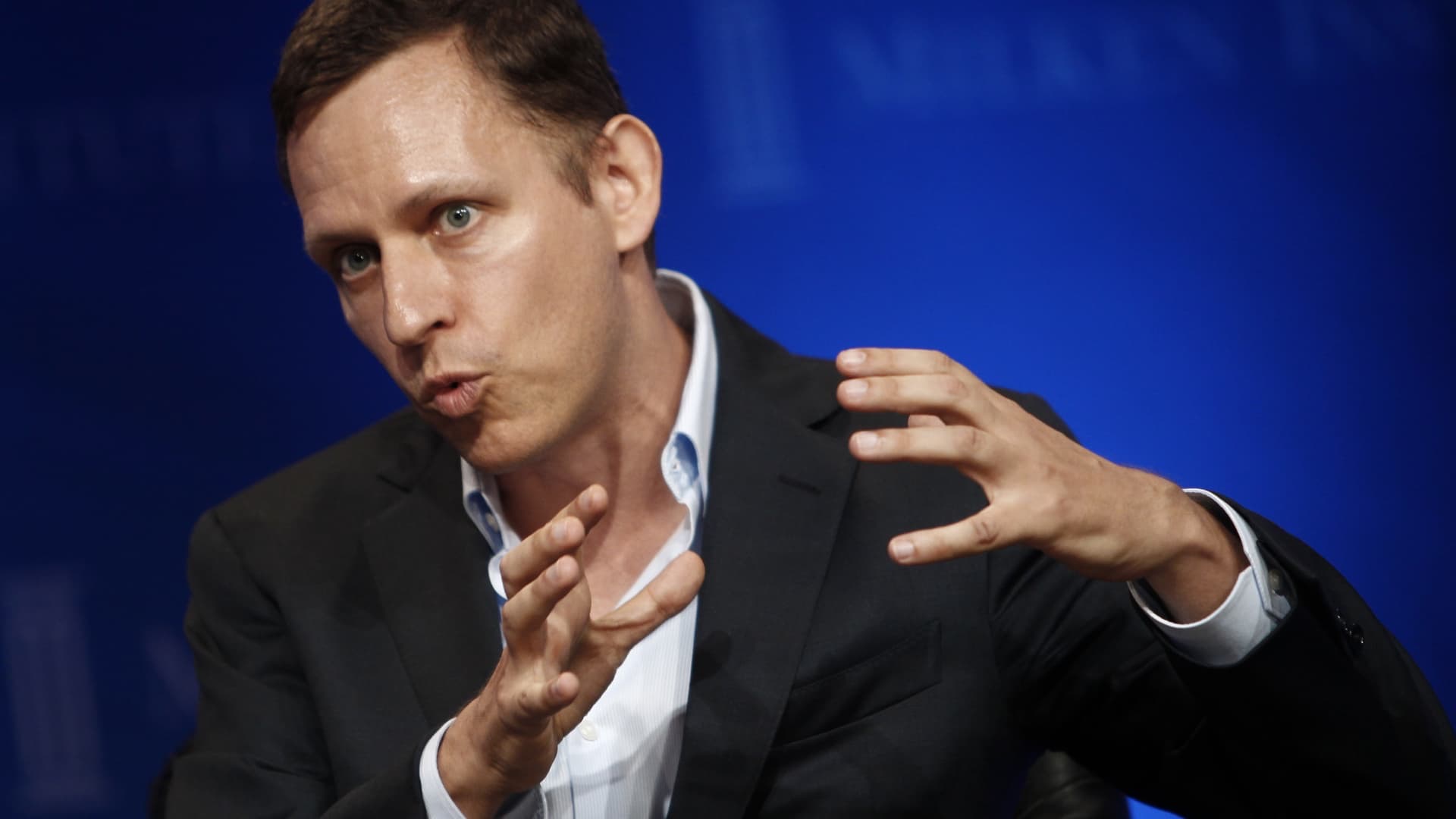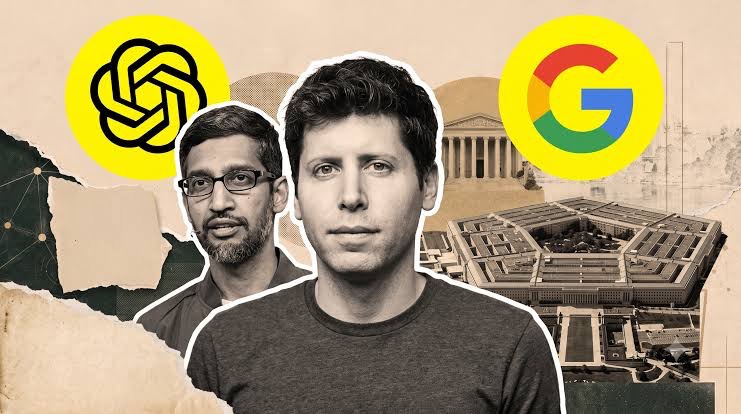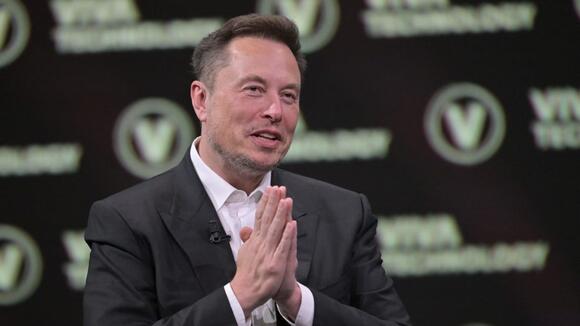
In a peculiar turn of events, a prominent New York University (NYU) professor found himself locked out of his Twitter account after reportedly declining an invitation to meet with Tesla and SpaceX CEO Elon Musk. The incident, which unfolded on social media, quickly caught the attention of netizens and sparked debates about the power dynamics between influential individuals and academia.
Dr. Michael Bennett, a distinguished expert in artificial intelligence and ethics at NYU’s Tandon School of Engineering, had been actively engaged in discussions about technology’s impact on society on his Twitter account, which boasts a significant following. The controversy began when a tweet allegedly sent by Musk himself invited Dr. Bennett to a face-to-face meeting to discuss the implications of AI and ethics in today’s world.
Sources close to Dr. Bennett indicate that he declined the invitation due to prior commitments and an already busy schedule. However, the tweet exchange between the two personalities quickly escalated, leading to a series of replies that gained considerable attention. Some accused Musk of trying to use his influence to control the narrative around AI, while others praised his willingness to engage in discussions.
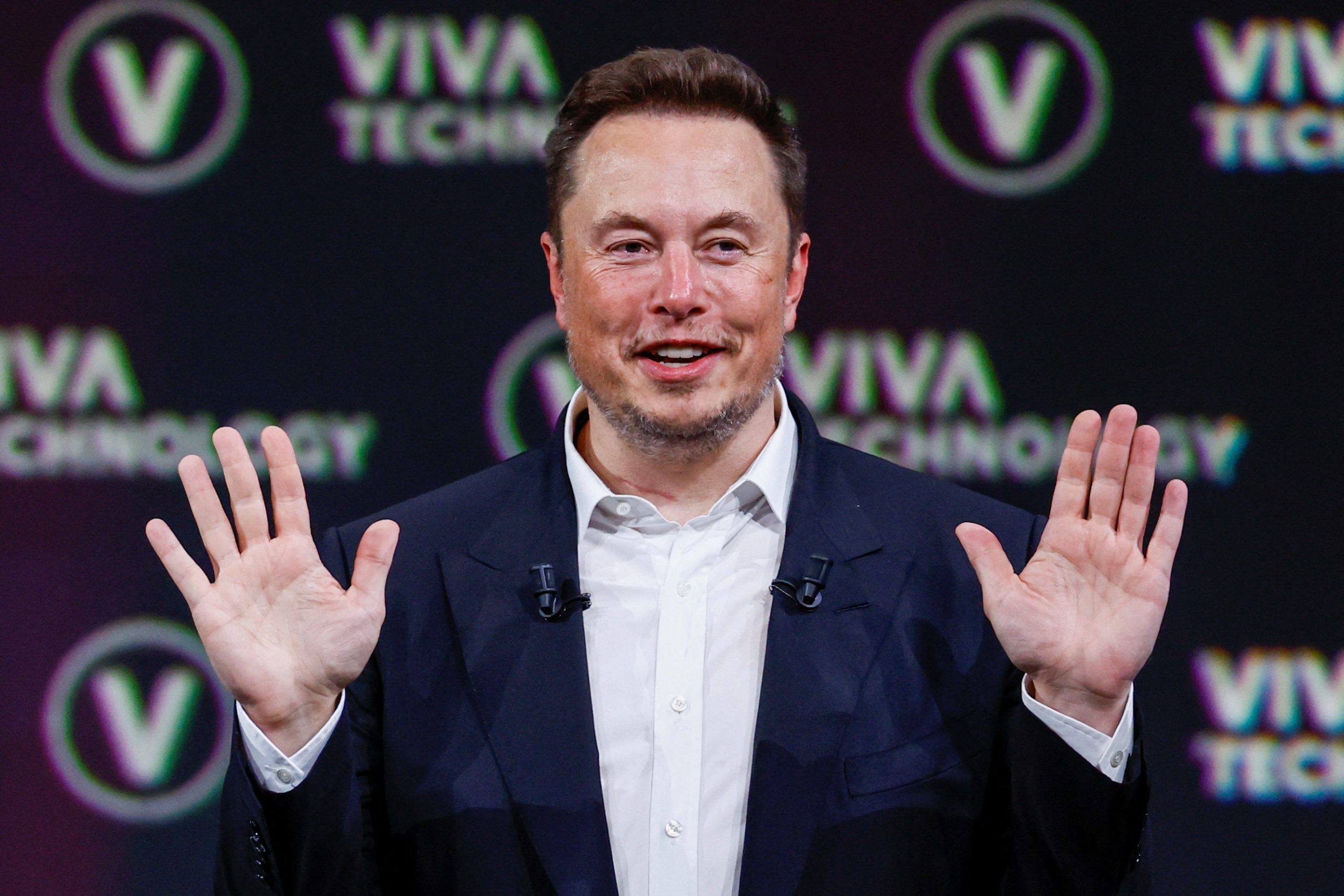
Hours after the exchange, reports emerged that Dr. Bennett’s Twitter account had been temporarily locked, preventing him from posting or interacting on the platform. Twitter’s official statement cited a violation of platform guidelines but did not specify the nature of the violation. This move triggered accusations of censorship and raised concerns about the potential influence high-profile figures might wield over social media companies.
Twitter users immediately took sides, with some rallying in support of Dr. Bennett, condemning what they saw as a suppression of academic discourse. Others, however, argued that Twitter was within its rights to enforce its policies, irrespective of the individuals involved. The incident also reignited discussions about the role of social media platforms in shaping public opinion and discourse.
NYU issued a statement expressing concern over the situation and emphasizing the importance of open dialogue in academic circles. The university spokesperson, Jane Reynolds, stated, “NYU values academic freedom and the ability to engage in robust, respectful conversations. We hope this incident will lead to meaningful discussions about the responsibilities of tech industry leaders and the preservation of intellectual discourse.”
As the hashtag #AcademicVoice trended on Twitter, experts and analysts weighed in on the implications of this incident for academia, technology, and public discourse. The convergence of academia, technology, and social media has highlighted the challenges posed by the power dynamics between influential personalities and institutions.
Whether this incident will result in further dialogue on the ethical responsibilities of tech leaders and the role of social media platforms in shaping conversations remains to be seen. As the story unfolds, it serves as a reminder of the complex interplay between technology, influence, and intellectual freedom in the digital age.