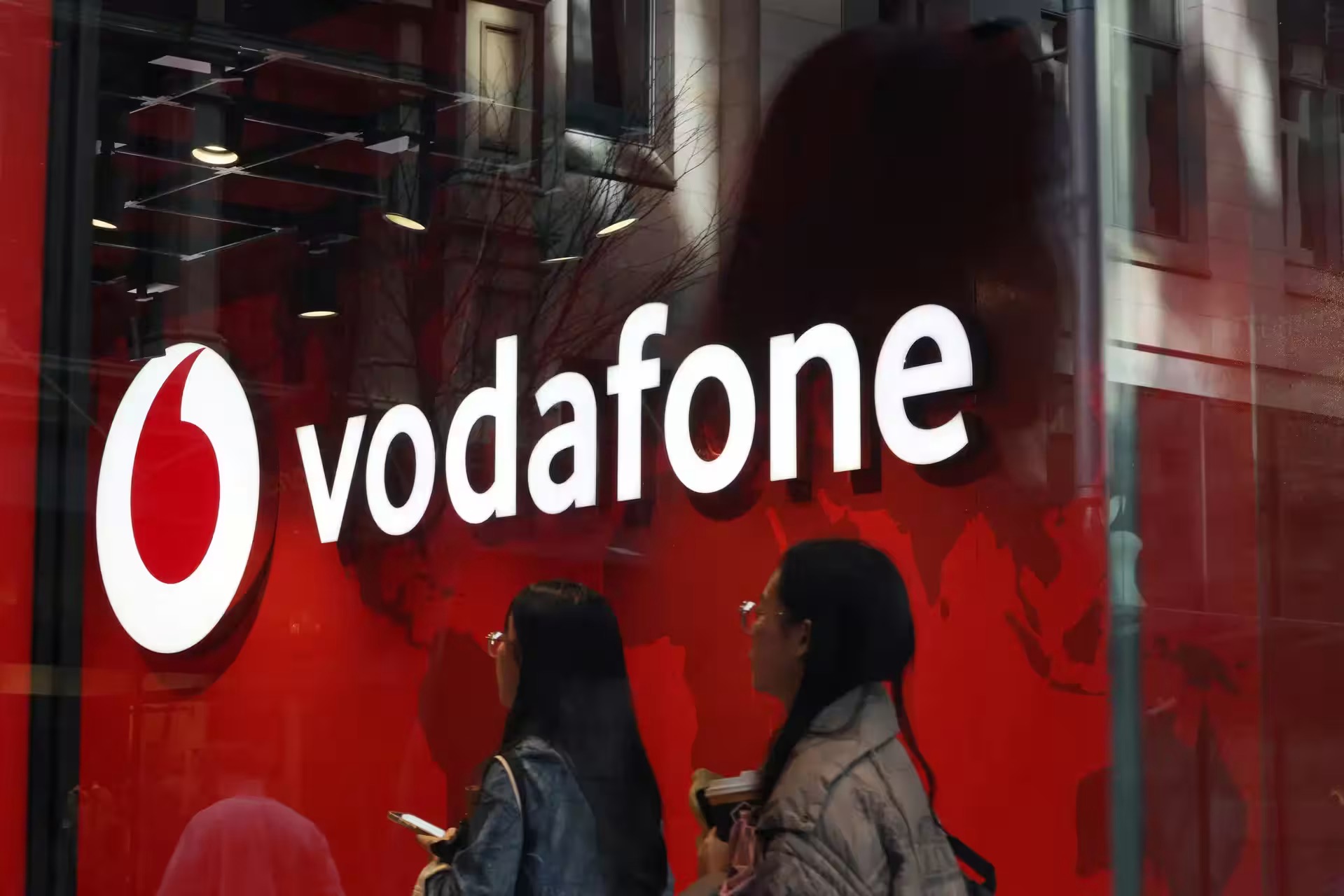
French billionaire entrepreneur Xavier Niel has emerged as the largest shareholder in Vodafone after completing a landmark $6 billion investment in the British telecommunications giant. The deal marks one of the biggest strategic investments in the European telecom sector in recent years and signals growing confidence in Vodafone’s long-term turnaround strategy as the company continues to reshape its business amid an increasingly competitive market.
The investment was made through Atlas Investissement, Niel’s investment vehicle, which significantly increased its stake in Vodafone. While the transaction does not amount to a takeover, it places Niel in a powerful position as the company’s biggest shareholder, giving him considerable influence over Vodafone’s future direction. At the same time, the investment has been positioned as a long-term financial commitment rather than an attempt to gain operational control of the company.
The development comes at a critical time for Vodafone, which has spent the last few years undergoing a comprehensive restructuring aimed at improving profitability, simplifying its operations, and restoring investor confidence. The telecom giant has struggled with slowing revenue growth, rising operational costs, and intense competition across several European markets. These challenges have prompted the company to rethink its strategy and focus on markets where it can achieve stronger returns.
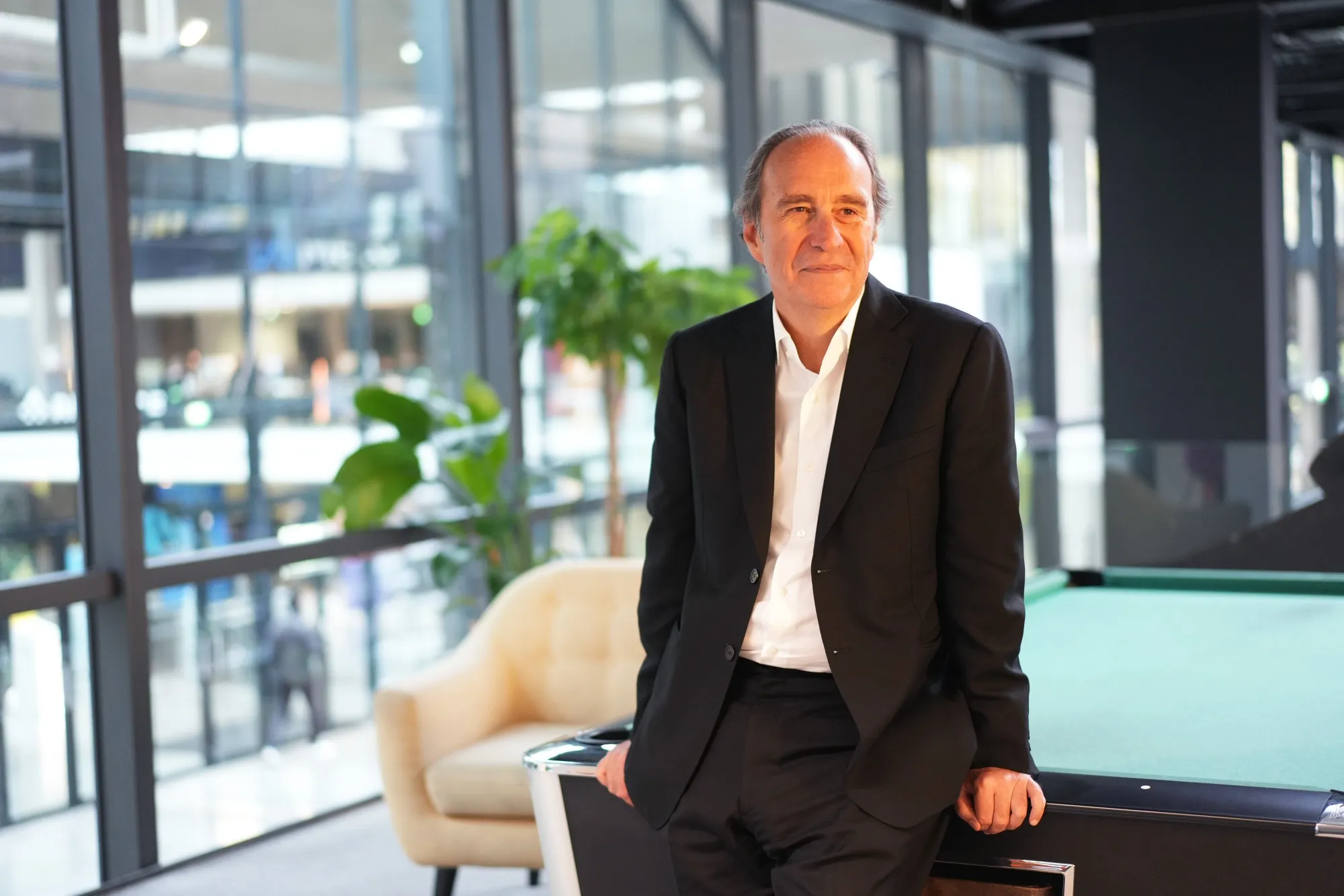
Vodafone’s transformation has included major portfolio changes, including the sale of businesses in certain countries and strategic mergers designed to strengthen its market position. These moves have been part of a broader effort to streamline operations, reduce debt, and concentrate resources on markets with greater long-term growth potential. Investors have viewed these initiatives as signs that the company is taking decisive steps to improve efficiency and create sustainable shareholder value.
Xavier Niel is one of Europe’s best-known entrepreneurs in the telecommunications industry. He founded Iliad, the parent company of French telecom brand Free, which disrupted the country’s mobile and broadband markets with low-cost pricing and innovative service offerings. Under his leadership, Free transformed consumer expectations and forced competitors to rethink their pricing strategies. Niel’s success in building one of France’s leading telecom operators has earned him a reputation as a visionary investor with deep expertise in communications and digital infrastructure.
Beyond telecommunications, Niel has built an extensive investment portfolio spanning technology startups, venture capital, digital infrastructure, and innovation-focused businesses. He has consistently backed companies with strong growth potential and has played an active role in supporting entrepreneurship across Europe. His decision to increase his investment in Vodafone is therefore being interpreted as a strong endorsement of the British company’s future prospects.
The investment also reflects broader confidence in the European telecommunications sector, which is entering a period of significant transformation. Telecom operators are investing billions of dollars in expanding 5G networks, deploying fiber broadband infrastructure, and developing digital services for both consumers and businesses. These investments require substantial capital but are expected to generate long-term returns as demand for high-speed connectivity continues to grow.
Vodafone has positioned itself as a major player in this evolving landscape by investing heavily in next-generation technologies while simplifying its organizational structure. The company has focused on improving customer experience, enhancing network quality, and expanding services for enterprise clients seeking digital transformation solutions. These initiatives are intended to strengthen Vodafone’s competitiveness in a market where consumers increasingly expect faster, more reliable, and more integrated connectivity services.
Despite these efforts, Vodafone has faced several challenges over the past decade. Intense price competition, regulatory pressures, and the high costs associated with maintaining and upgrading telecommunications infrastructure have weighed on profitability. In addition, the European telecom market remains highly fragmented, with numerous operators competing across different countries under varying regulatory environments.
To address these challenges, Vodafone has pursued a strategy centered on operational efficiency and strategic partnerships. The company has completed several significant transactions, including mergers and asset sales, aimed at creating stronger market positions while freeing up resources for future investment. These actions have been closely watched by investors seeking evidence that Vodafone can deliver improved financial performance after years of relatively modest growth.
Niel’s investment is expected to further strengthen market confidence in the company’s strategy. Although he is now Vodafone’s largest shareholder, he has indicated support for the existing management team and its transformation plans rather than advocating for immediate structural changes. This approach suggests that the investment is intended to benefit from Vodafone’s ongoing turnaround rather than initiate a dramatic shift in leadership or corporate direction.
Financial markets responded positively to the announcement, viewing the investment as a sign that experienced industry leaders believe Vodafone’s shares are undervalued and that the company has meaningful growth potential. Large strategic investments by successful entrepreneurs often serve as indicators of confidence in a company’s future, particularly during periods of restructuring or transition.
Industry analysts note that telecom companies continue to attract long-term investors because of their ownership of essential infrastructure and stable cash-generating businesses. While revenue growth in the sector is often slower than in technology industries, telecommunications companies benefit from recurring subscription income and increasing demand for digital connectivity. As technologies such as artificial intelligence, cloud computing, the Internet of Things, and smart cities expand, reliable communications infrastructure is becoming even more critical to economic development.

For Vodafone, the arrival of a major shareholder with extensive telecom experience could prove beneficial beyond financial support. Niel’s understanding of competitive markets, innovation, and operational efficiency may provide valuable perspectives as the company continues to refine its long-term strategy. However, Vodafone’s board and executive management will continue to oversee day-to-day operations and strategic decision-making in accordance with corporate governance standards.
The investment also highlights a broader trend of consolidation and strategic investment across Europe’s telecommunications industry. Companies are increasingly seeking partnerships, mergers, and financial backing to manage the enormous costs of network expansion while remaining competitive in rapidly changing markets. Investors are showing renewed interest in businesses that own critical digital infrastructure capable of supporting future technological advancements.
As Vodafone continues implementing its transformation strategy, attention will remain focused on its ability to improve profitability, strengthen customer loyalty, and capitalize on growing demand for digital connectivity. The support of one of Europe’s most successful telecom entrepreneurs provides an important vote of confidence at a time when the company is working to establish a stronger foundation for future growth.
Xavier Niel’s $6 billion investment marks a significant chapter in Vodafone’s history, reinforcing expectations that the company’s restructuring efforts are beginning to gain momentum. While challenges remain, the deal signals growing optimism that Vodafone is well positioned to navigate the evolving telecommunications landscape and create long-term value for shareholders.