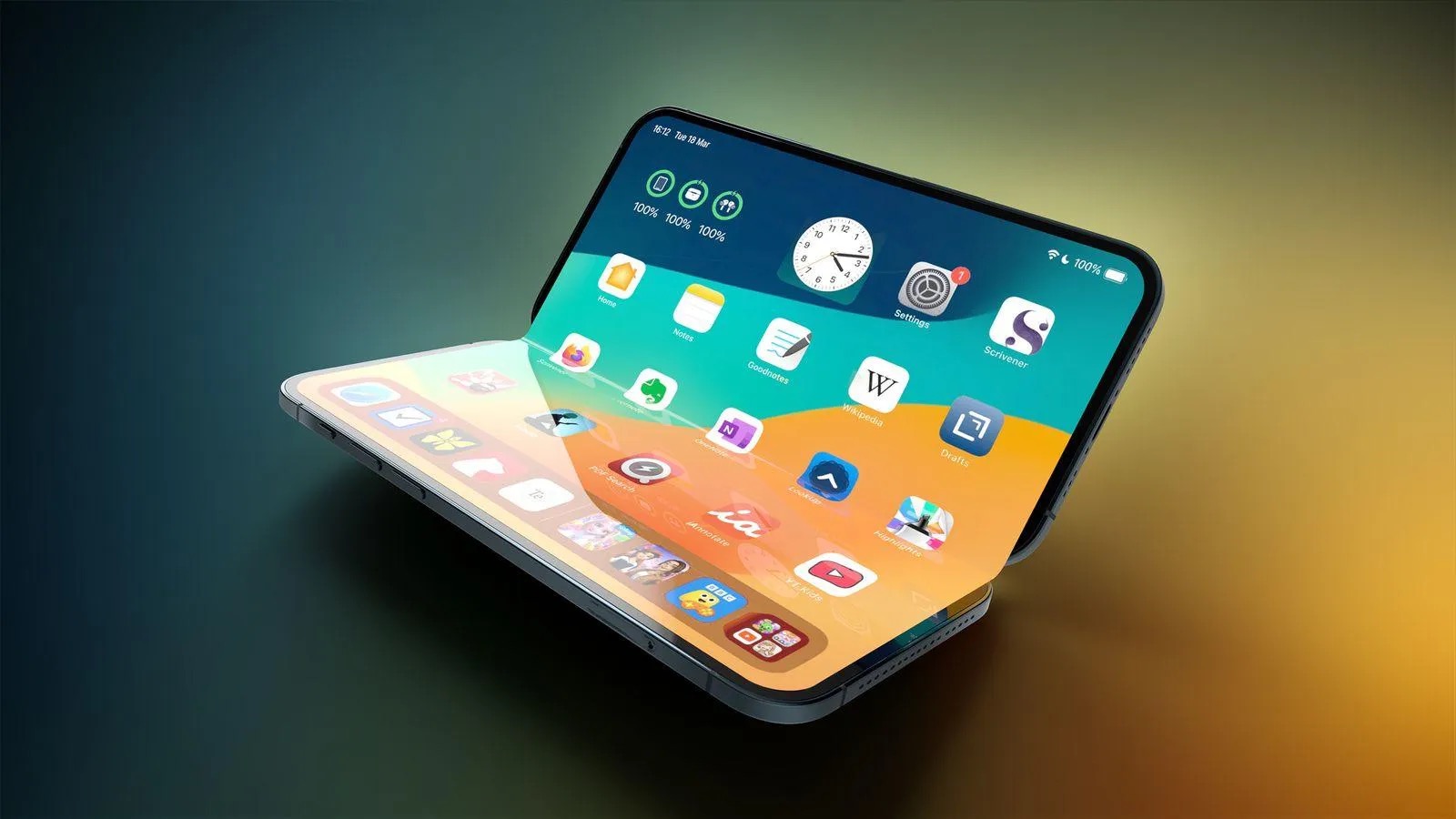
Apple Inc. is reportedly encountering significant engineering challenges in the development of its much-anticipated foldable iPhone, casting uncertainty over the device’s production timeline and potential launch window. The issues, which have surfaced during a crucial testing phase, could delay shipments and complicate Apple’s long-awaited entry into the foldable smartphone segment.
The foldable iPhone has been one of the most closely watched projects in Apple’s product pipeline, with expectations that the company would finally unveil a device capable of competing with established foldable offerings from rival manufacturers. However, recent developments suggest that bringing such a complex product to market is proving more difficult than anticipated.
Problems Emerge During Engineering Verification
According to industry reports, the challenges have arisen during the engineering verification stage—a key phase in product development where prototypes are rigorously tested to ensure they meet performance, durability, and manufacturing standards. Issues identified at this stage are often serious, as they can require design changes that ripple through the entire production process.
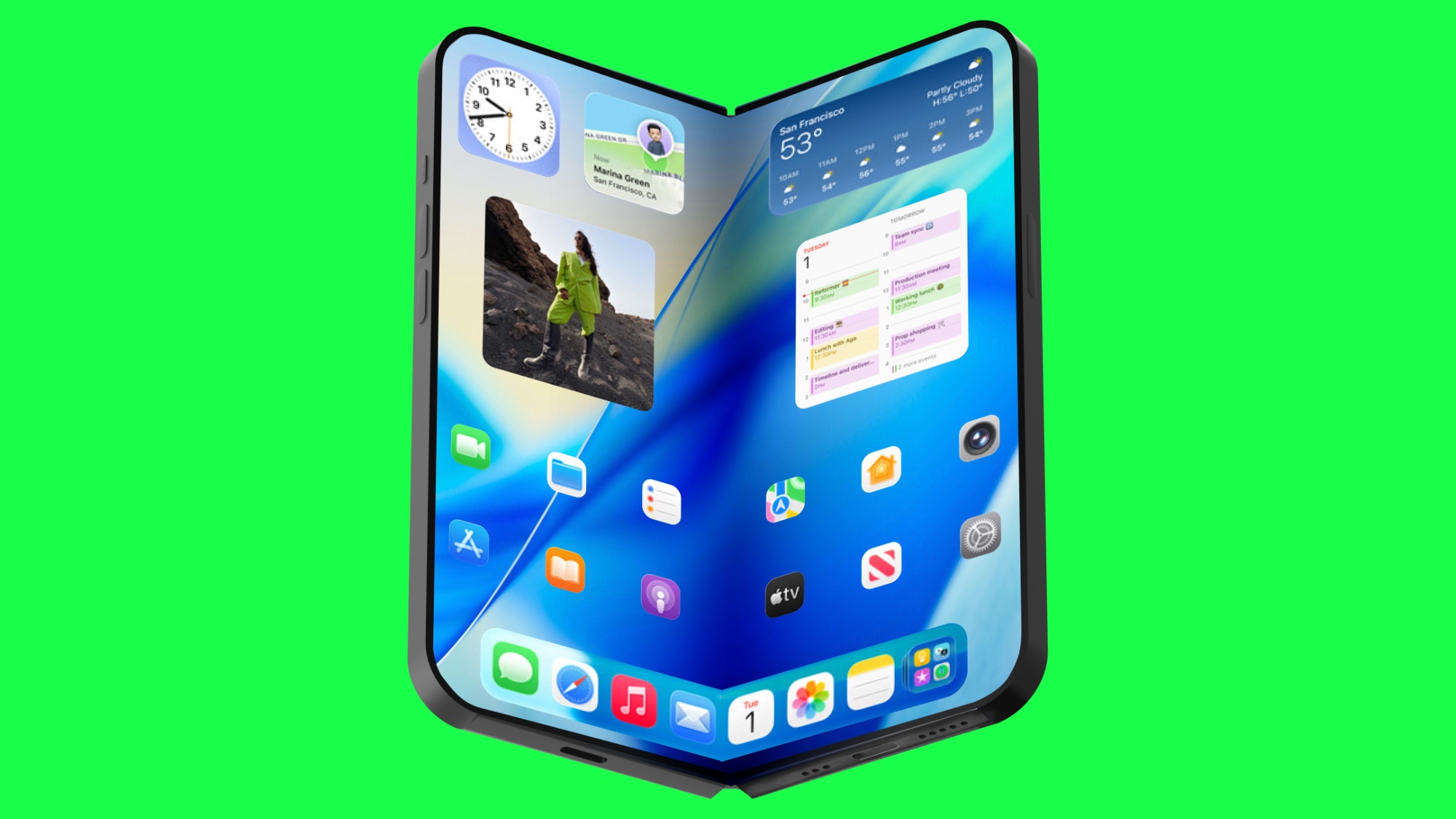
While Apple has not disclosed the exact nature of the engineering snags, they are believed to involve core aspects of the foldable design. This could include the hinge mechanism, display durability, or structural integrity of the device—areas that are notoriously difficult to perfect in foldable smartphones.
Any shortcomings in these components can significantly impact user experience, making it critical for Apple to resolve them before proceeding to mass production. The company is known for its meticulous quality standards, and it is unlikely to compromise on reliability, even if that means delaying the product.
The Challenge of Perfecting Foldable Technology
Foldable smartphones represent a major leap in engineering compared to traditional slab-style devices. They require flexible displays that can withstand repeated folding, hinges that operate smoothly over years of use, and materials that maintain structural strength without adding excessive bulk.
Apple’s cautious approach to this category has been widely noted. Unlike competitors who rushed early foldable devices to market, Apple has taken its time, focusing on refining the technology before launching its own version. This strategy has historically allowed the company to deliver more polished products, but it also raises expectations significantly.
Reports suggest that Apple has been working on advanced hinge designs and next-generation display technologies to differentiate its foldable iPhone. However, these innovations may also be contributing to the current challenges, as pushing the boundaries of design often introduces new technical complexities.
Potential Impact on Production and Launch
The engineering setbacks could have a direct impact on Apple’s production schedule. Earlier expectations had pointed to a potential launch within the next product cycle, but delays in the verification phase could push mass production further down the line.
In the smartphone industry, timing is critical. Manufacturers must finalize designs months in advance to allow suppliers to prepare components and ramp up production. Any delay at the engineering stage can disrupt this carefully coordinated process, leading to postponed shipments or limited initial availability.
There is also the possibility that Apple could choose to delay the launch intentionally, ensuring that the product meets its high standards rather than rushing it to market. Such a move would align with the company’s long-standing philosophy of prioritizing quality over speed.
Competitive Pressure Builds
Apple’s delayed entry into the foldable market comes at a time when competitors have already established a strong presence. Companies like Samsung have released multiple generations of foldable devices, gradually improving durability and performance with each iteration.
By the time Apple’s foldable iPhone arrives, the market will likely be even more mature, with consumers having clear expectations about what such devices should offer. This puts additional pressure on Apple to deliver a product that not only matches but surpasses existing offerings.
The reported engineering issues highlight the difficulty of achieving this goal. Entering a category late can be advantageous if the final product sets a new benchmark, but it leaves little room for error. Any perceived shortcomings could impact both sales and brand perception.
Supply Chain Implications
The challenges also have broader implications for Apple’s extensive supply chain. The company relies on a global network of suppliers to produce components at scale, and any uncertainty in product design can create bottlenecks throughout the system.
Suppliers typically begin preparing months in advance, investing in equipment and materials based on projected demand. If Apple delays finalizing the foldable iPhone’s design, it could force adjustments across the supply chain, potentially increasing costs and complicating logistics.
At the same time, the foldable iPhone is expected to be positioned as a premium device, likely carrying a significantly higher price tag than standard models. This makes it an important part of Apple’s strategy to drive revenue growth through high-end products. Any delay could therefore have financial implications as well.
High Expectations for a New Form Factor
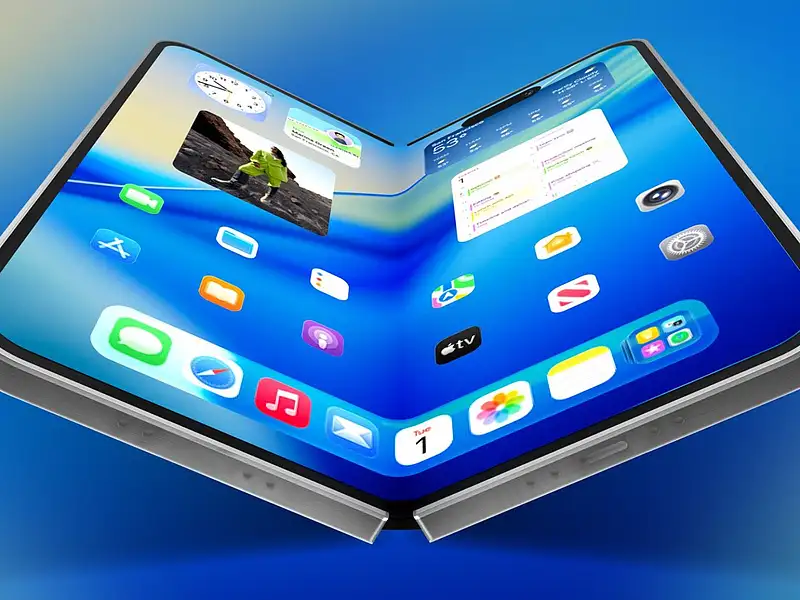
The foldable iPhone represents more than just another addition to Apple’s lineup—it is expected to be the company’s first major new smartphone form factor in years. As such, expectations are exceptionally high among consumers, analysts, and investors.
Users are likely to expect a device that addresses common issues seen in existing foldables, such as visible screen creases, limited durability, and high repair costs. Achieving all of this while maintaining Apple’s signature design and performance standards is no small feat.
The current engineering snags serve as a reminder of the challenges involved in meeting these expectations. They also underscore why Apple has taken a cautious approach to entering the foldable market.
Looking Ahead
Despite the reported setbacks, it is important to note that engineering challenges are a normal part of developing cutting-edge technology. Many successful products undergo multiple iterations before reaching the market, and Apple has a strong track record of overcoming such hurdles.
Whether the foldable iPhone launches on schedule or faces delays, it remains one of the most anticipated devices in the industry. For Apple, the decision will ultimately come down to balancing innovation with reliability—ensuring that when the product does arrive, it lives up to the company’s reputation.
For now, the foldable iPhone stands as a symbol of both ambition and complexity, highlighting the difficulties of pushing the boundaries of smartphone design while maintaining the high standards that users have come to expect from Apple.