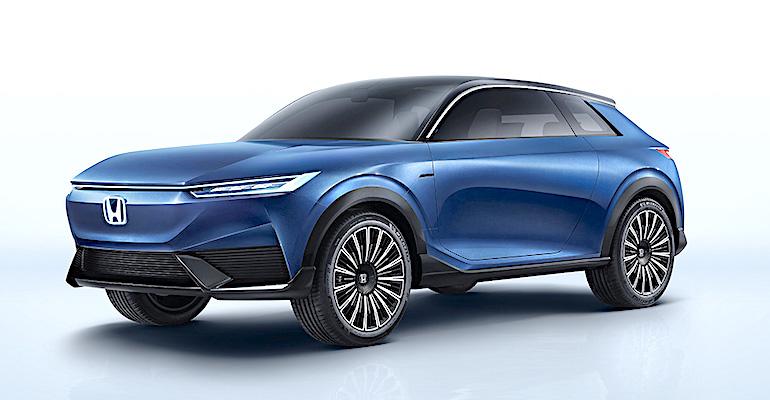
In a surprising turn of events, Honda Motor Co. has officially terminated its partnership with General Motors (GM) to jointly develop affordable electric vehicles (EVs). The Japanese automaker cited difficulties in producing low-cost electric cars, signaling the growing challenges that automakers face as they transition to a more sustainable and electric future.
The collaboration between Honda and GM, announced in April 2020, was initially seen as a promising step towards making electric vehicles more accessible to a broader range of consumers. The partnership aimed to leverage GM’s EV technology with Honda’s established reputation for quality and reliability. Together, they planned to develop a series of affordable electric vehicles to compete with other market leaders.

However, in a statement released earlier today, Honda announced the dissolution of the partnership, explaining that the pursuit of economical electric vehicles proved more complex and costly than initially anticipated.
Honda’s CEO, Toshihiro Mibe, stated, “While we fully recognize the importance of electric vehicles in addressing the challenges of climate change, we have come to the conclusion that developing affordable electric vehicles is more difficult than we initially anticipated. Our commitment to producing high-quality, affordable vehicles remains unwavering, but our joint venture with GM does not align with our current goals.”
This decision has raised eyebrows in the automotive industry, as the development of cost-effective electric vehicles has become a focal point for automakers worldwide, driven by stricter emission regulations and the demand for greener transportation options.
The discontinuation of the Honda-GM partnership comes at a time when electric vehicles are gaining popularity, and several automakers are heavily investing in electrification to meet consumer demands and government regulations. Honda’s move to abandon this collaboration raises questions about the feasibility of producing electric cars at a lower price point, as the market becomes more competitive.
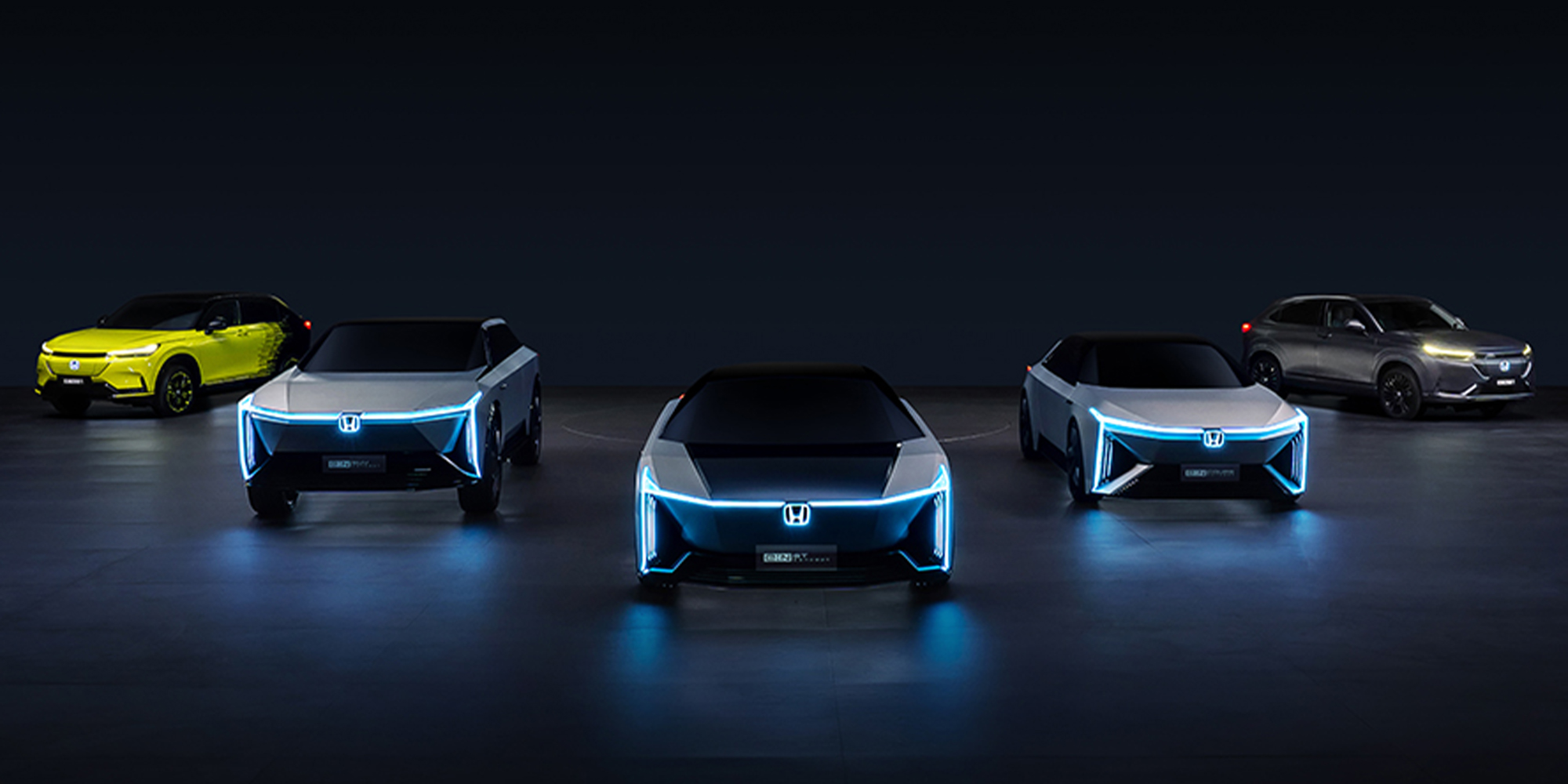
General Motors, on the other hand, remains committed to its electric vehicle ambitions, as evidenced by their significant investments in battery technology and electric vehicle platforms. GM has recently unveiled an ambitious plan to offer an all-electric lineup by 2035, making them one of the pioneers in the electric vehicle market.
The termination of the partnership is expected to have implications for both companies, including financial and technological setbacks. Honda will now have to chart a new course for its electric vehicle strategy, while GM will continue its pursuit of affordable EVs without their Japanese partner.
Industry analysts suggest that Honda’s decision may lead to a reassessment of the electric vehicle market’s challenges. The issues surrounding battery costs, infrastructure, and economies of scale in EV production are becoming more apparent. It remains to be seen how other automakers will navigate these challenges and whether Honda’s choice will inspire different approaches to making affordable electric vehicles a reality.
As the global automotive landscape continues to shift toward electric mobility, Honda’s departure from its partnership with GM highlights the complexities automakers face in their quest to make electric vehicles more accessible to a broader consumer base. The industry is left to ponder whether producing economical electric cars is, indeed, a harder task than initially imagined.