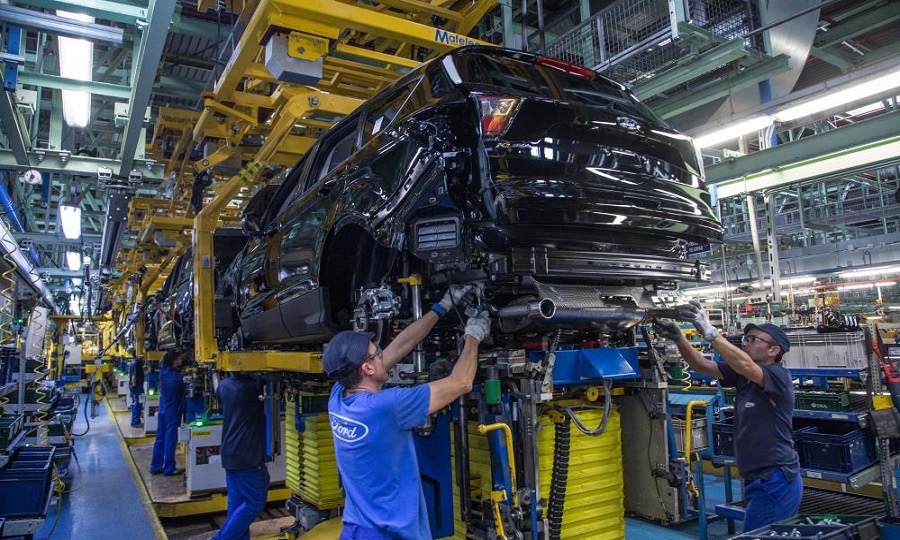
Ford Motor Company is reportedly preparing for a major strategic shift in its European operations by partnering with Chinese automotive giant Geely in a deal that could reshape the company’s electric vehicle ambitions. According to reports, Ford has agreed to sell part of its Valencia manufacturing facility in Spain to Geely while also considering the use of a Geely-developed electric vehicle platform for future Ford models.
The move reflects the growing pressure on traditional automakers to cut costs, accelerate EV production, and remain competitive in an increasingly crowded global market dominated by rapid technological innovation and aggressive pricing.
The reported agreement centers on Ford’s Valencia plant, one of the company’s most important manufacturing sites in Europe. Over the years, the facility has produced several popular Ford vehicles and employed thousands of workers. However, like many legacy automotive plants across Europe, Valencia has faced uncertainty during the industry’s transition away from internal combustion engines and toward electric mobility.
Ford has been restructuring its European business for several years as it attempts to adapt to changing consumer demand and stricter environmental regulations. The company has already reduced production capacity and announced workforce cuts at multiple facilities as part of broader cost-saving efforts.
Under the reported arrangement, Geely would acquire one of the production lines within the Valencia complex. The deal would reportedly allow the Chinese automaker to establish a manufacturing base in Europe while helping Ford reduce operational costs tied to underused factory space.
Industry analysts believe the agreement could benefit both companies. Ford would gain financial relief and flexibility in its European operations, while Geely would secure valuable production infrastructure inside the European Union at a time when Chinese automakers are seeking stronger footholds in overseas markets.
The partnership could also help preserve jobs and industrial activity at the Valencia site, which has become a key concern for local officials and labor unions amid fears of declining production volumes in Europe’s traditional automotive sector.
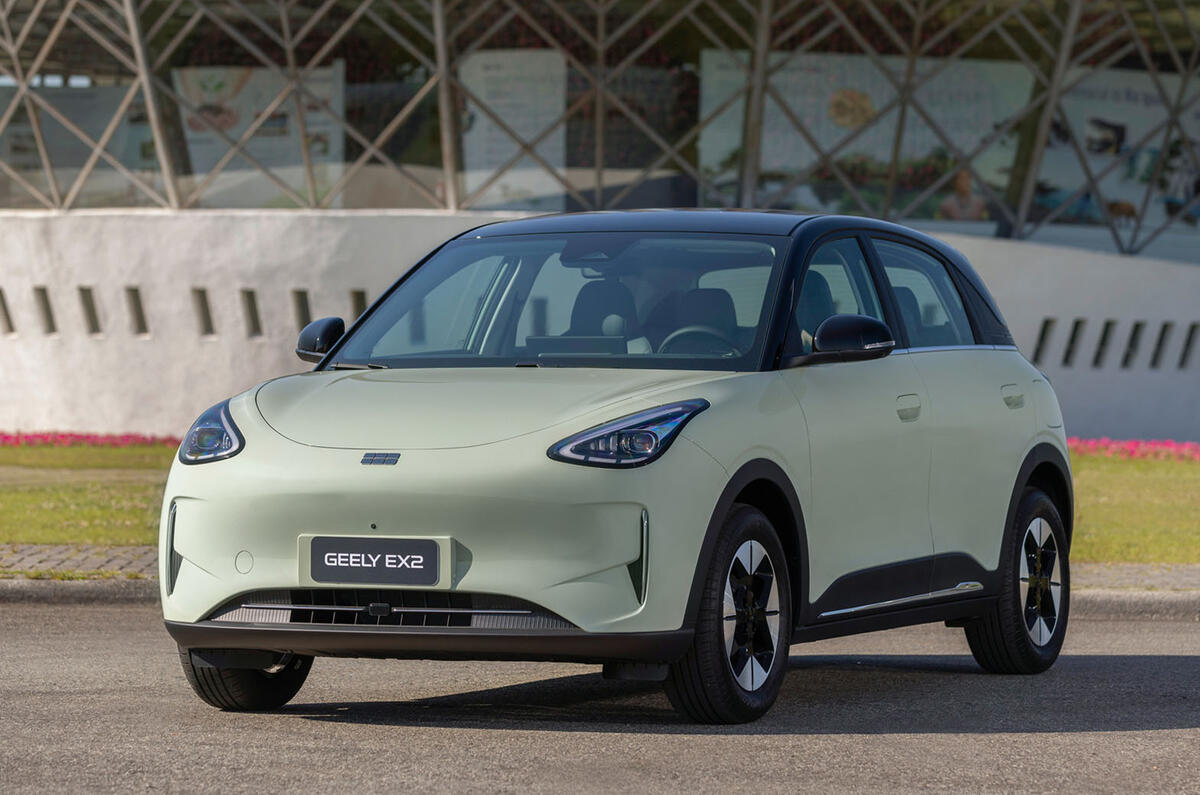
Perhaps the most significant aspect of the reported partnership is Ford’s possible use of a Geely-developed EV platform for future electric vehicles. If implemented, the arrangement would mark a major shift in strategy for the American automaker and highlight the growing influence of Chinese technology in the global EV race.
Electric vehicle platforms serve as the structural and technological foundation for EV models, supporting battery systems, software architecture, and powertrain integration. Developing such platforms independently requires enormous investment, often costing billions of dollars and taking years to complete.
Geely has become one of the most advanced EV manufacturers in China through heavy investments in battery technology, software systems, and scalable electric platforms. The company also owns or controls several internationally recognized automotive brands, giving it access to global engineering expertise and premium market experience.
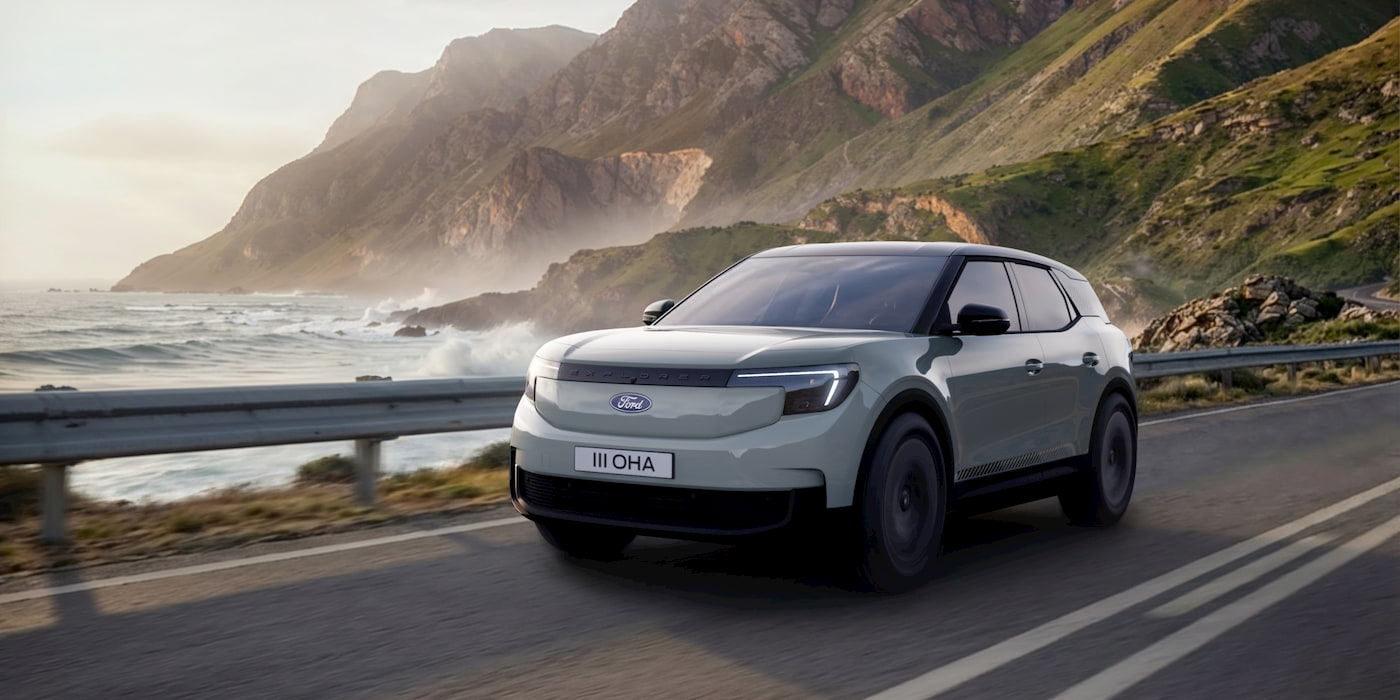
For Ford, using an existing Geely platform could significantly reduce development costs and speed up the launch of new electric models in Europe. The company has faced increasing pressure from investors and competitors to improve profitability in its EV division, which has struggled with rising production costs and uneven consumer demand.
The potential collaboration also reflects a broader trend in the automotive industry, where companies that were once fierce competitors are increasingly becoming technology partners. Automakers across the world are now sharing platforms, battery systems, and software solutions to survive the costly transition to electrification.
Chinese carmakers have emerged as particularly influential players in this shift. Over the past decade, China has built one of the world’s largest and most sophisticated EV ecosystems, supported by strong government incentives, advanced battery supply chains, and rapidly expanding domestic demand.
As a result, many Chinese manufacturers now possess advantages in affordability, battery efficiency, and production speed that some Western automakers are struggling to match.
Ford’s reported partnership with Geely comes at a time when competition in Europe’s EV market is intensifying. Tesla continues to dominate many segments of the electric vehicle industry, while European automakers such as Volkswagen, BMW, and Mercedes-Benz are investing heavily in their own electrification strategies.
Meanwhile, Chinese brands are rapidly expanding into European markets with competitively priced EVs offering advanced technology and long driving ranges. This has created growing concern among European policymakers and automakers about the increasing influence of Chinese manufacturers within the region.
Despite political tensions and trade concerns, industry experts say partnerships between Western and Chinese automakers are likely to become more common as companies seek practical solutions to rising costs and technological challenges.
For Ford, the reported Valencia deal may represent a pragmatic business decision rather than a purely strategic alliance. The company has been under pressure to streamline operations and focus resources on profitable segments while navigating uncertain EV demand in several global markets.
Ford has already adjusted some of its electrification plans in recent months, slowing production targets and reconsidering investments in certain EV projects. Rising interest rates, high battery costs, and slower-than-expected consumer adoption have complicated the transition for many traditional automakers.
At the same time, Geely continues to expand its global ambitions. Establishing manufacturing operations in Spain would strengthen the company’s position in Europe and potentially help it avoid some logistical and regulatory challenges associated with importing vehicles directly from China.
While neither company has officially confirmed the full details of the reported agreement, the potential partnership signals how dramatically the automotive industry is evolving. Long-established manufacturers are increasingly turning to collaboration, outsourcing, and international partnerships to remain competitive in the electric era.
If finalized, the Ford-Geely arrangement could become one of the clearest examples yet of how Chinese EV technology and manufacturing expertise are reshaping the strategies of traditional Western carmakers.