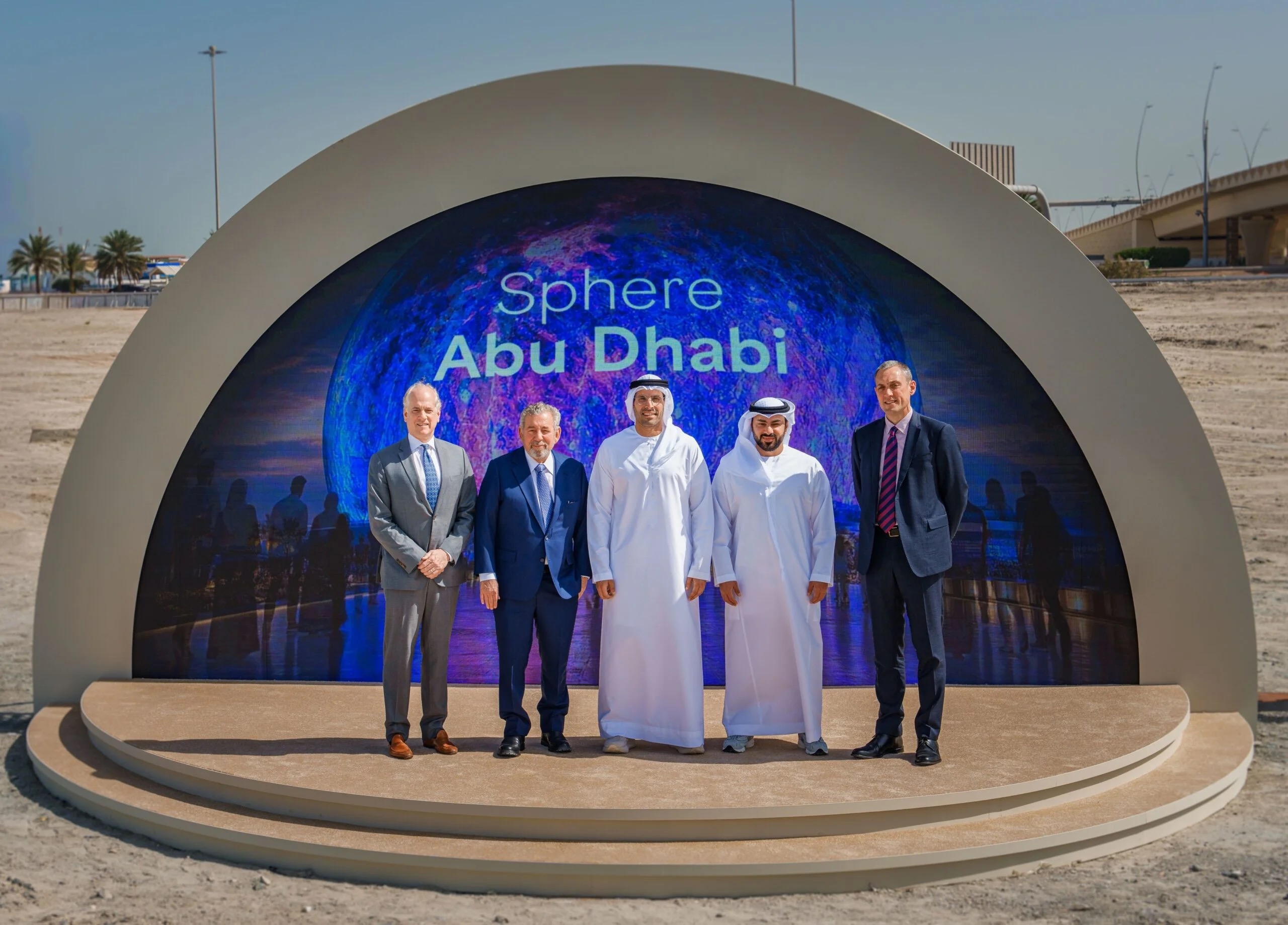
Abu Dhabi is preparing to add another architectural and entertainment landmark to its rapidly expanding tourism landscape with the announcement of a massive $1.7 billion Sphere venue on Yas Island. The futuristic project, expected to become one of the most technologically advanced entertainment arenas in the world, marks the first international expansion of the immersive Sphere concept beyond the United States.
The planned development is expected to redefine live entertainment in the Middle East while reinforcing Abu Dhabi’s ambition to position itself as a global hub for tourism, culture, technology, and large-scale events. Once completed, the Sphere Abu Dhabi is projected to attract millions of visitors annually and further transform Yas Island into one of the world’s leading entertainment destinations.
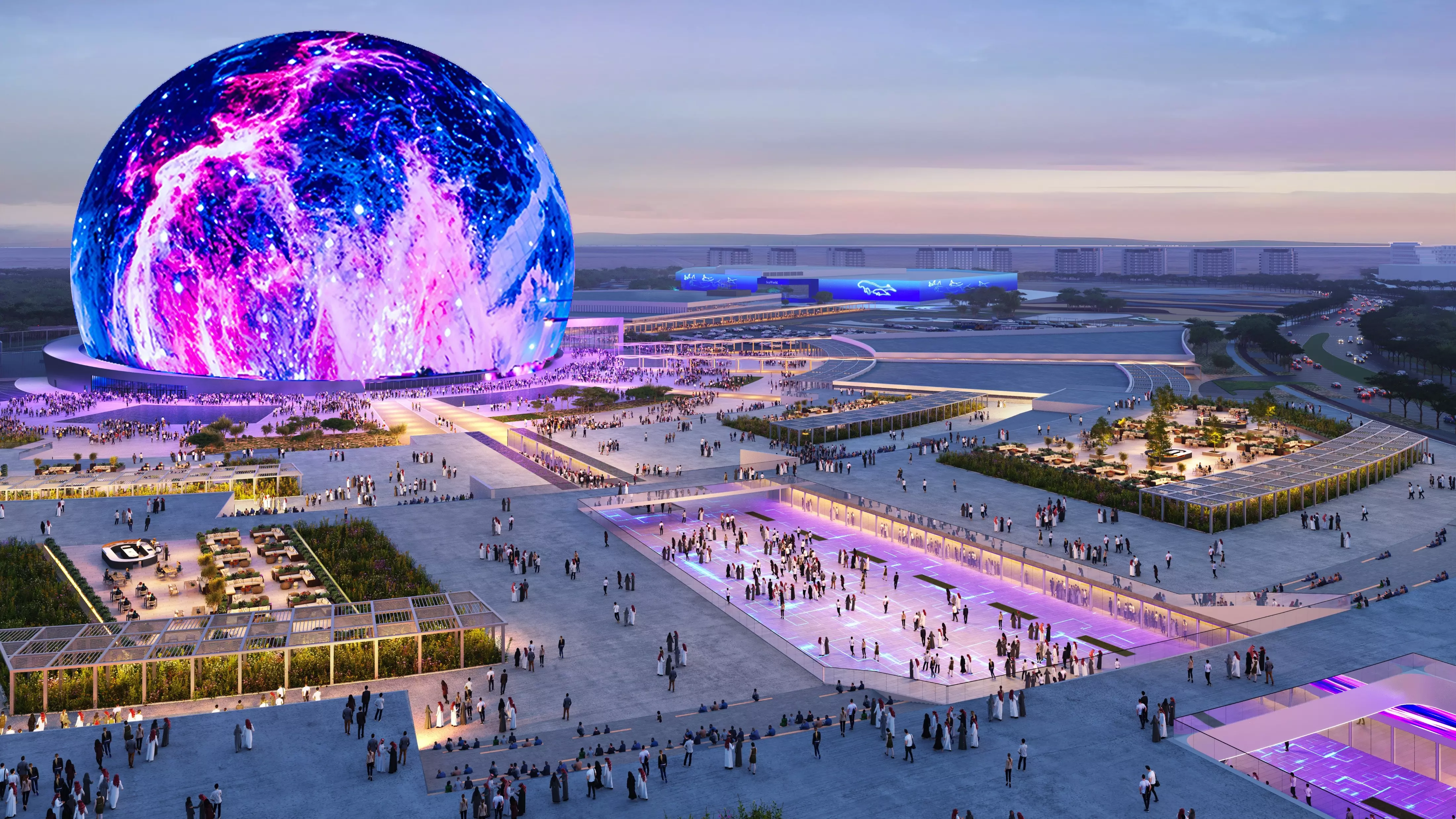
The venue will rise in the heart of Yas Island, an area already known for its theme parks, luxury resorts, shopping complexes, and international sporting events. Over the last decade, Yas Island has evolved into a centerpiece of Abu Dhabi’s tourism strategy, drawing visitors with attractions such as Ferrari World, Warner Bros. World Abu Dhabi, Yas Marina Circuit, and SeaWorld Abu Dhabi. The addition of the Sphere is expected to elevate the island’s international profile even further.
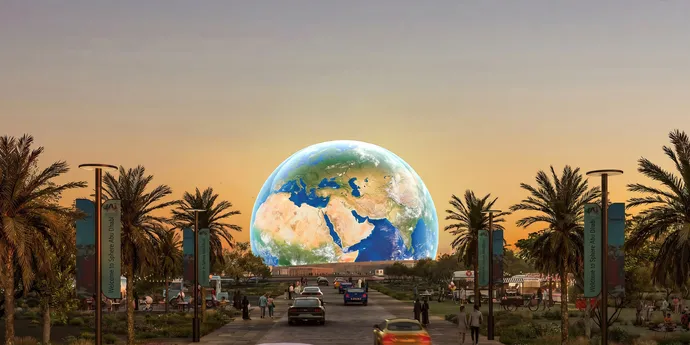
Inspired by the iconic Las Vegas Sphere, which captured worldwide attention for its giant illuminated exterior and immersive visual experiences, the Abu Dhabi project will feature cutting-edge technologies designed to create a completely new style of entertainment. The structure is expected to include a massive LED-covered exterior capable of displaying animated visuals, artistic projections, and digital storytelling visible from miles away.
Inside, visitors will experience an advanced multimedia environment combining ultra-high-resolution screens, next-generation sound systems, environmental effects, and interactive technologies. Organizers envision concerts, live performances, immersive films, esports events, conferences, and cultural showcases being hosted in the venue.
The Sphere is expected to accommodate around 20,000 guests, making it one of the region’s largest indoor entertainment venues. Industry experts believe it could attract some of the biggest names in global music, sports, and entertainment while also serving as a major venue for international business and cultural events.
Officials in Abu Dhabi have described the project as more than just an entertainment arena. According to planners, the Sphere is intended to symbolize the emirate’s long-term vision for innovation, creativity, and economic diversification. As Gulf nations continue investing heavily in tourism and culture to reduce dependence on oil revenues, projects like the Sphere are becoming central to regional development strategies.
The venue is also expected to showcase Emirati culture and storytelling through immersive digital experiences. Developers have indicated that local artists, filmmakers, and designers may contribute to visual productions and exhibitions featured inside and outside the structure. This integration of local culture with advanced global technology is seen as part of Abu Dhabi’s broader effort to build an international identity rooted in both heritage and innovation.
Construction of the Sphere is expected to generate thousands of jobs across engineering, architecture, hospitality, technology, and tourism sectors. Economists predict the project will create ripple effects throughout the local economy, benefiting hotels, restaurants, airlines, transport services, and retail businesses.
The announcement also highlights the intensifying competition among Gulf countries to establish themselves as leading entertainment and tourism centers. Saudi Arabia, Qatar, and the UAE have all launched major projects in recent years aimed at attracting international visitors and global investment. Massive sporting events, luxury tourism initiatives, and futuristic urban developments have become key components of regional economic planning.
For Abu Dhabi, the Sphere represents another step in building a global destination capable of competing with entertainment capitals such as Las Vegas, Singapore, and Dubai. Analysts believe the emirate’s focus on large-scale attractions, cultural institutions, and premium experiences is helping create a more diversified and resilient economy.
The project’s location near Yas Marina Circuit, home of the Formula One Abu Dhabi Grand Prix, is expected to increase its visibility during international sporting events and festivals. Tourism officials are already anticipating combined entertainment packages that could bring together concerts, motorsports, cultural exhibitions, and luxury travel experiences.
The Sphere may also become one of the UAE’s most recognizable landmarks due to its striking architectural design. The giant spherical structure, illuminated with dynamic digital imagery, is expected to dominate the Yas Island skyline and become a major attraction in itself, even for visitors who do not attend events inside.
Urban planners believe the development could influence future entertainment architecture worldwide. The blending of immersive digital technology with physical venue design is increasingly being viewed as the future of live experiences, especially as audiences seek more interactive and visually engaging forms of entertainment.
Despite the enormous investment involved, officials remain confident about the project’s long-term potential. Tourism in the UAE has continued to grow steadily, and Abu Dhabi has positioned itself as a premium destination for travelers seeking luxury, culture, business opportunities, and family entertainment.
As construction plans move forward, anticipation surrounding the Sphere Abu Dhabi is already growing internationally. Industry observers expect the venue to become one of the defining entertainment projects of the decade and a major symbol of the UAE’s ambitions in the fields of tourism, technology, and culture.
When completed, the Sphere Abu Dhabi could reshape how audiences experience live entertainment in the Middle East and beyond, offering a futuristic blend of art, architecture, storytelling, and immersive technology unlike anything the region has seen before.