SpaceX has reportedly agreed to an unusual compensation structure for its anticipated public offering, under which investment bankers would receive no additional fees if underwriters fully exercise the IPO’s greenshoe option. The arrangement marks a striking departure from standard Wall Street practice and highlights the company’s growing leverage in shaping the terms of one of the most closely watched market debuts in recent years.
The structure is tied to the “greenshoe” mechanism, a common feature in initial public offerings that allows underwriters to sell up to 15% more shares than originally offered. This option is designed to stabilize trading in the early days of a stock’s market debut by giving bankers the flexibility to meet excess demand and manage price volatility. In most IPOs, underwriters earn a percentage fee based on the total deal size, and additional share allocations typically increase their total compensation.
In SpaceX’s case, however, the reported arrangement flips that expectation. If demand is strong enough for underwriters to exercise the full 15% greenshoe option, the company would not pay any incremental fees beyond the base underwriting agreement. While bankers would still receive their standard compensation for managing the offering, the marginal revenue tied to the greenshoe portion would effectively be reduced to zero.
The decision reflects the unusual market position of Elon Musk’s companies, which often command significant investor attention long before any formal public listing. SpaceX, in particular, has built a dominant presence in commercial spaceflight, satellite deployment, and launch services, making it one of the most valuable private technology firms in the world. That status gives it unusual negotiating power compared to typical IPO issuers.
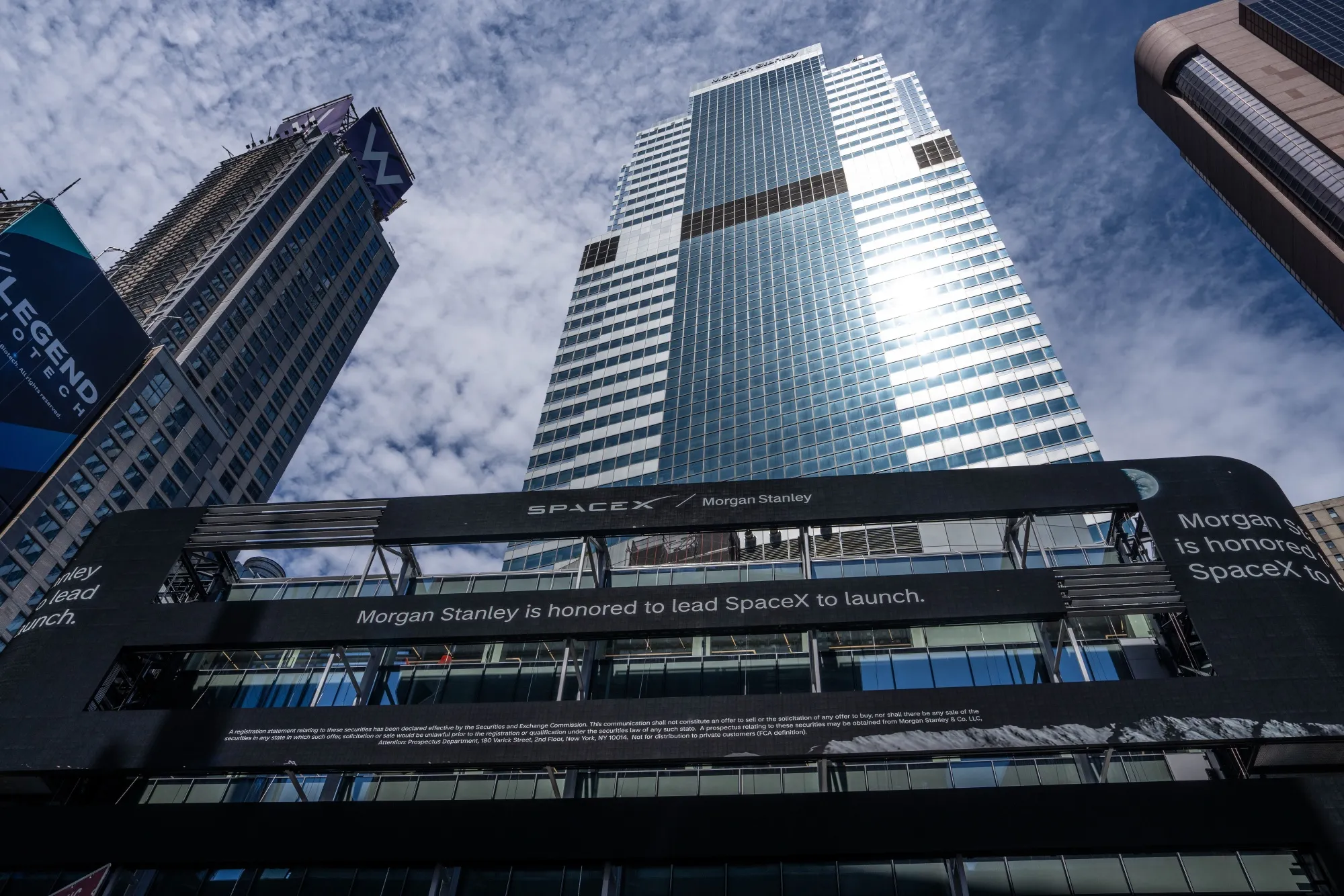
At the center of the arrangement is the mechanics of the greenshoe option itself. In a traditional IPO, underwriters may initially short-sell additional shares during the offering period. If the stock performs well after listing, they can purchase extra shares from the company at the IPO price to cover that short position. This stabilizes the stock by preventing sharp price spikes and ensuring orderly trading. The compensation structure is usually straightforward: bankers earn a fixed percentage fee on the entire offering, regardless of how the greenshoe is used.
SpaceX’s reported structure introduces a conditional element to that compensation. By eliminating additional fees tied to full greenshoe exercise, the company effectively ties banker economics to the success and stability of the offering rather than to the mechanical size of the deal. In practical terms, it reduces the financial upside for underwriters in scenarios where demand is strongest and the greenshoe is most heavily utilized.
Market analysts view the arrangement as part of a broader trend in which highly sought-after private companies are exerting greater control over IPO terms. In recent years, large technology firms have increasingly dictated pricing structures, allocation rules, and lock-up conditions, reflecting strong investor demand and limited competition for shares. SpaceX appears to be extending that trend into underwriting compensation itself.
The financial implications for banks could be significant, particularly given the scale of the offering expected. IPO underwriting fees typically range between 3% and 7% of total capital raised, depending on deal complexity and investor appetite. For a company the size of SpaceX, which is expected to command a multi-billion-dollar valuation, even small adjustments in fee structure can translate into substantial differences in banker revenue.
Despite the unusual fee arrangement, investment banks are still expected to compete aggressively for roles in the offering. The prestige associated with handling a landmark IPO like SpaceX is likely to outweigh the marginal reduction in greenshoe-related compensation. Participation in such a deal can also strengthen long-term client relationships and lead to future advisory mandates, secondary offerings, and debt financing opportunities.
The move also underscores SpaceX’s confidence in its market reception. By effectively assuming full demand for its shares, the company is signaling that it expects strong institutional and retail interest without requiring extensive stabilization efforts. A fully exercised greenshoe often indicates robust demand, suggesting that the stock is trading well above the offering range in its early days.
SpaceX’s broader business profile reinforces that confidence. The company has become a central player in global space infrastructure, operating a high-frequency launch system that supports commercial, government, and scientific missions. Its Starlink satellite internet division has also expanded rapidly, adding a recurring revenue stream that has drawn considerable attention from investors assessing its long-term growth potential.
The IPO structure also highlights the influence of its leadership under Elon Musk, who has previously demonstrated a willingness to challenge conventional financial and corporate norms. From unconventional capital raises to direct listings and social media-driven market communication strategies, Musk-led companies have frequently experimented with structures that differ from traditional corporate finance playbooks.
If implemented, the greenshoe-related fee arrangement could set a precedent for future mega-IPOs. Other high-demand private firms may seek similar terms, particularly those with strong brand recognition, large pre-existing investor bases, or significant private market valuations that reduce pricing uncertainty.
However, some observers caution that such structures could introduce tension between issuers and underwriters. Banks rely heavily on predictable fee income from IPOs, and reducing marginal compensation could alter how aggressively they allocate resources to certain deals. In extreme cases, it could even influence the willingness of some firms to participate in underwriting syndicates unless compensated through alternative mechanisms.
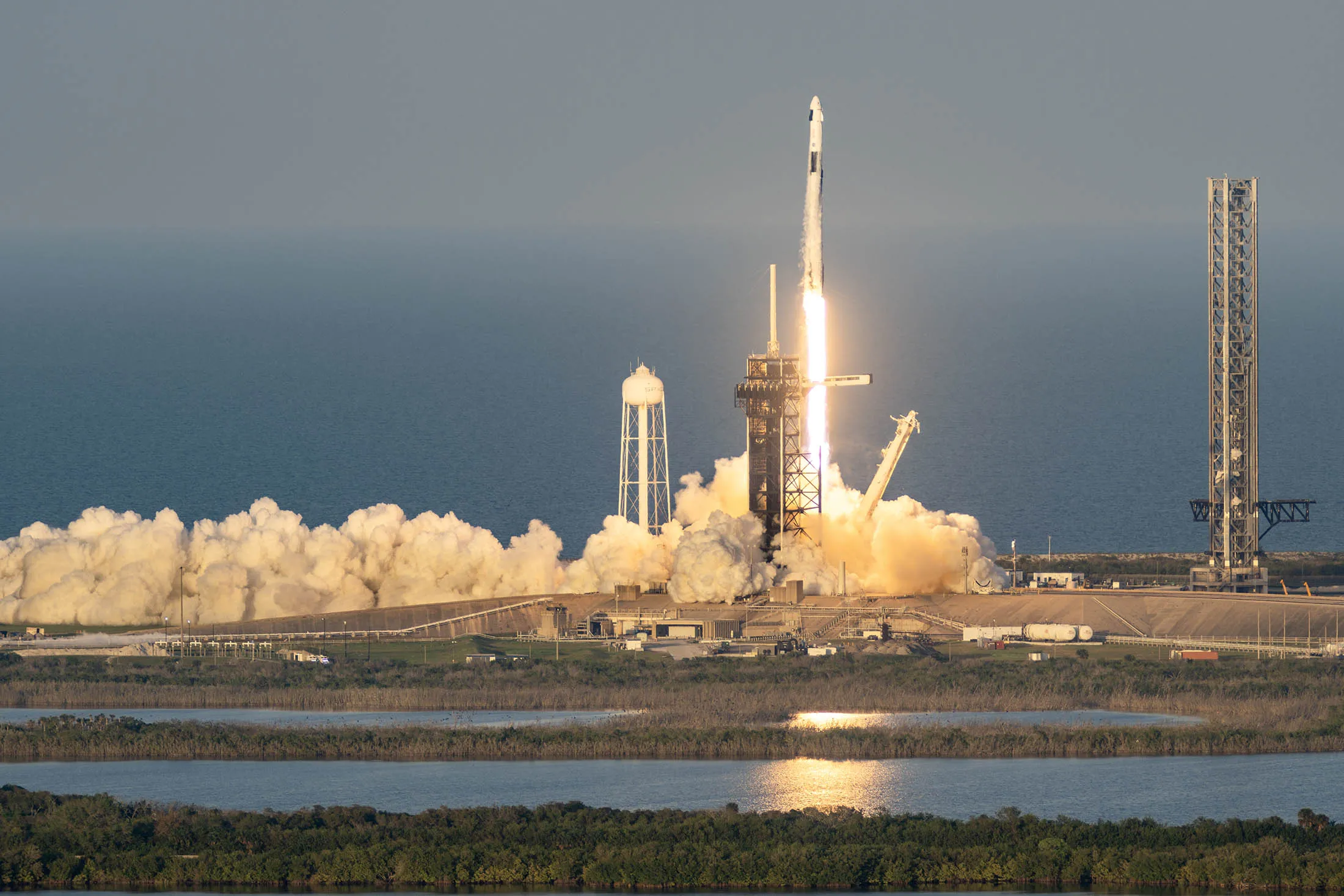
Still, given SpaceX’s scale and global profile, most analysts believe the offering would remain highly competitive among financial institutions. Even with modified fee structures, the opportunity to participate in one of the largest and most high-profile IPOs in history is expected to generate strong demand from Wall Street firms.
Ultimately, the reported arrangement reflects both the maturity of SpaceX as a private enterprise and the evolving dynamics of modern capital markets. As companies like SpaceX move closer to public listings, they are not merely entering existing financial systems—they are increasingly reshaping them. In this case, the reshaping begins with a simple but powerful idea: if demand is strong enough, even Wall Street’s oldest incentive structures may be up for negotiation.