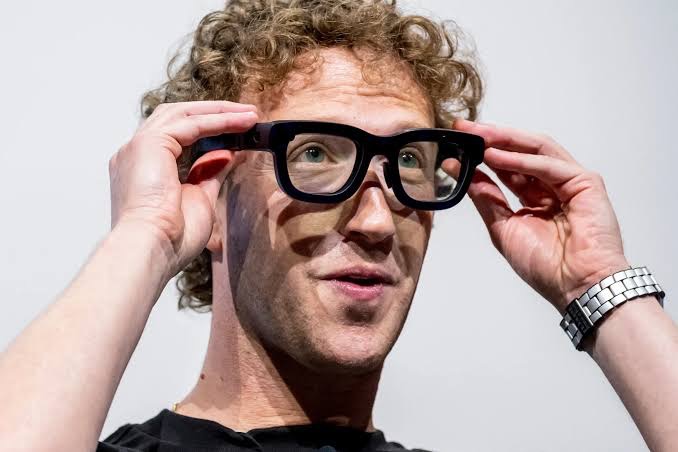
New York is set to introduce a statewide ban on smart glasses in all courthouses, marking a significant step toward strengthening privacy and courtroom security as wearable technology becomes increasingly advanced. The proposed measure aims to prevent unauthorized recording, protect sensitive legal proceedings, and address growing concerns that modern smart eyewear can be used to secretly capture audio, video, and images inside court facilities.
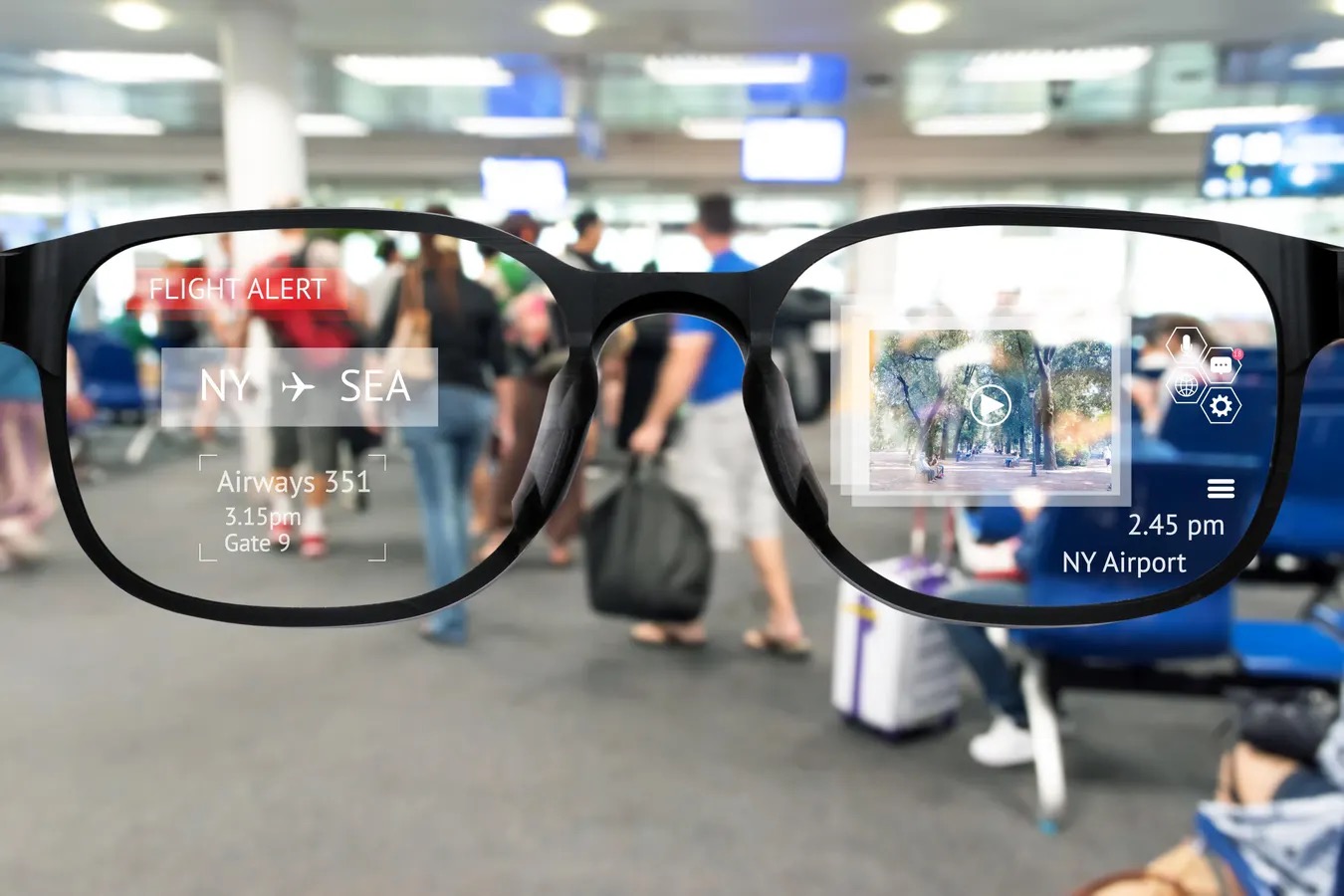
The move comes at a time when smart glasses are rapidly gaining popularity among consumers. Equipped with miniature cameras, microphones, artificial intelligence features, internet connectivity, and voice assistants, these devices are capable of recording high-quality footage while appearing almost identical to ordinary prescription glasses or sunglasses. Their discreet design has prompted concerns among court administrators and legal experts who argue that traditional security measures are no longer sufficient to regulate emerging technologies.
Under the proposed policy, visitors entering courthouses throughout New York would not be allowed to wear or carry smart glasses capable of recording or transmitting audio or video unless specifically authorized for official purposes. The restrictions are expected to apply to attorneys, litigants, witnesses, jurors, members of the public, journalists, and anyone else entering court buildings. Certain exemptions may be provided for law enforcement personnel or court officials using approved devices as part of their official responsibilities.
Court officials say the proposal is intended to preserve the integrity of judicial proceedings and protect individuals participating in sensitive cases. Courtrooms often involve confidential testimony, protected witnesses, sealed evidence, family disputes, juvenile cases, and criminal proceedings where unauthorized recording could compromise both legal processes and personal privacy.
Unlike smartphones or handheld cameras, smart glasses can operate almost invisibly. Because they resemble conventional eyewear, security personnel may find it difficult to determine whether a visitor is wearing an ordinary pair of glasses or a sophisticated recording device. This creates new challenges for courthouse security, particularly in facilities that rely on visual inspections and metal detectors designed for more traditional electronic devices.
Officials believe the widespread availability of wearable technology has created gaps in existing courthouse policies. While many courts already prohibit photography, video recording, and live broadcasting inside courtrooms without prior approval, those rules were established before smart glasses became commercially available. The new proposal seeks to update courthouse regulations to reflect technological developments that have transformed everyday accessories into powerful digital devices.
Supporters of the ban argue that protecting courtroom confidentiality has become more important than ever. Witnesses may be reluctant to testify openly if they fear being secretly recorded, while jurors could face privacy risks if their identities are captured and shared online. Victims involved in criminal or domestic violence cases may also face additional concerns if unauthorized recordings are distributed through social media or other digital platforms.
The proposal is also intended to safeguard confidential legal discussions that often take place inside courthouse corridors, waiting rooms, attorney consultation areas, and administrative offices. Even outside courtrooms themselves, sensitive conversations involving legal strategy, settlement negotiations, or personal information could potentially be captured without consent through wearable devices.
Advances in artificial intelligence have added another layer of concern. Many of the latest smart glasses incorporate AI-powered capabilities such as object recognition, real-time language translation, voice transcription, facial identification, and instant internet searches. Legal experts warn that these features could create unforeseen risks if used during judicial proceedings, particularly in situations where confidential information is discussed or where external assistance could influence testimony.
Privacy advocates have largely welcomed the proposed restrictions, arguing that wearable cameras pose unique challenges because people nearby often cannot tell when recording is taking place. Unlike smartphones, which usually require visible handling to capture photos or videos, smart glasses can record continuously while users appear to be engaged in ordinary conversation.
Court administrators also note that enforcing existing recording bans has become increasingly difficult as technology continues to shrink in size. Devices that once required bulky cameras or recording equipment can now fit into everyday accessories such as glasses, watches, pens, or clothing, making traditional security procedures less effective.
Some legal professionals believe the ban will provide greater clarity for courthouse staff by establishing uniform statewide rules rather than allowing individual courts to develop separate policies. A consistent approach would make enforcement easier and reduce confusion among visitors regarding what devices are permitted inside court buildings.
However, the proposal has also generated debate among technology advocates and accessibility organizations. Some argue that smart glasses serve important functions beyond photography and recording. Certain devices assist individuals with visual impairments by reading text aloud, providing navigation assistance, identifying objects, or displaying live captions during conversations. Others offer hearing assistance through real-time speech transcription.
Critics of a blanket prohibition argue that regulations should distinguish between assistive technology and devices primarily intended for recording or entertainment. They contend that people with disabilities should continue to have access to technologies that improve accessibility while appropriate safeguards are introduced to protect courtroom privacy.
Technology companies have emphasized that many modern smart glasses include built-in privacy features such as visible recording indicators, notification lights, and user-controlled recording settings. Nevertheless, critics argue that these safeguards are not always easily noticed by others and may not provide adequate reassurance in highly sensitive environments like courthouses.
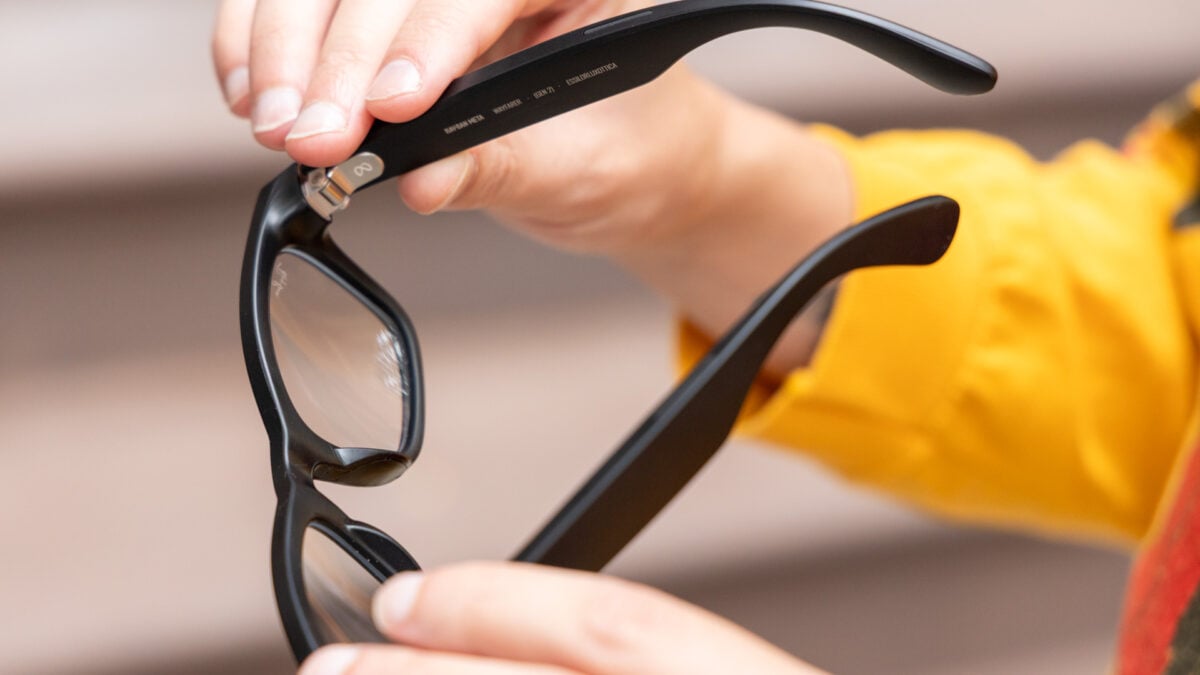
New York’s proposed ban reflects a broader trend among governments and institutions reassessing the impact of wearable technology. Schools, hospitals, research laboratories, government offices, corporate headquarters, and secure facilities have increasingly introduced restrictions on smart glasses due to concerns about confidential information, intellectual property, and unauthorized surveillance.
Legal analysts believe the proposal could influence other states considering similar regulations. As wearable devices become more sophisticated and artificial intelligence capabilities continue to expand, judicial systems across the country are expected to revisit rules governing electronic devices inside court facilities. Many observers see New York’s initiative as an early example of how governments are adapting long-standing legal procedures to address emerging technologies.
If implemented, the policy would reinforce the principle that courtrooms must remain secure environments where justice can be administered without fear of unauthorized recording or digital interference. While wearable technology continues to transform communication and daily life, courts face the challenge of balancing innovation with the need to protect privacy, maintain fairness, and preserve public confidence in the legal system.
The proposed ban highlights the growing intersection of technology and law, underscoring how rapid advances in consumer electronics are reshaping policies in institutions that depend on confidentiality and trust. As smart glasses become increasingly common, New York’s decision may set an important precedent for how public institutions respond to the opportunities and challenges created by next-generation wearable devices.