In a surprising turn of events, the state of Victoria has decided to end its $3,000 electric vehicle (EV) discount program earlier than anticipated. The program, which aimed to incentivize the adoption of electric cars, has been popular among residents, but budget constraints have forced the government to curtail the initiative sooner than expected.
The Victorian government initially introduced the $3,000 EV discount as part of its broader strategy to promote sustainable transportation and reduce greenhouse gas emissions. The program offered a financial incentive to residents who purchased eligible electric vehicles, making EV ownership more affordable and accessible.
However, due to budgetary limitations and competing priorities, the Victorian government recently announced that it will be discontinuing the program ahead of schedule. The decision comes as a disappointment to many electric vehicle enthusiasts who had planned their purchases based on the availability of the discount.
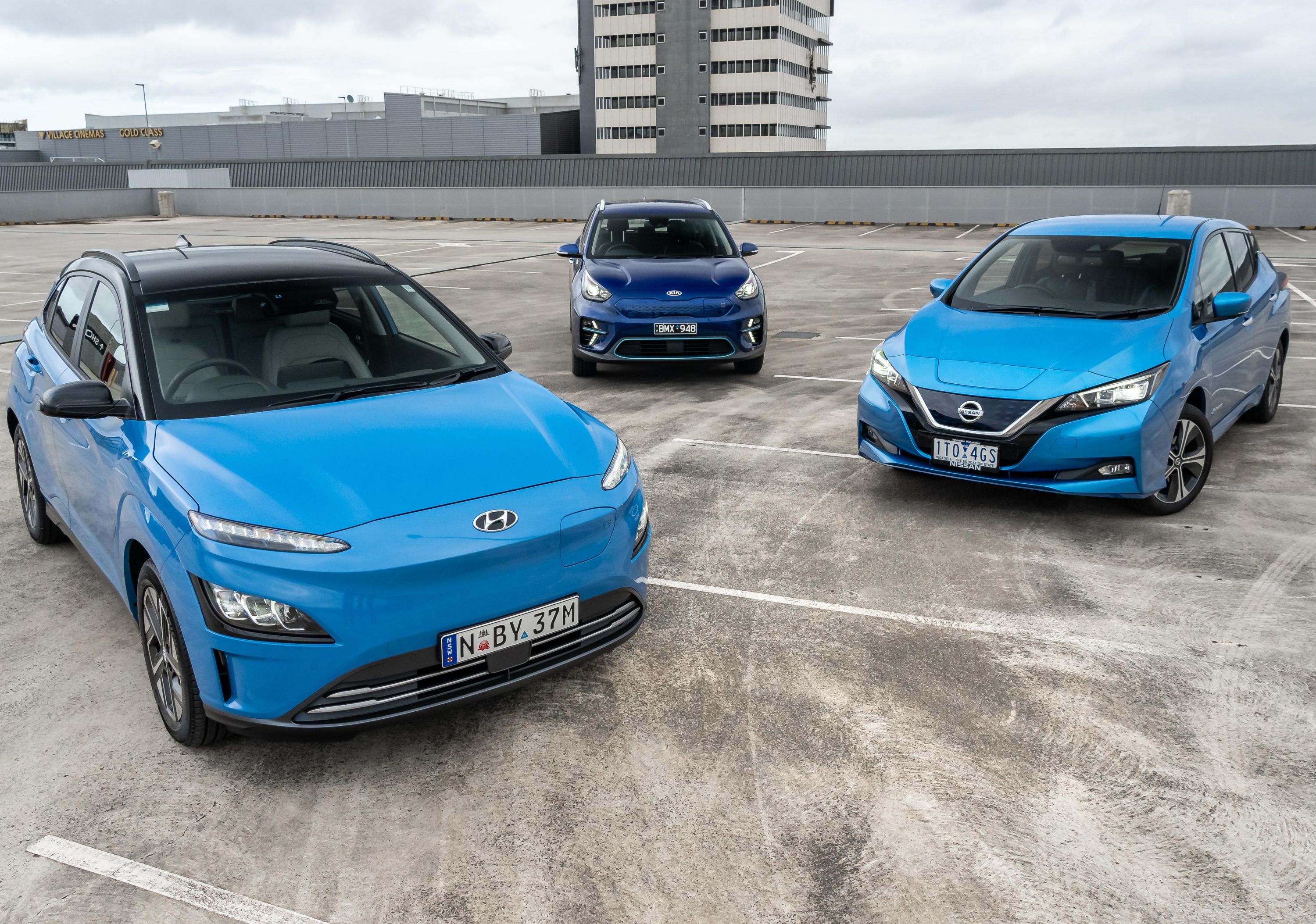
The decision to end the program early has drawn criticism from environmental activists and clean energy advocates who argue that the move undermines the state’s commitment to combating climate change and transitioning to a low-carbon economy. They believe that discontinuing the EV discount prematurely sends the wrong message and could hinder the adoption of electric vehicles in Victoria.
Supporters of the program argue that the $3,000 discount played a vital role in encouraging residents to choose electric vehicles over traditional internal combustion engine cars. The financial incentive not only made EVs more affordable but also helped raise awareness about the benefits of electric mobility and the importance of reducing air pollution.
The early termination of the EV discount program in Victoria raises concerns about the government’s long-term commitment to sustainable transportation. Electric vehicle manufacturers and dealerships may face a temporary setback as potential buyers reassess their options in light of the discontinued incentive.
Despite this setback, the electric vehicle market in Australia is expected to continue growing, driven by factors such as decreasing battery costs, improved charging infrastructure, and global efforts to combat climate change. Other states and territories in Australia still offer various incentives, including financial rebates and exemptions from registration fees, which may help offset the loss of the Victorian discount.
In response to the discontinuation of the EV discount program, industry stakeholders are calling for a renewed focus on implementing comprehensive and consistent national policies to support electric vehicle adoption. They emphasize the importance of a coordinated approach to ensure a smooth transition to cleaner transportation and to encourage investment in EV manufacturing and infrastructure.
While the early end to Victoria’s $3,000 electric vehicle discount program is disappointing news for EV enthusiasts, it highlights the ongoing challenges faced by governments in balancing budget constraints with environmental priorities. As the demand for electric vehicles continues to rise, stakeholders will be closely watching for further developments and policy changes to support the growth of electric mobility in Australia.