In a significant development that could impact the nation’s energy supply, workers at Chevron Australia’s liquefied natural gas (LNG) facilities initiated a strike today, demanding fair wages and improved working conditions. The industrial action, which began early this morning, has raised concerns about the future of LNG production and its potential effects on both the local and global energy markets.
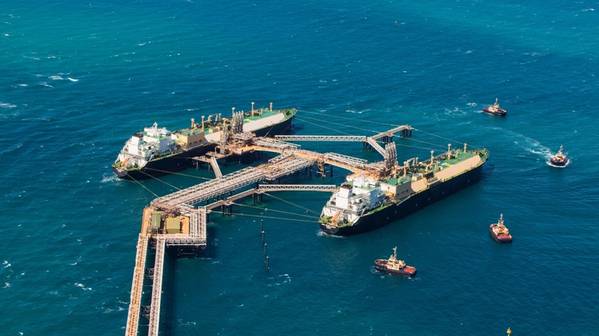
Chevron Australia’s LNG operations, located in Western Australia’s northwest, are a critical component of the nation’s energy sector, producing a substantial portion of Australia’s LNG exports. The facilities, including the Gorgon and Wheatstone LNG projects, have a combined capacity of over 30 million metric tonnes per annum.
The strike, organized by the Construction, Forestry, Mining, and Energy Union (CFMEU), primarily stems from concerns related to workers’ wages and working conditions. Employees are demanding fair pay increases in line with the rising cost of living, as well as improvements in safety measures, workplace environments, and job security.
The Key Demands of the Striking Workers Include:
- A substantial wage increase to match the increased cost of living.
- Enhanced safety measures and improved working conditions.
- Increased job security guarantees, including protections against outsourcing and job cuts.
- A commitment to renewable energy initiatives and job training for transitioning to greener roles.
The strike, involving thousands of Chevron employees, has resulted in the temporary shutdown of key LNG production facilities. Chevron Australia has reported that the strike has already had a noticeable impact on daily operations, with the company temporarily ceasing production at some of its LNG trains. Industry experts are closely monitoring the situation, as any prolonged disruption to LNG production could have ramifications for both domestic and international energy markets.
The CFMEU, representing the striking workers, has issued a statement outlining their commitment to negotiating a fair and equitable resolution with Chevron Australia. Union officials expressed hope that a swift and satisfactory agreement could be reached, emphasizing the importance of the LNG sector to Australia’s economy.
In response to the strike, Chevron Australia released a statement acknowledging the concerns of its employees and their right to take industrial action. The company indicated its willingness to engage in negotiations with the CFMEU to reach a mutually beneficial resolution.
Local and federal government officials are closely monitoring the situation and have expressed their desire to see a prompt and amicable resolution to the dispute. Energy Minister [Name], in a recent statement, underscored the importance of LNG production to the country’s energy security and urged both parties to work together to find a solution.
As the strike unfolds, it raises questions about the broader implications for Australia’s energy sector, as well as the potential impact on global LNG markets. With negotiations between Chevron Australia and the CFMEU ongoing, all eyes are on the outcome of these talks and whether they will pave the way for a swift resolution to the strike, ensuring the resumption of normal LNG production in the near future. The consequences of this labor dispute could have far-reaching effects on both Australia’s energy landscape and international energy markets, making it a situation of significant national and global importance.