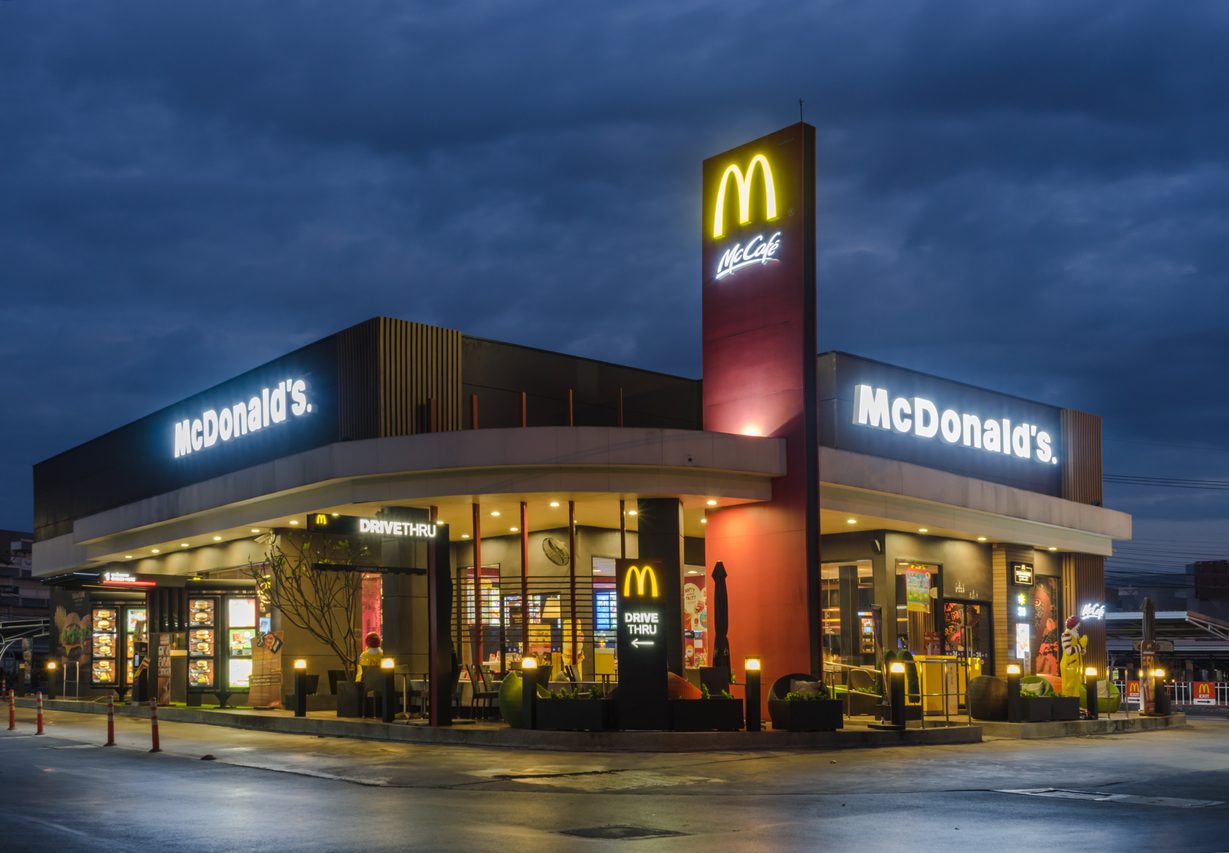
McDonald’s, one of the world’s largest and most recognizable fast-food chains, is making a strategic move to increase its revenue by taking a larger portion of sales from certain franchised locations. This shift in the company’s business model aims to enhance profitability and maintain consistency across its vast network of restaurants.
The decision comes as McDonald’s continues to navigate the evolving landscape of the fast-food industry, which has seen considerable shifts in consumer preferences and dining habits.
According to reports, McDonald’s will be implementing this change in selected locations, focusing on restaurants where profit margins have traditionally been higher. The move is part of an effort to streamline operations and maximize the overall efficiency of the franchise system.

While this adjustment may mean that some franchisees will see a reduction in their share of sales revenue, McDonald’s emphasizes that it is committed to working collaboratively with its operators to ensure a smooth transition. The company believes that this strategic shift will ultimately benefit both the franchisor and franchisees by strengthening the brand and supporting growth initiatives.
In a statement, McDonald’s spokesperson [Spokesperson Name] stated, “Our franchisees are the backbone of our business, and their success is our top priority. We are confident that this new approach will contribute to the long-term success and sustainability of our franchise system.”
McDonald’s has a long history of franchising, with a vast global network of independently owned and operated restaurants. This business model has played a significant role in the company’s expansion and global presence. It is estimated that over 90% of McDonald’s restaurants worldwide are operated by franchisees.
Industry experts suggest that this move may be a response to changing market dynamics, including increased competition in the fast-food sector and shifting consumer preferences towards healthier options and digital ordering. By taking a larger share of sales revenue, McDonald’s may be better positioned to invest in technology upgrades, marketing initiatives, and menu innovations that can drive growth and keep the brand relevant in a highly competitive market.
The news of McDonald’s adjusting its revenue-sharing model comes at a time when the company has been actively exploring ways to modernize its restaurants, expand its digital presence, and adapt to changing consumer expectations. This strategic decision aligns with McDonald’s broader efforts to remain a leader in the fast-food industry and continue to serve its loyal customer base.
It is worth noting that this change in the franchise system is expected to be gradual and focused on specific markets where it makes strategic sense. McDonald’s will likely continue to collaborate with franchisees to fine-tune the details of the revenue-sharing adjustments.
As McDonald’s moves forward with this new approach, both the company and its franchisees will closely monitor the impact of these changes on sales, profitability, and customer satisfaction. The fast-food giant remains committed to delivering quality food, convenience, and a consistent dining experience to its customers around the world.