In a startling revelation, it has come to light that Cruise, the autonomous vehicle company, was aware of its robotaxis’ challenges in detecting children but chose to continue their operations regardless. The troubling information has raised serious concerns about the prioritization of profits over safety in the development and deployment of self-driving technology.
Sources familiar with the matter claim that Cruise’s internal documents acknowledge the difficulty their autonomous vehicles face in accurately detecting and responding to the presence of children, particularly in urban settings. Despite these known limitations, the company reportedly opted to keep the robotaxis on the road without implementing sufficient measures to address the issue.
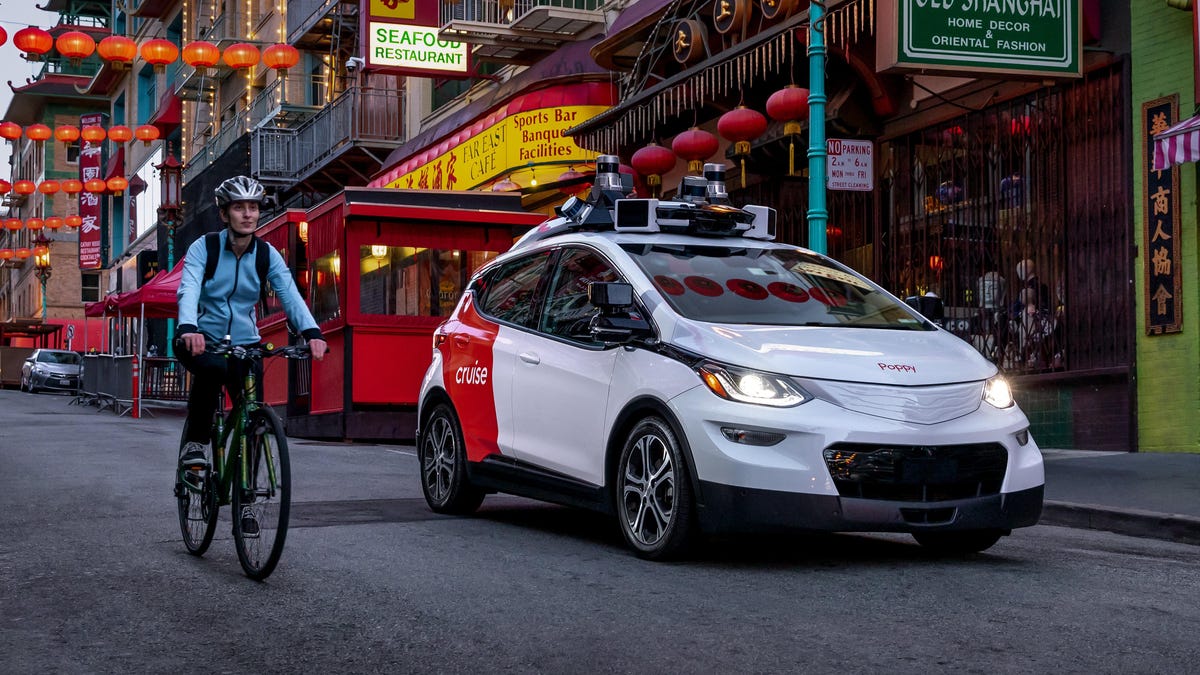
The revelation has sparked outrage among safety advocates and the general public, who question the ethical implications of deploying autonomous vehicles that may struggle to navigate scenarios involving children, a vulnerable and unpredictable demographic.
Critics argue that the decision to continue operations without adequately addressing the detection issue underscores a broader problem within the autonomous vehicle industry—balancing the pursuit of cutting-edge technology with the imperative to ensure public safety. The incident brings into question the responsibility of companies like Cruise in disclosing potential risks associated with their self-driving systems.
In response to the controversy, Cruise released a statement asserting their commitment to safety and innovation. The company acknowledged the challenges posed by the detection of children and emphasized ongoing efforts to improve the technology. However, concerns linger about the potential consequences of operating autonomous vehicles with known limitations, especially in scenarios where the safety of pedestrians, particularly children, is at stake.

Regulatory bodies and lawmakers are now expected to scrutinize Cruise’s actions, with calls for increased transparency and accountability in the autonomous vehicle industry. The incident may prompt a reevaluation of current regulations surrounding the testing and deployment of self-driving technology to ensure that companies prioritize safety and adhere to strict standards.
As the controversy unfolds, it raises broader questions about the ethical considerations surrounding the deployment of emerging technologies and the need for comprehensive regulatory frameworks to safeguard public welfare in the rapidly evolving landscape of autonomous vehicles.