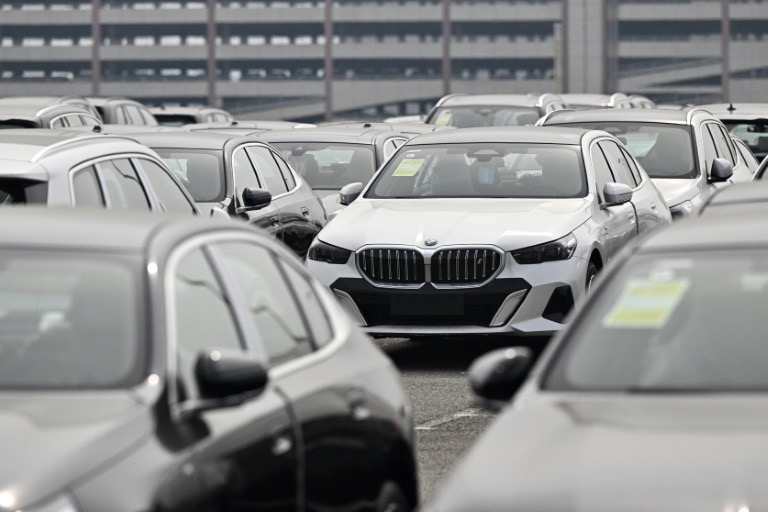
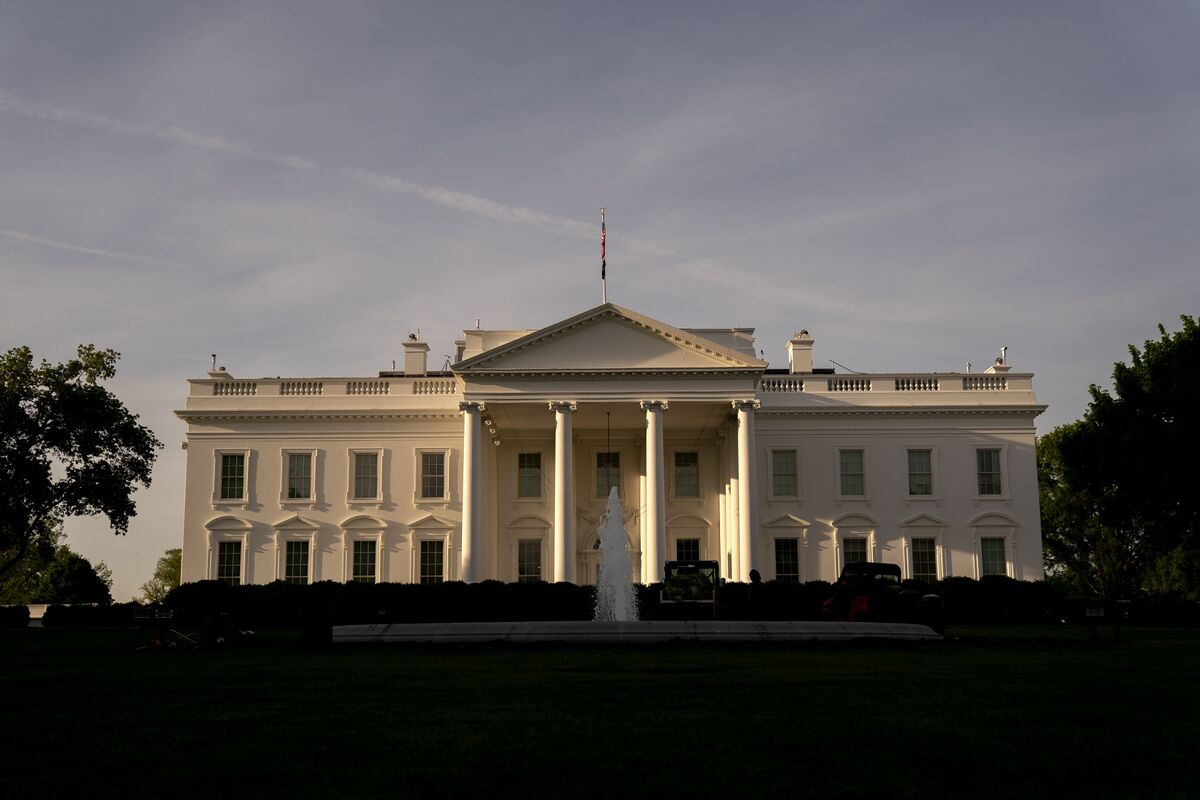
In a surprising turn of events, the White House appears to have given Tesla the cold shoulder by excluding the electric vehicle (EV) giant from a recent summit, while simultaneously crediting General Motors (GM) with “leading the electric car revolution.” This decision comes amid a stark contrast in the quarterly electric car deliveries, where Tesla outshone GM by a staggering margin.
The exclusion of Tesla from the EV summit, a platform aimed at discussing the future of electric mobility and sustainable transportation, has raised eyebrows within the industry and among Tesla enthusiasts. Tesla, led by CEO Elon Musk, has long been a pioneer in the electric vehicle sector, consistently setting industry benchmarks and driving innovation.
/cloudfront-us-east-2.images.arcpublishing.com/reuters/OVCOEKNO4NMN3OXD5BRVYIDRRU.jpg)
During the same quarter in question, Tesla delivered a remarkable 300 thousand electric cars, showcasing the company’s dominance in the market. This impressive figure stands in stark contrast to GM’s delivery of a modest 26 electric cars. The discrepancy in these numbers has prompted critics to question the basis of the White House’s decision to credit GM with leading the electric car revolution.
Tesla, headquartered in Palo Alto, California, has been at the forefront of the electric vehicle revolution, pushing the boundaries of technology and challenging the status quo. The company’s electric vehicles, including popular models like the Model 3, Model S, and Model X, have gained widespread acclaim for their performance, range, and cutting-edge features.
The exclusion of Tesla from the EV summit has fueled speculation about the potential motivations behind the decision. Some industry insiders suggest that political considerations or rivalries may have played a role in the snub. Others argue that the focus should be on promoting collaboration and innovation within the electric vehicle industry, rather than favoring one company over another.
Tesla’s CEO, Elon Musk, known for his active presence on social media, has not shied away from expressing his opinions. In response to the snub, Musk tweeted, “Strange, if true,” leaving room for interpretation regarding the motives behind Tesla’s exclusion from the summit.
Critics of the White House’s decision argue that overlooking Tesla, a key player in the EV market, undermines the goal of fostering a competitive and innovative landscape for electric mobility. Advocates for fair competition and market-driven advancements in technology are calling for a reevaluation of the criteria used to select participants for such summits.
As the electric vehicle industry continues to evolve, the spotlight remains on the actions of policymakers and their impact on the competitive landscape. The exclusion of Tesla from the recent EV summit serves as a reminder of the complexities surrounding the intersection of technology, politics, and industry recognition.