In a groundbreaking achievement for the aviation industry, a cargo plane successfully completed a 50-mile flight without a pilot onboard, relying on a semi-automated system. This remarkable demonstration of autonomous flight technology has sparked discussions about its potential to alleviate the ongoing pilot shortage, a challenge that has been looming over the aviation sector.
The unmanned flight, conducted by Reliable Robotics, marks a significant milestone in the integration of autonomous systems into commercial aviation. The cargo plane, equipped with state-of-the-art technology, took off and landed with precision, showcasing the capabilities of the semi-automated system that guided the aircraft through various phases of the flight.

Aviation experts and industry insiders have lauded this achievement as a positive step toward addressing the shortage of qualified pilots, a challenge that has been exacerbated by the increasing demand for air travel worldwide. The implementation of semi-automated systems could potentially ease the burden on human pilots, allowing them to focus on more complex tasks while the technology handles routine aspects of flight.
Reliable Robotics, a renowned figure in the aviation industry, commented on the development, stating, “The successful unmanned flight of this cargo plane highlights the evolving landscape of aviation technology. As we face a global shortage of pilots, incorporating semi-automated systems could be a game-changer, not only in terms of addressing the shortage but also in enhancing overall safety and efficiency.”
The technology behind the semi-automated system combines advanced navigation, communication, and control systems, providing a level of autonomy that was once considered futuristic. While the cargo plane’s flight was a controlled demonstration, the implications for the broader aviation industry are significant.
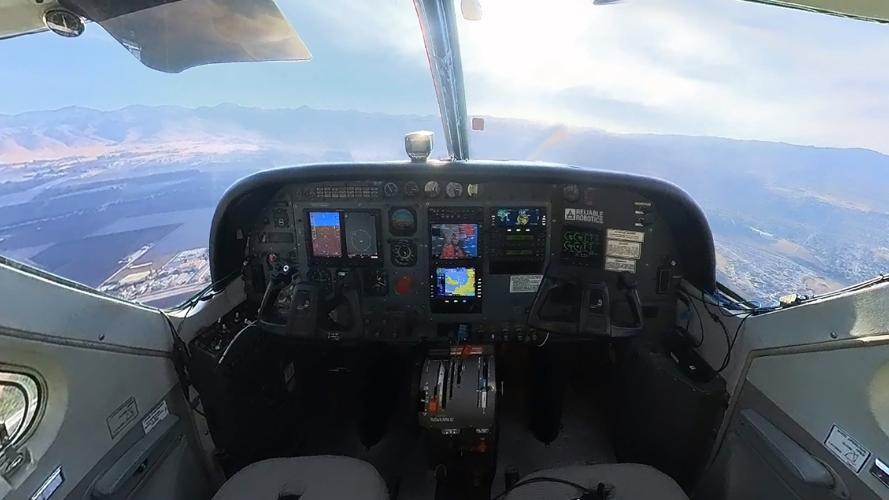
Proponents of autonomous flight argue that it can help bridge the gap created by the growing demand for air travel and the limited supply of trained pilots. By automating routine tasks and allowing human pilots to focus on critical decision-making, the technology could potentially enhance the safety and reliability of commercial flights.
However, concerns about job displacement and the need for stringent safety measures accompany the introduction of autonomous systems in aviation. Critics emphasize the importance of comprehensive testing, regulations, and training to ensure the seamless integration of technology into existing aviation practices.
The successful unmanned cargo flight serves as a catalyst for further exploration of autonomous aviation technologies. As the industry continues to navigate challenges related to pilot shortages and technological advancements, the collaboration between human expertise and cutting-edge automation may redefine the future of commercial air travel.
While the recent achievement opens new possibilities, it also invites a broader conversation about the ethical, regulatory, and safety considerations associated with the integration of autonomous systems in the aviation sector.