


In an unexpected turn of events, The Hershey Company, a global giant in the confectionery industry, is facing a legal battle over the perceived lack of artistic detail on its iconic Reese’s candies. The lawsuit, filed by a group of consumers, alleges that the popular peanut butter cups fail to meet aesthetic expectations, prompting a debate over the intersection of confectionery and art.
The legal complaint, filed in a district court, contends that Reese’s cups lack the intricate and visually appealing details that consumers have come to expect from premium chocolate products. The plaintiffs argue that the smooth, uniform surface of the Reese’s cups falls short of the artistic standards set by other high-end chocolate brands.
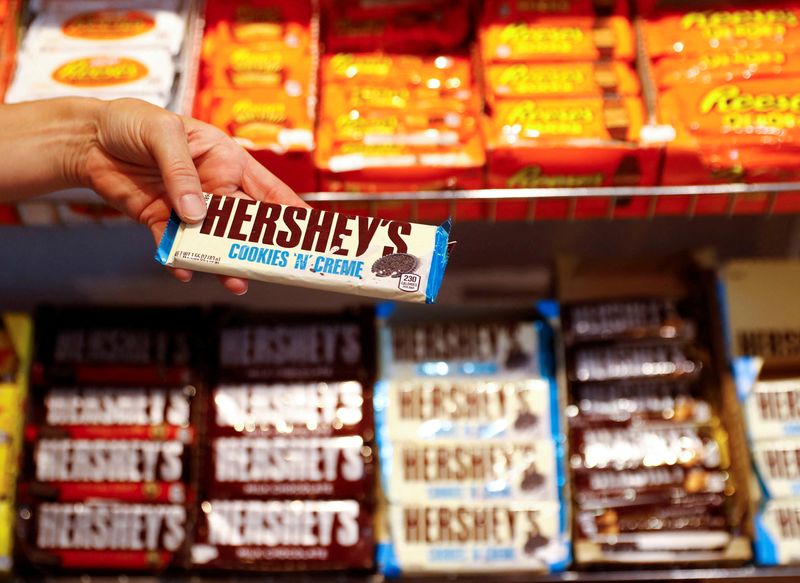
The lead plaintiff, a self-proclaimed chocolate enthusiast, claims that consumers are entitled to a certain level of aesthetic pleasure when indulging in premium chocolate treats. The lawsuit points to the increasing trend of artisanal chocolates and intricately designed confections, suggesting that Hershey’s Reese’s cups do not align with the evolving expectations of the modern consumer.
Legal experts anticipate that this case could open up a unique discussion about the intersection of art and consumer goods, particularly within the context of the confectionery industry. While taste and quality have traditionally been the focus in evaluating chocolate products, this lawsuit brings attention to the visual aspect as a potential factor in consumer satisfaction.

Hershey, in response to the legal challenge, issued a statement defending the longstanding popularity and quality of Reese’s candies. The company contends that the focus of Reese’s cups has always been on delivering a delicious combination of peanut butter and chocolate, and any perceived lack of artistic detail is subjective and does not impact the overall quality of the product.
Legal experts also note the challenges that may arise in defining and quantifying artistic detail, especially in the realm of mass-produced consumer goods. The lawsuit could potentially set a precedent for future cases involving the visual aesthetics of products that may not traditionally be considered art.
As the legal battle unfolds, consumers and industry observers will be watching closely to see how the court addresses the intersection of art and confectionery. The outcome of this case could have implications for how consumers perceive and evaluate the visual aspects of their favorite treats, potentially reshaping industry standards in the process.









