
The annual Consumer Electronics Show (CES) kicked off today in Las Vegas, emerging as a pivotal platform not just for tech enthusiasts, but notably for the automotive industry. Over the past decade, the show has witnessed a transformative shift, with automakers and their suppliers seizing the opportunity to showcase cutting-edge innovations, making CES arguably more influential than traditional auto shows in cities like Chicago, Detroit, and Los Angeles.
In recent years, the line between automotive and technology industries has blurred, leading major automakers to recognize CES as a crucial stage to unveil their latest advancements in smart vehicles, electric mobility, and autonomous driving technologies. This year’s CES promises to be no exception, with a focus on the convergence of automotive and tech innovations that shape the future of transportation.

Traditionally, auto shows in cities like Chicago, Detroit, and Los Angeles were regarded as the primary platforms for car manufacturers to unveil new models and concepts. However, as technology became an integral part of the automotive landscape, CES emerged as the go-to event for showcasing the latest in connected cars, artificial intelligence, and in-car entertainment systems.
The shift in emphasis from traditional auto shows to CES reflects the changing dynamics of the automotive industry. Car manufacturers are no longer limited to demonstrating horsepower and design; they are now at the forefront of showcasing innovations in electric and autonomous vehicles, advanced driver assistance systems, and connectivity solutions.
One notable advantage of CES over traditional auto shows is its broader audience, attracting not only industry professionals but also tech enthusiasts, investors, and the general public. This diversity allows automakers to gauge consumer interest and receive real-time feedback on their latest technological offerings.
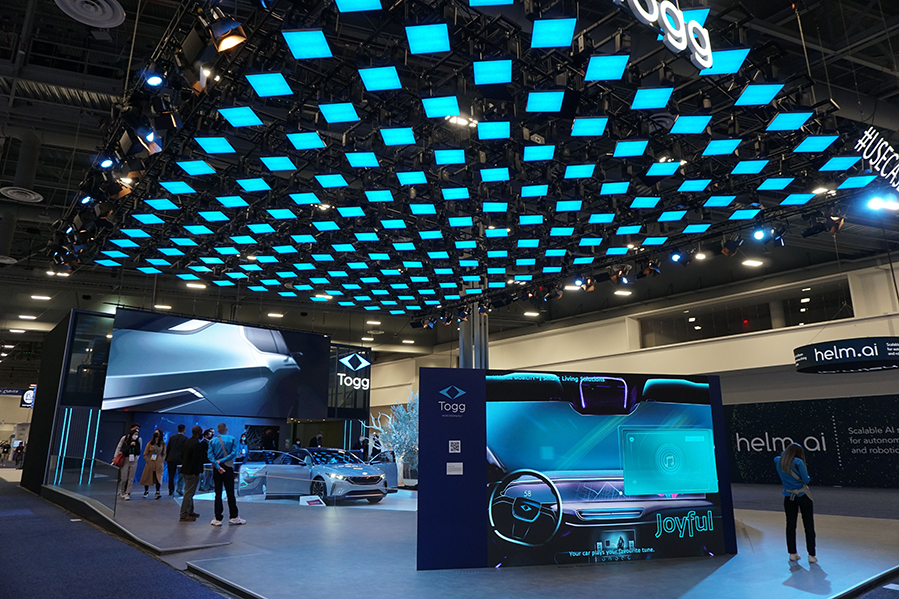
As this year’s CES unfolds, attendees can expect a showcase of cutting-edge technologies, including advancements in electric vehicles, smart cities, and sustainable mobility solutions. Major automotive players are expected to unveil their latest models, concepts, and breakthroughs in areas such as artificial intelligence, augmented reality, and 5G connectivity.
The shift in focus from traditional auto shows to CES does not diminish the importance of the former, but rather highlights the evolution of the automotive industry into a tech-driven ecosystem. CES has become a stage for automakers to demonstrate their commitment to innovation and adaptability in an era where the boundaries between cars and technology continue to blur.
With CES cementing its status as a crucial auto show, the future of the automotive industry is increasingly intertwined with the world of technology, promising an era of smarter, more connected, and sustainable transportation solutions.