Vice President Kamala Harris is going to propose several tax reductions aimed particularly at middle class people in order to stimulate economic development and render comfort to many families within America. This pronouncement, which is expected this week would be part of the greater economic strategy states’ administration.
Strengthening Middle Class is the Intent
The proposed tax cuts would assist low and middle-income households with their rising living expenses during times of uncertain economic conditions. Some sources within the administration purportedly say that this scheme may include reduction in income tax rates for individuals or families earning between $50,000 and $150,000 a year. Inflation and stagnating wages have especially been hard on this group that forms the backbone of US economy.

“Vice President Harris has always been a strong advocate for the middle class,” said one high-ranking official from within the government. “This tax proposal is about putting more money back into the pockets of hard-working Americans, allowing them to save, invest, and spend in ways that will drive our economy forward.”
The tax reductions appear to be incorporated within a larger plan aimed at stimulating economic growth through encouraging small businesses, investing in infrastructure and supporting renewable energy initiatives. The government is eager to show its hat for a well-rounded approach which focuses on urgent economic issues but also prepares for durable and sustainable development over time.
Moreover, it is expected that there will be measures aimed at preventing high earners from benefiting much from these tax cuts; this was one of the controversies discussed during earlier debates over tax policies. With this in mind, the administration intends to introduce limits and gradual reductions so that such benefits can reach those who need them most.
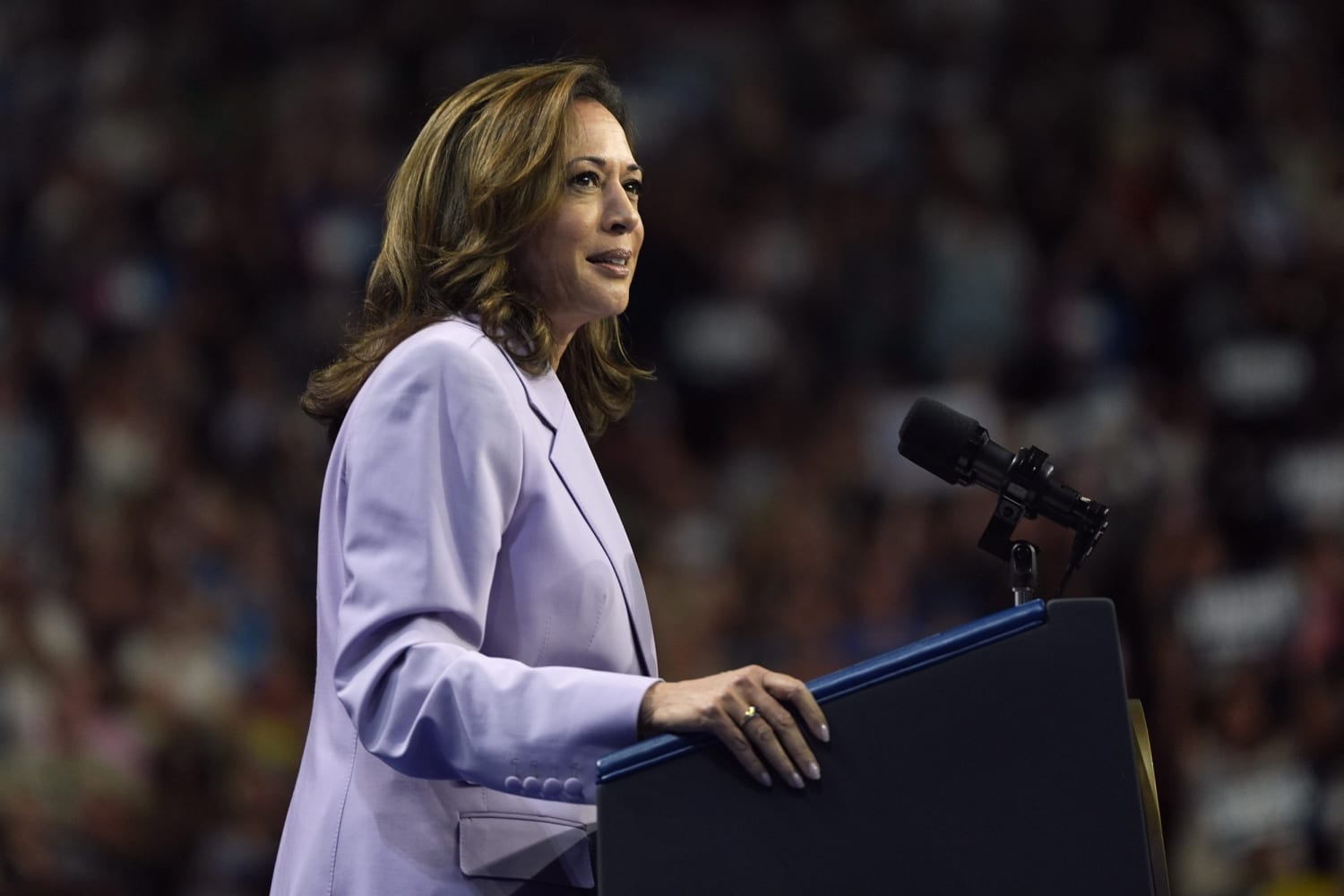
The offer arrives at an important moment, since the government wants to bolster its economic credentials ahead of forthcoming elections. Though many middle-class voters are going to appreciate the proposal, it is also anticipated that fiscal conservatives who may have worries about its effect on the federal budget deficit will scrutinize it.
Economists are divided over what would happen if these tax cuts were implemented. Proponents contend that when middle class families pay less in taxes, they are likely to spend more and this would lead to economic growth. However, detractors warn that without compensating diminutions in government spending or additional revenue from other sources, such tax breaks might worsen national debt.
In future times
Vice President Harris will probably officially announce the tax proposal in a speech later this week detailing its contents and justification for this policy. After this, Congress would investigate the proposal with fierce discussions among legislators being expected.
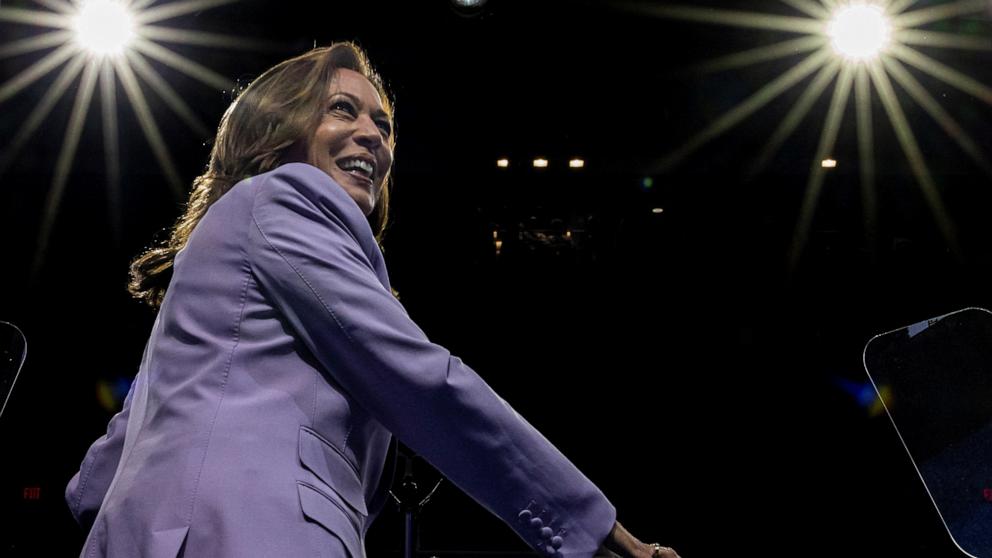
As the administration prepares itself for making such major policy pronouncement all attention is likely to be directed towards how it is received both in the US public and on Hill. If successful, the tax breaks could provide a much-needed boost to average earners while at the same time reminding people about addressing economic disparity as part of President’s agenda.