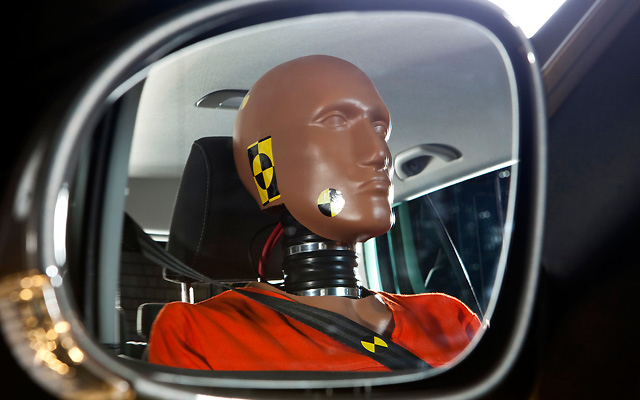
In a significant departure from the prevailing trend towards sleek touchscreen interfaces, the European New Car Assessment Programme (Euro NCAP) has issued a bold statement urging automakers to reintroduce physical controls in vehicles to enhance safety and minimize driver distraction.
Euro NCAP, renowned for rigorously evaluating vehicle safety, contends that the increasing reliance on touchscreen-based infotainment systems and controls poses a potential hazard, diverting drivers’ attention away from the road. The call for a return to physical controls is grounded in the belief that tactile interfaces can significantly reduce the risk of accidents and improve overall driver focus.
Michel Bellon, President of Euro NCAP, emphasized the organization’s commitment to prioritizing safety in the automotive industry. “While technological advancements have undoubtedly brought innovation to the driving experience, we must not compromise safety. The tactile feedback provided by physical controls can enhance driver attention and response times, contributing to a safer driving environment,” Bellon stated.

The recommendation aligns with a growing body of research suggesting that touchscreens, which have become commonplace in modern vehicles, may contribute to an increased cognitive load on drivers. Critics argue that the lack of physical buttons and knobs can make it challenging for drivers to operate essential functions without diverting their attention from the road.
Euro NCAP’s stance may prompt a reassessment of the industry’s design priorities, as car manufacturers have increasingly embraced touchscreen interfaces for aesthetic and technological reasons. The organization’s advocacy for physical controls reflects a broader concern for the safety implications of the current trajectory in automotive design.
Several high-profile accidents in recent years have raised questions about the impact of in-car technology on road safety. The push for autonomous features and advanced infotainment systems has brought forth a need for a balanced approach that prioritizes both innovation and safety.
Automakers, in response to Euro NCAP’s recommendations, will face decisions on how to strike the right balance between technological sophistication and safety. As the automotive industry continues to evolve, the call for a reevaluation of design choices underscores the ongoing conversation about how to create vehicles that not only push the boundaries of innovation but also prioritize the well-being of drivers and passengers on the road.