


In a bold move to protect national heritage and employment, the Italian government announced today a groundbreaking mandate that all electric vehicles (EVs) under the Alfa Romeo brand must be exclusively manufactured within Italy’s borders. The decision has stirred both local applause and international debate, with significant implications for the global automotive industry.
The announcement was made by Italy’s Minister of Economic Development, Roberto Esposito, who emphasized that Alfa Romeo is not just a car brand but a symbol of Italian ingenuity and craftsmanship. “Alfa Romeo has always been more than just automobiles; it is a testament to Italian excellence. By ensuring that all electric models are built here, we protect our industrial base, secure jobs, and preserve the brand’s Italian essence,” Esposito explained at a press conference in Turin, home to Alfa Romeo’s historic headquarters.

This legislation comes as Alfa Romeo, owned by the global automotive giant Stellantis, gears up to transition to an all-electric lineup by 2027 as part of its commitment to reduce carbon emissions. The directive not only applies to future models but also affects plans for the production of existing ones, such as the highly anticipated electric version of the Alfa Romeo Giulia.
Economic analysts believe that this policy could set a precedent for other countries with storied automotive brands, potentially leading to a wave of similar regulations worldwide. “This is about more than nationalism; it’s about the strategic positioning of a country within the global EV market,” said automotive industry analyst Marco Bianchi. “Italy is staking a claim on its historical strengths in design and engineering, and using them as leverage in the emerging electric vehicle sector.”
While the move has been praised by Italian labor unions and industry groups, it has raised concerns among international trade experts and non-Italian manufacturers within Stellantis. Critics argue that such a policy may lead to inefficiencies and increased costs, potentially putting Alfa Romeo at a competitive disadvantage. “There is a real concern about trade barriers and market distortions,” noted Jean-Luc Rochet, a French economist specializing in automotive market dynamics. “This could invite reciprocal actions from other nations, which might not bode well for global trade relationships.”
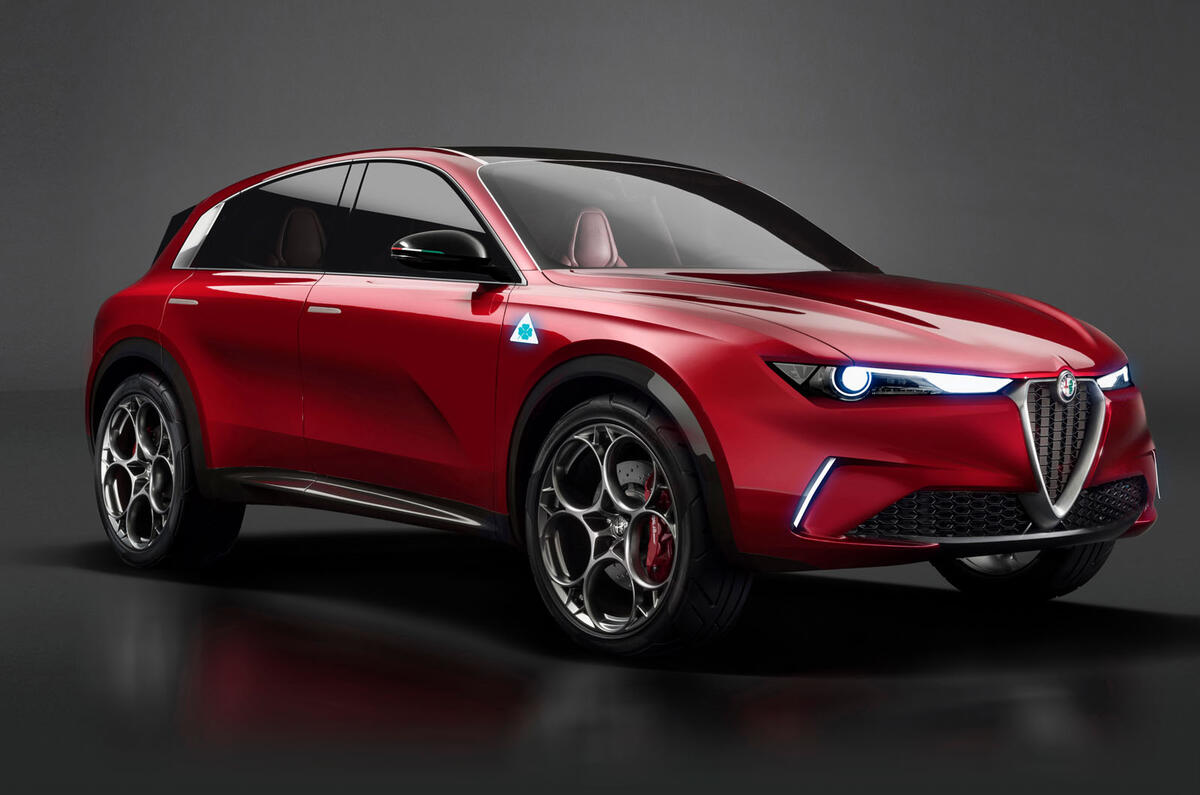
Despite these concerns, the Italian government remains steadfast, with support from environmental groups who applaud the decision as a step towards more sustainable and responsible automotive manufacturing practices. “Producing Alfa Romeo EVs in Italy not only supports local economies and workers but also reduces the environmental impact associated with long supply chains,” said Lucia Conti, a representative from the environmental advocacy group, Green Tomorrow.
As the policy prepares to take effect next fiscal year, all eyes will be on Italy and Alfa Romeo, watching how this ambitious endeavor will influence both the future of the iconic brand and the landscape of the global automotive industry.









