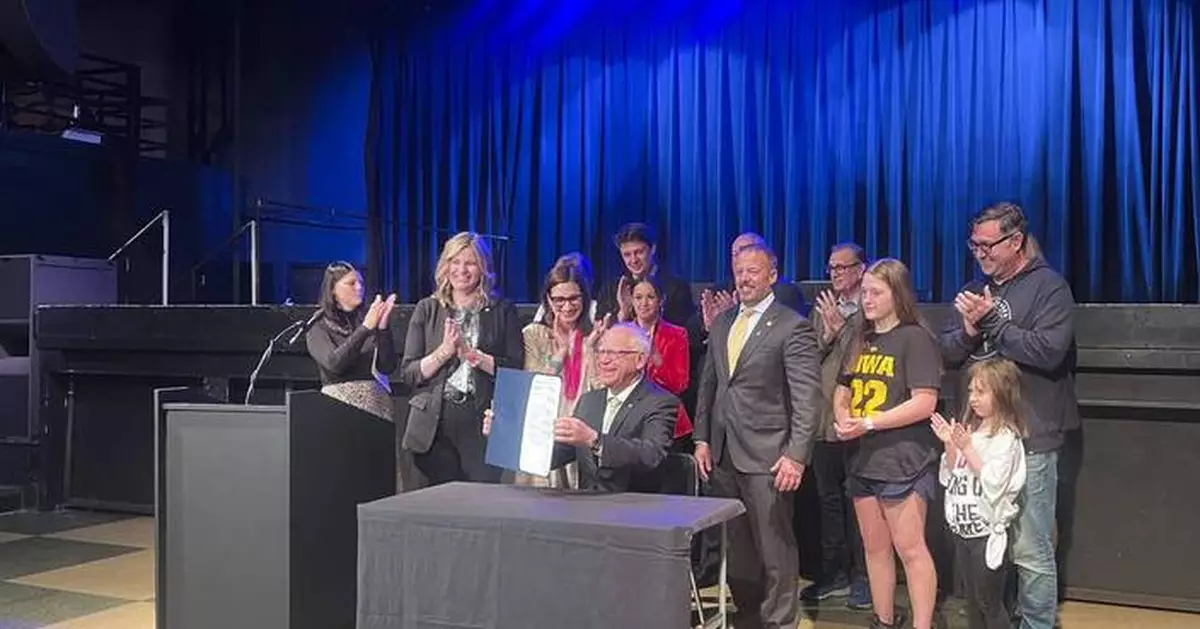
Minnesota has taken a significant step forward in protecting consumers who purchase tickets online with the signing of the “Taylor Swift Bill” into law. Named after the globally renowned pop star, the legislation aims to enhance transparency and accountability in the ticketing industry, particularly for events held in the state.
The bill, officially known as the “Online Ticket Sales Act,” introduces several key provisions designed to empower ticket buyers and address common concerns related to online ticket sales. Among its notable features are requirements for ticket sellers to disclose essential information upfront, including details about additional fees, ticket restrictions, and the face value of tickets.
State Representative Jamie Long, who championed the legislation, emphasized the importance of safeguarding consumers from deceptive practices and ensuring fairness in the ticketing marketplace. “With the proliferation of online ticket sales, it’s crucial that consumers have the information they need to make informed decisions and avoid being taken advantage of,” Long stated.
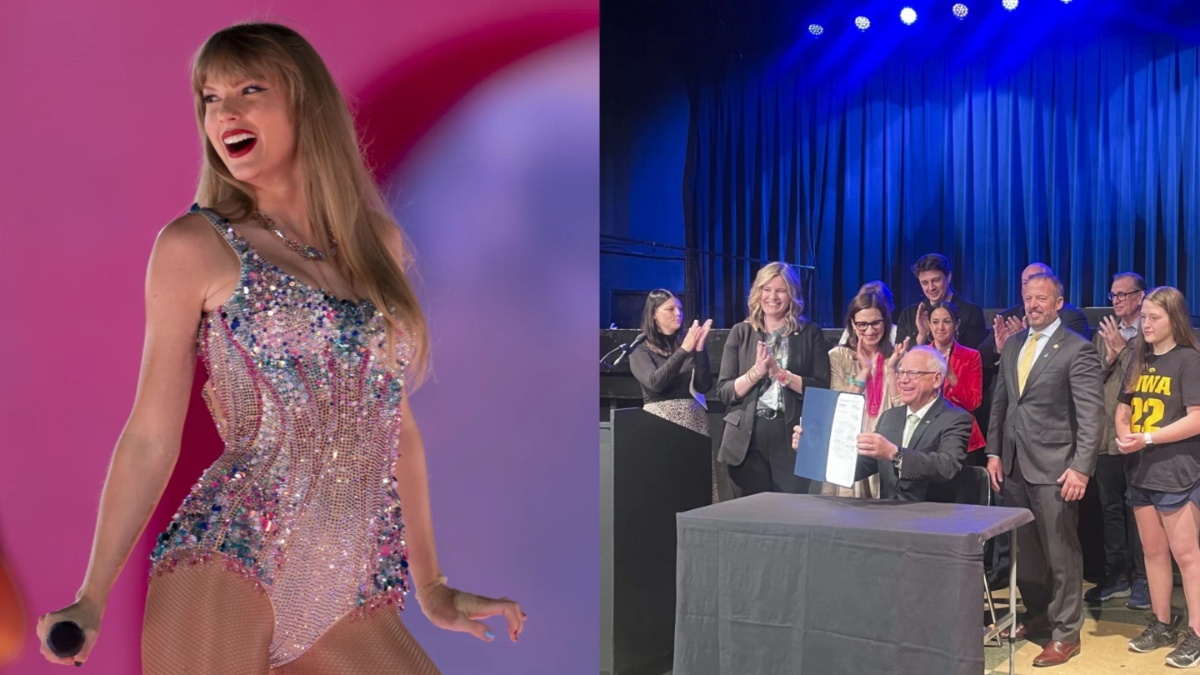)
One of the primary inspirations for the bill was Taylor Swift’s own advocacy on behalf of her fans. The pop icon has long been vocal about the issue of ticket scalping and has taken steps to make her concerts more accessible to genuine fans while thwarting scalpers and ticket bots.
In a statement, Taylor Swift expressed her support for the legislation, praising Minnesota lawmakers for taking proactive measures to protect consumers. “I’m grateful to see progress being made in the fight against ticket scalping and unfair practices in the ticketing industry,” Swift remarked. “Every fan deserves a fair chance to attend concerts and events without falling victim to inflated prices and hidden fees.”
The “Taylor Swift Bill” has received widespread acclaim from consumer advocacy groups and industry stakeholders alike. Supporters argue that the legislation sets a precedent for other states to follow and sends a clear message that deceptive practices in the ticketing industry will not be tolerated.
However, some critics have raised concerns about the potential impact of the new regulations on ticket sellers and event promoters. They argue that increased transparency requirements could lead to higher administrative costs and ultimately drive up ticket prices for consumers.
Nevertheless, proponents of the bill contend that the benefits of improved transparency and consumer protection far outweigh any potential drawbacks. As online ticket sales continue to grow in popularity, ensuring a level playing field for buyers and sellers alike is essential for maintaining trust and integrity in the marketplace.
With the “Taylor Swift Bill” now enshrined in Minnesota law, consumers can feel more confident when purchasing tickets online, knowing that they are afforded greater protections and transparency. As other states consider similar measures, the momentum for reform in the ticketing industry appears to be building, driven by a shared commitment to fairness and accountability.