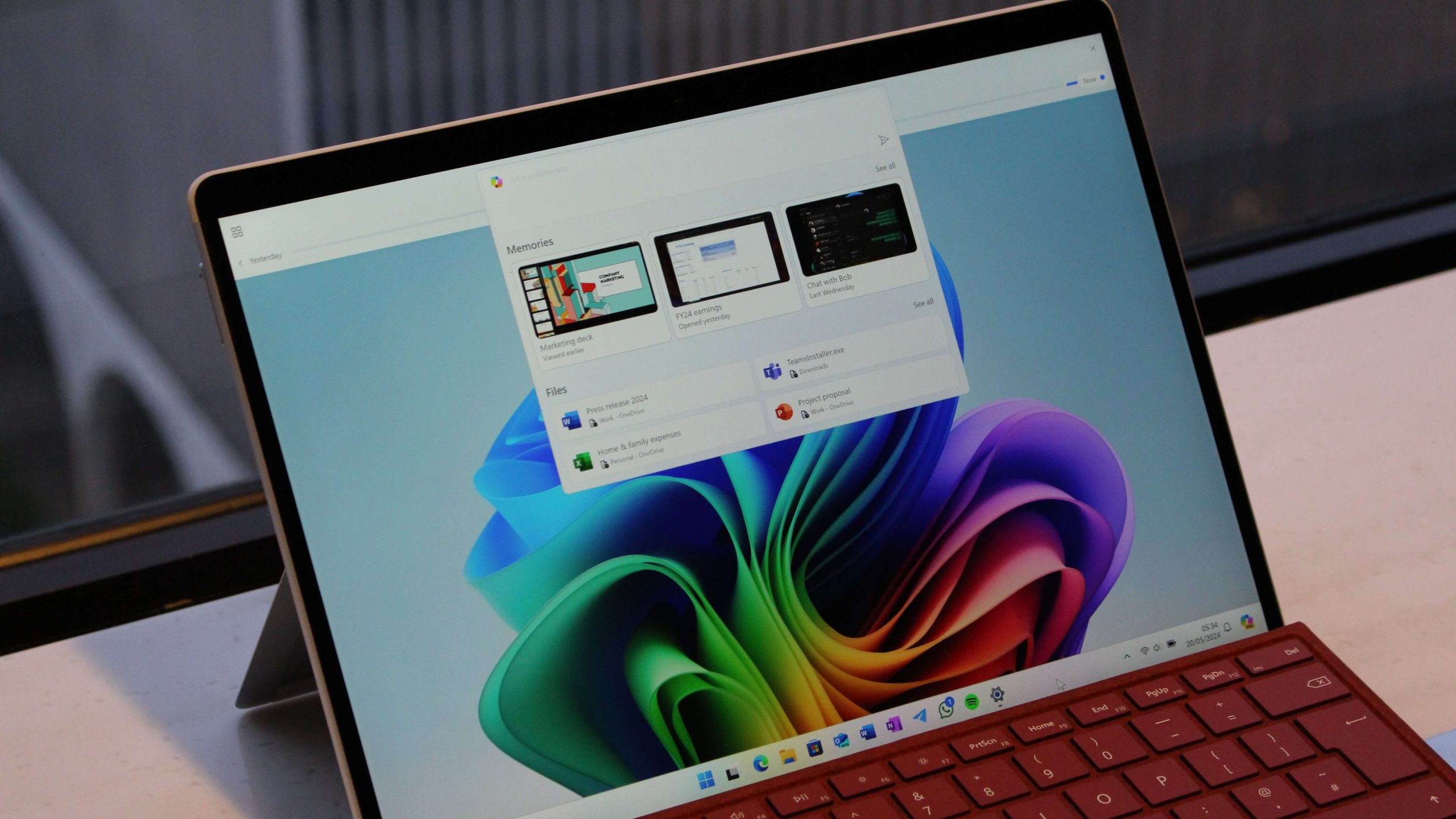
Recall, the popular productivity software, has unveiled its latest feature, ‘Screenray,’ designed to analyze the contents of users’ desktops in real-time. The announcement has sparked significant controversy, raising concerns over privacy and data security among users and industry experts alike.
The ‘Screenray’ feature aims to enhance productivity by providing contextual suggestions and automating tasks based on the analysis of open applications and documents. Recall’s CEO, Amanda Thompson, highlighted the potential benefits during the launch event, emphasizing the tool’s ability to streamline workflows and reduce time spent on repetitive tasks.
“Screenray represents a leap forward in personal productivity,” Thompson stated. “By understanding what’s on your screen, Recall can offer timely suggestions, automate routine processes, and ultimately help users focus on what matters most.”
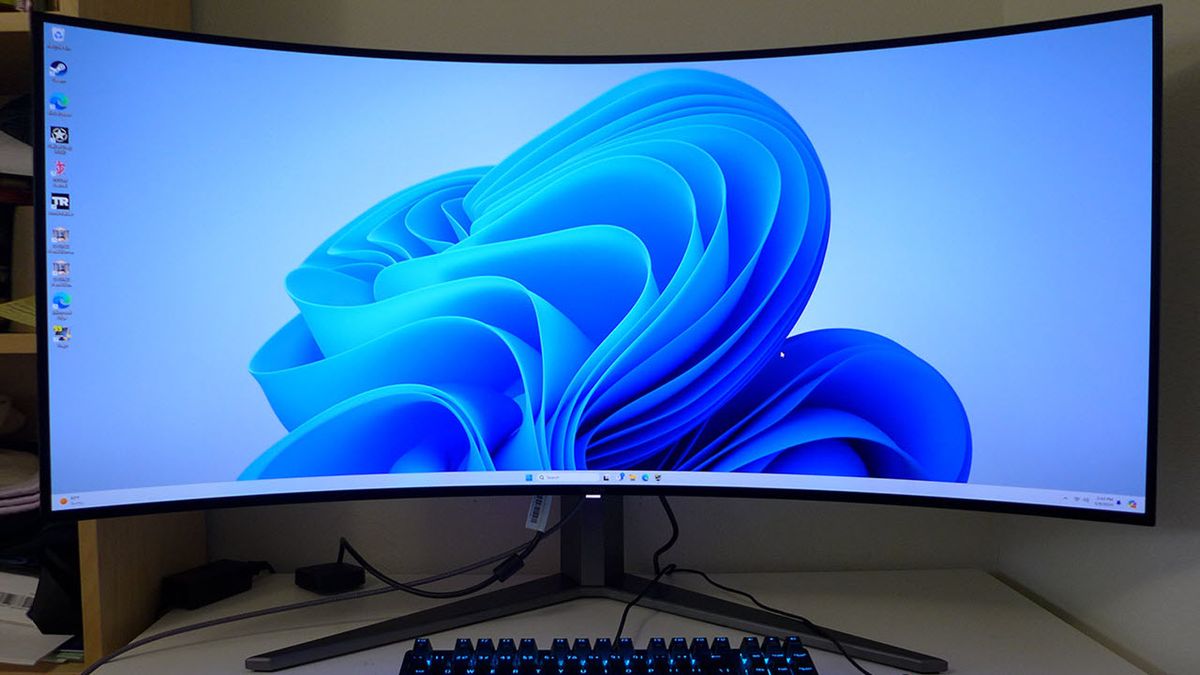
However, the introduction of ‘Screenray’ has not been without its critics. Privacy advocates and cybersecurity experts have voiced concerns about the implications of allowing software to continuously monitor desktop activities. The feature requires extensive access to users’ systems, leading to fears of potential data breaches and unauthorized access.
Evan Richards, a cybersecurity consultant, expressed his apprehensions: “Any tool that monitors real-time activity on a user’s desktop poses a significant privacy risk. The potential for misuse or exploitation by malicious actors is considerable, especially if the data is not adequately protected.”
Recall has attempted to address these concerns by assuring users that ‘Screenray’ operates with strict privacy safeguards. According to the company, all data analysis is performed locally on the user’s device, and no information is transmitted to external servers. Furthermore, users have the option to disable the feature or customize its settings to limit access to specific applications or types of data.
Despite these assurances, the rollout has been met with skepticism. Many users have taken to social media to express their reservations, with some questioning whether the productivity gains outweigh the potential privacy trade-offs.
Rebecca Martinez, a digital marketing professional, shared her thoughts on Twitter: “I love Recall for its productivity features, but the new ‘Screenray’ tool feels like it’s crossing a line. I’m not comfortable with any app having that much visibility into my work.”

In response to the backlash, Recall has initiated a public relations campaign to better explain the feature’s benefits and security measures. The company is also planning a series of webinars and Q&A sessions to address user concerns directly.
The controversy surrounding ‘Screenray’ highlights the broader debate over the balance between innovation and privacy in the tech industry. As software becomes increasingly integrated into daily workflows, the need for robust privacy protections becomes ever more critical.
Dr. Laura Chen, a professor of Information Technology at Stanford University, weighed in on the issue: “While tools like ‘Screenray’ offer exciting possibilities for enhancing productivity, it’s essential to ensure that user privacy is not compromised. Transparency and user control are key elements in maintaining trust.”
As Recall navigates this challenging landscape, the company remains optimistic about the future of ‘Screenray’ and its potential to transform how people work. Whether users will embrace the new feature or reject it over privacy concerns remains to be seen.
For now, the tech community is watching closely, awaiting further developments and user feedback as ‘Screenray’ becomes available to Recall’s global user base.