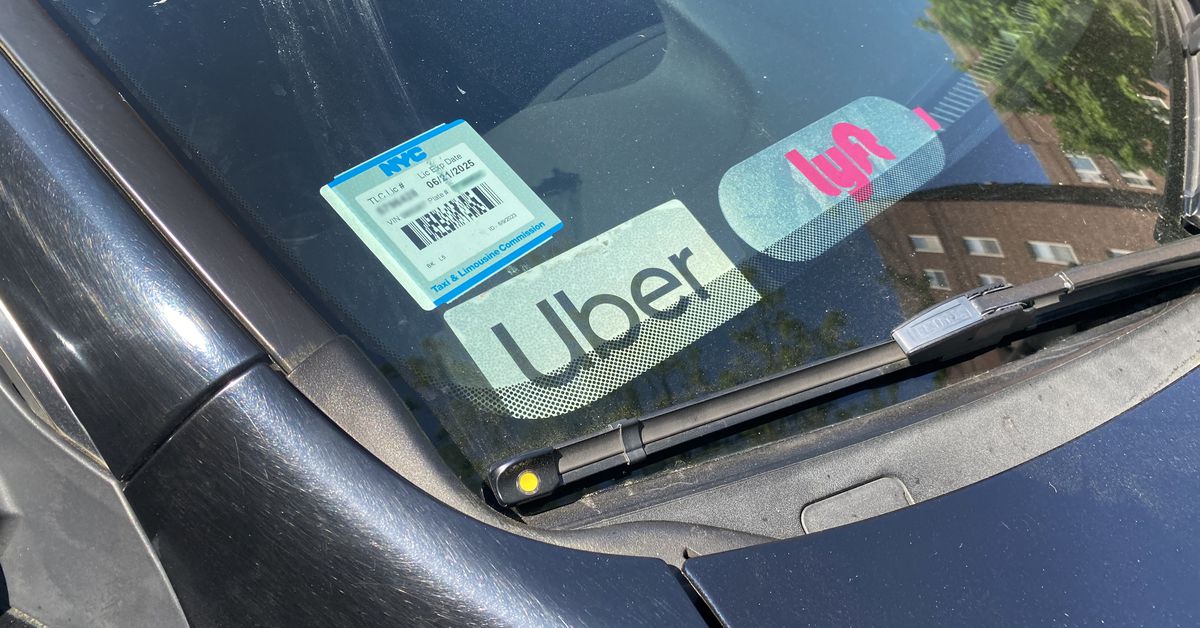
In a landmark decision, Massachusetts has mandated that rideshare companies Uber and Lyft pay their drivers a minimum of $32 per hour. This new regulation, which comes into effect immediately, represents a significant victory for labor advocates and is expected to have wide-ranging implications for the gig economy across the United States.
The Massachusetts Supreme Judicial Court ruled in favor of the new wage requirement, following a prolonged legal battle between the state and the rideshare giants. The decision aims to address longstanding concerns about the financial well-being and job security of rideshare drivers, who have traditionally been classified as independent contractors rather than employees.

“This ruling ensures that our drivers receive fair compensation for their hard work,” said Governor Maura Healey. “It’s a critical step towards providing economic stability for thousands of workers in our state.”
For rideshare drivers in Massachusetts, the ruling is a welcome change. Many have struggled with low pay and unpredictable income, often finding it difficult to cover expenses such as vehicle maintenance, insurance, and fuel.
“I’ve been driving for Uber for over three years, and it’s been tough to make ends meet,” said Maria Gonzalez, a Boston-based driver. “This new pay rate means I can finally start saving for my future and take better care of my family.”
Challenges for Uber and Lyft
The new wage requirement poses significant challenges for Uber and Lyft, which have long relied on a flexible, low-cost labor model. The companies have argued that reclassifying drivers as employees and implementing a high minimum wage could lead to increased fares for customers and reduced flexibility for drivers.
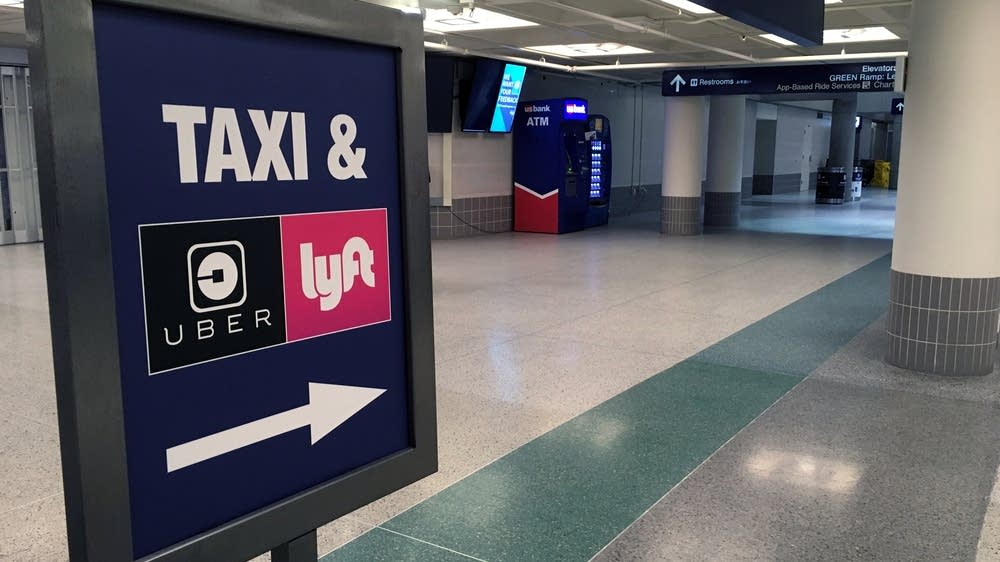
In a joint statement, Uber and Lyft expressed their disappointment with the ruling. “While we respect the court’s decision, we believe it will have unintended consequences for riders and drivers alike. We are committed to finding solutions that balance fair compensation with the flexibility that drivers value.”
The Massachusetts ruling is likely to set a precedent for other states considering similar measures. Labor advocates see it as a crucial step towards redefining the gig economy and ensuring fair treatment for workers.
“Massachusetts is leading the way in protecting gig workers,” said John Smith, president of the Gig Workers’ Union. “This decision could pave the way for similar reforms nationwide, ensuring that all rideshare drivers receive fair pay and benefits.”
While the new pay rate is a win for drivers, it also raises questions about the economic impact on the rideshare industry and its customers. Experts predict that the increased labor costs could lead to higher prices for rideshare services, potentially reducing demand.
“There’s no doubt that this decision will have economic ripple effects,” said Dr. Laura Green, an economist at Harvard University. “The key will be finding a balance that supports fair wages while maintaining the viability of the rideshare model.”
As Massachusetts rideshare drivers prepare for the new pay structure, the focus will be on how Uber and Lyft adapt to the changes. Both companies have indicated they will explore options to mitigate the impact, including potential technological innovations and operational adjustments.
For now, the ruling marks a significant shift in the gig economy landscape, underscoring the growing movement towards better pay and protections for gig workers. As other states watch closely, the Massachusetts decision could be the catalyst for broader change across the nation.