


In an unexpected twist in the 2024 U.S. presidential race, Chinese social media has seen a surge of support for former President Donald Trump following Vice President Kamala Harris’s announcement to enter the race. The development has sparked a wave of discussions and memes across Chinese platforms such as Weibo and WeChat, reflecting complex perceptions of U.S. politics among Chinese netizens.
Vice President Kamala Harris’s decision to run for president has reshaped the landscape of the 2024 election. As the first female vice president of African and South Asian descent, her candidacy brings a historic dimension to the race. However, the announcement has also intensified political debates both within the United States and internationally.

Despite Trump’s contentious policies toward China during his presidency, including the trade war and stringent measures against Chinese tech companies, his reemergence as a candidate has struck a chord with many Chinese social media users. Several factors contribute to this phenomenon:
Many Chinese netizens view Trump as a strong and predictable leader. They believe his straightforward approach, despite being controversial, provided a clearer framework for China-U.S. relations compared to the perceived ambiguity of current policies.
Trump’s flamboyant and often provocative style has made him a source of entertainment. Memes and satirical posts about his personality and actions have become viral content, with some users expressing nostalgia for the dramatic and headline-grabbing Trump era.
Some Chinese social media users express skepticism about the current U.S. administration’s policies and effectiveness. Harris’s entry into the race is seen by some as an extension of the current administration, leading to a preference for Trump as an alternative.
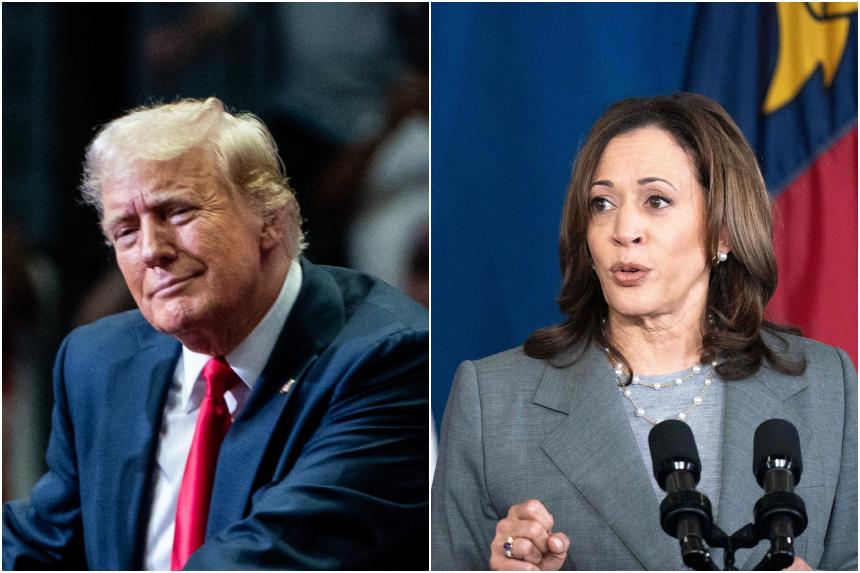
The reactions on Chinese social media platforms have been varied, but a few themes stand out:
- Memes and Humor:
A flood of memes featuring Trump has overtaken Weibo and WeChat, with users playfully speculating on his potential return to the White House and the ensuing geopolitical drama.
- Debates and Discussions:
Serious discussions about the implications of Harris’s candidacy and Trump’s possible return are also prevalent. Users debate the impact on China-U.S. relations, global trade, and international stability.
- Historical Context:
Some users draw historical parallels, comparing Trump’s policies to those of past leaders and examining how these approaches affected China. This historical perspective adds depth to the online discourse.
Political and Social Implications
- Impact on China-U.S. Relations:
The online support for Trump does not necessarily reflect official Chinese sentiment but highlights the complexities of public opinion in China regarding U.S. politics. The evolving dynamics of this support could influence how Chinese leaders navigate their strategies with the U.S.
- Perception of U.S. Democracy:
The robust debate on Chinese social media underscores the global interest in the U.S. democratic process. The engagement indicates a keen awareness of how U.S. elections can shape international relations and global policies.
- Cultural Exchange:
The humorous and satirical content surrounding Trump’s candidacy serves as a form of cultural exchange, showcasing how political figures are perceived and reinterpreted across different cultures.
As the 2024 U.S. presidential race heats up, the unexpected embrace of Trump by Chinese social media users adds an intriguing layer to the political landscape. The reactions from Chinese netizens, ranging from humorous to serious, highlight the multifaceted nature of global perceptions of U.S. politics. As Harris and Trump vie for the presidency, the world watches closely, aware that the outcome will have far-reaching implications.









