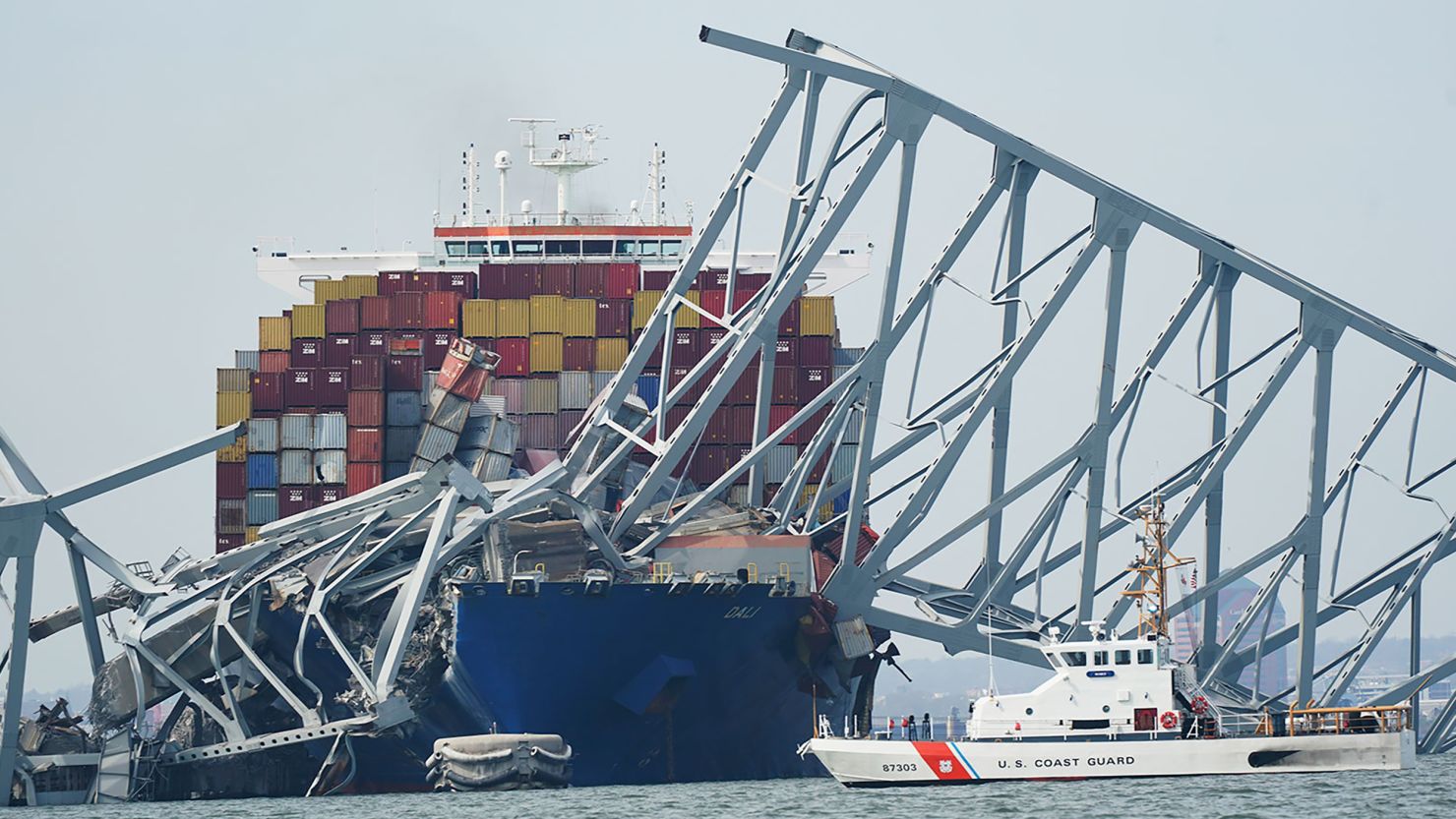
A startling new report reveals that nearly a quarter of America’s bridges are at risk of collapsing within the next 26 years, highlighting a crisis that experts have been warning about for decades. The findings, released by the National Infrastructure Safety Board (NISB), underscore a deteriorating state of the nation’s infrastructure that demands immediate attention and action.
Unveiling the Crisis
The NISB’s report paints a grim picture: 24% of bridges across the United States are categorized as structurally deficient or functionally obsolete. These structures, many of which were built in the mid-20th century, are rapidly approaching the end of their functional lifespan. Without substantial intervention, these bridges could become hazardous to millions of commuters and freight operators who rely on them daily.
A Long-Anticipated Warning
This alarming forecast is not a sudden revelation but rather the culmination of years of warnings from engineers, urban planners, and infrastructure experts. “We’ve seen this coming for a long time,” says Dr. Emily Carter, a senior engineer at the American Society of Civil Engineers (ASCE). “Our infrastructure has been aging, and we’ve been advocating for increased funding and maintenance. Unfortunately, the necessary actions have not kept pace with the growing needs.”

The Impact of Neglected Infrastructure
The consequences of failing to address this issue could be catastrophic. A bridge collapse could result in tragic loss of life, severe disruptions to transportation networks, and significant economic repercussions. The collapse of the I-35W Mississippi River bridge in Minneapolis in 2007, which killed 13 people, serves as a stark reminder of the potential dangers of neglecting infrastructure maintenance.
Funding and Maintenance Challenges
One of the central issues identified in the report is the chronic underfunding of infrastructure maintenance and upgrades. The Federal Highway Administration (FHWA) has estimated that an additional $80 billion annually is needed to bring the nation’s bridges up to a state of good repair. However, budget constraints and competing priorities have hindered progress.
“Maintaining and upgrading our infrastructure is a challenge,” admits Secretary of Transportation Maria Gonzales. “We’re working on securing additional funding and implementing innovative solutions, but the scale of the problem is immense.”
Calls for Action
In response to the report, policymakers and advocacy groups are calling for immediate action. The ASCE has renewed its push for a comprehensive infrastructure investment plan, emphasizing the need for both federal and state-level commitments to bridge repair and replacement.
“Investing in our bridges is not just about safety; it’s about ensuring our economic vitality and quality of life,” says ASCE President John Roberts. “We need a national strategy that prioritizes infrastructure and addresses this growing crisis.”

Looking Forward
While the report outlines a dire future, there is hope that proactive measures can mitigate the risk. Advances in engineering technology, increased public awareness, and renewed political will could help reverse the trend of declining infrastructure.
As the nation grapples with this urgent challenge, the call to action is clear: America must prioritize its infrastructure, not only to prevent disaster but to ensure a safe, reliable transportation network for future generations. The message is unequivocal: We cannot afford to ignore the warnings any longer.
About the National Infrastructure Safety Board (NISB)
The National Infrastructure Safety Board is an independent federal agency dedicated to assessing and improving the safety of the United States’ infrastructure. Its mission is to provide accurate, timely assessments of infrastructure conditions and advocate for policies that enhance public safety and reliability.