In a historic move, OpenAI, a frontrunner in artificial intelligence research, has revealed plans for a significant overhaul of its governance structure. The board of directors has voted to transition away from its non-profit status, embracing a profit-oriented model. This change coincides with the decision to provide CEO Sam Altman with equity in the company, signaling a shift in priorities as OpenAI aims to remain competitive in the rapidly expanding AI sector.
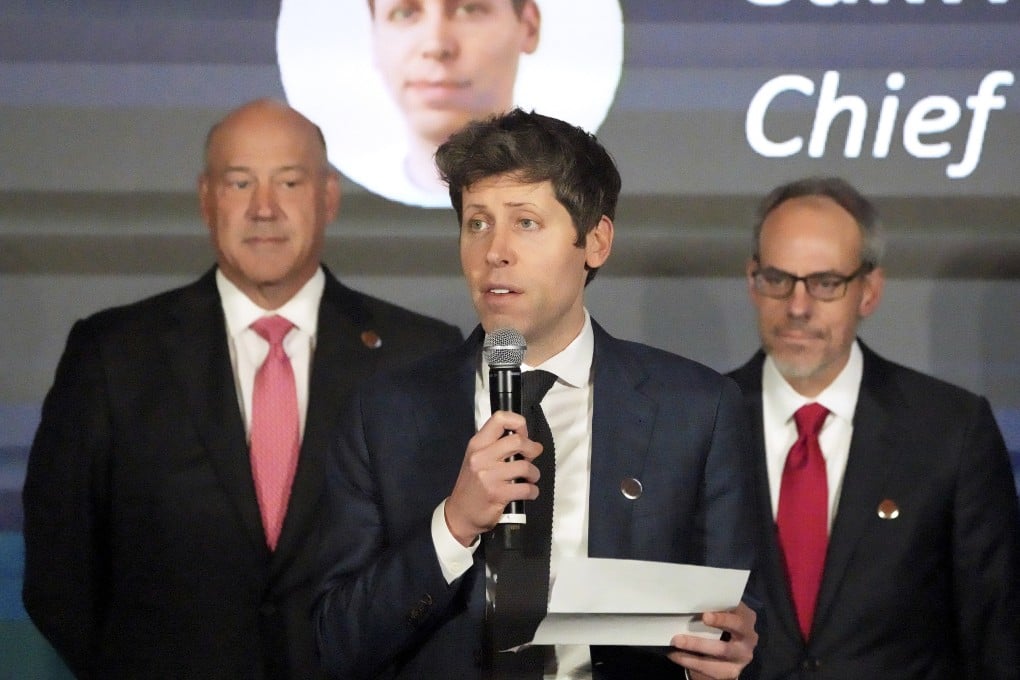
The board highlighted the necessity for enhanced agility and resources to foster innovation in the fast-paced field of artificial intelligence. “To move forward, it’s vital that we align our financial incentives with our mission, ensuring OpenAI leads in AI research and deployment,” Altman stated at a press conference following the announcement.
Founded in 2015 as a non-profit with the goal of ensuring that artificial general intelligence (AGI) serves all of humanity, OpenAI has achieved significant milestones in AI research, particularly with its GPT models, which have revolutionized sectors such as healthcare, finance, and entertainment. However, with rising competition, the board believes a profit-driven structure will provide the necessary flexibility and resources to further advance their initiatives.
Critics are voicing concerns that this shift could jeopardize OpenAI’s foundational mission. “There’s a genuine risk that placing profit above public interest may lead to the misuse of AI technologies,” warned ethics researcher Dr. Lena Morgan. “It’s essential that OpenAI remains accountable to its core values.”

Supporters of the decision argue that granting equity to Altman and focusing on profit will attract more investments and talent, ultimately fostering greater innovation. “This is an exciting phase for OpenAI,” said tech investor Raj Patel. “Sam Altman is a visionary leader, and aligning his interests with the company’s success is a strategic move.”
The restructuring process is expected to unfold over the coming months, with the board planning to outline a comprehensive strategy for this transition while addressing the ethical ramifications of profit-focused AI development. Stakeholders, including researchers, employees, and investors, will have the opportunity to contribute their perspectives as OpenAI navigates this critical change.
As the AI landscape continues to shift, attention will be focused on how this new direction affects OpenAI’s research, collaborations, and commitment to ethical AI practices. The organization’s future—and the broader implications of its technology—hangs in the balance as it embarks on this ambitious new chapter.