In a surprising turn of events, cybersecurity experts are advising that the conventional wisdom around creating complex passwords may actually do more harm than good. A growing body of research suggests that overly complicated passwords can lead to decreased security and increased vulnerability to cyber attacks.
Historically, users have been encouraged to create passwords that include a mix of uppercase and lowercase letters, numbers, and special characters, often resulting in long, unwieldy strings. However, recent studies indicate that this approach can lead to a false sense of security, making users less likely to implement additional protective measures.
“People often rely on complexity as a primary defense, but that can lead to poor password practices, like writing them down or using the same complicated password across multiple accounts,” said Dr. Emily Chen, a leading cybersecurity researcher at the National Cybersecurity Institute. “In reality, password strength is not just about complexity; it’s also about uniqueness and manageability.”
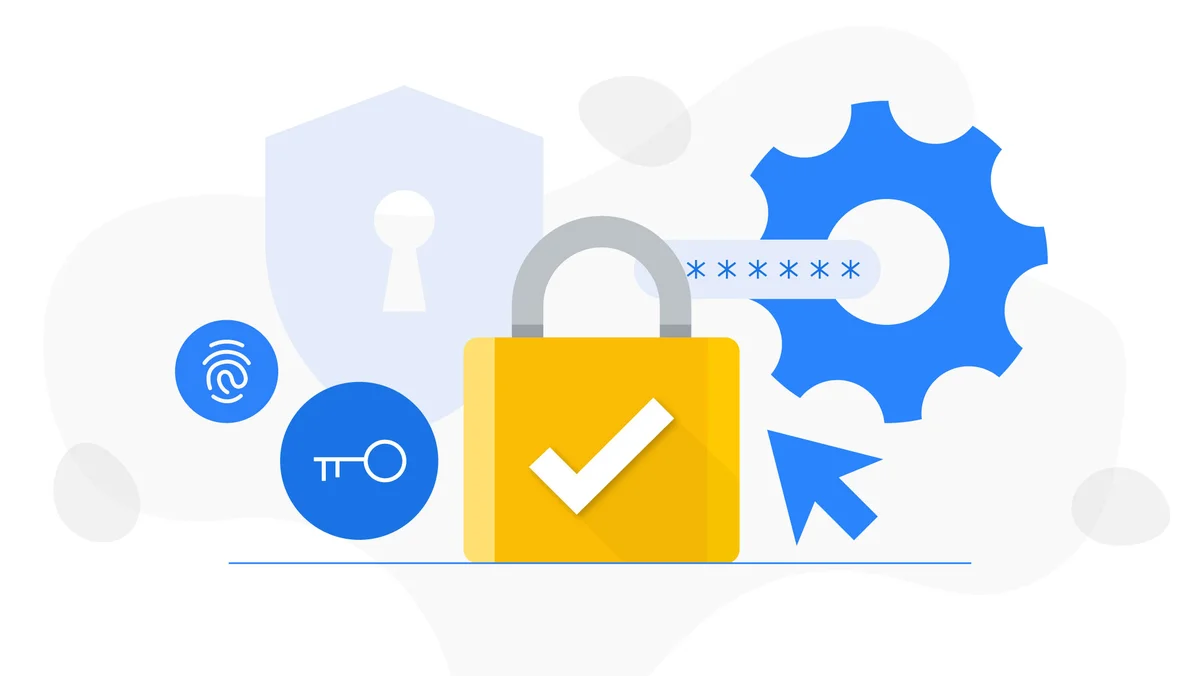
Research has shown that simpler, memorable passwords that are used alongside two-factor authentication (2FA) can provide a much stronger defense against cyber threats. The experts emphasize that using password managers to store unique passwords can alleviate the burden of remembering multiple logins while ensuring robust security.
Moreover, the tendency for users to forget complex passwords often results in a reliance on password recovery options, which are vulnerable to phishing attacks. Attackers can exploit these vulnerabilities to gain access to sensitive information more easily than if users had employed simpler passwords with effective security measures.
In light of these findings, some organizations are reevaluating their password policies. Tech companies like Google and Microsoft are already advocating for password-less authentication methods, such as biometric verification and security keys, which offer a more secure alternative without the complexities of traditional password systems.
“The landscape of cybersecurity is evolving, and it’s crucial that we adapt our strategies accordingly,” said Kevin Martinez, Chief Information Security Officer at a leading technology firm. “Simplifying password practices while encouraging other forms of authentication can significantly enhance overall security.”

As discussions around this paradigm shift continue, experts urge individuals and organizations to prioritize security education and awareness. They recommend regular audits of password practices and the implementation of comprehensive security measures beyond just passwords.
As the threat landscape grows ever more sophisticated, the debate over the efficacy of complicated passwords raises important questions about how best to protect personal and organizational data in an increasingly digital world.